
Last updated November 23, 2026
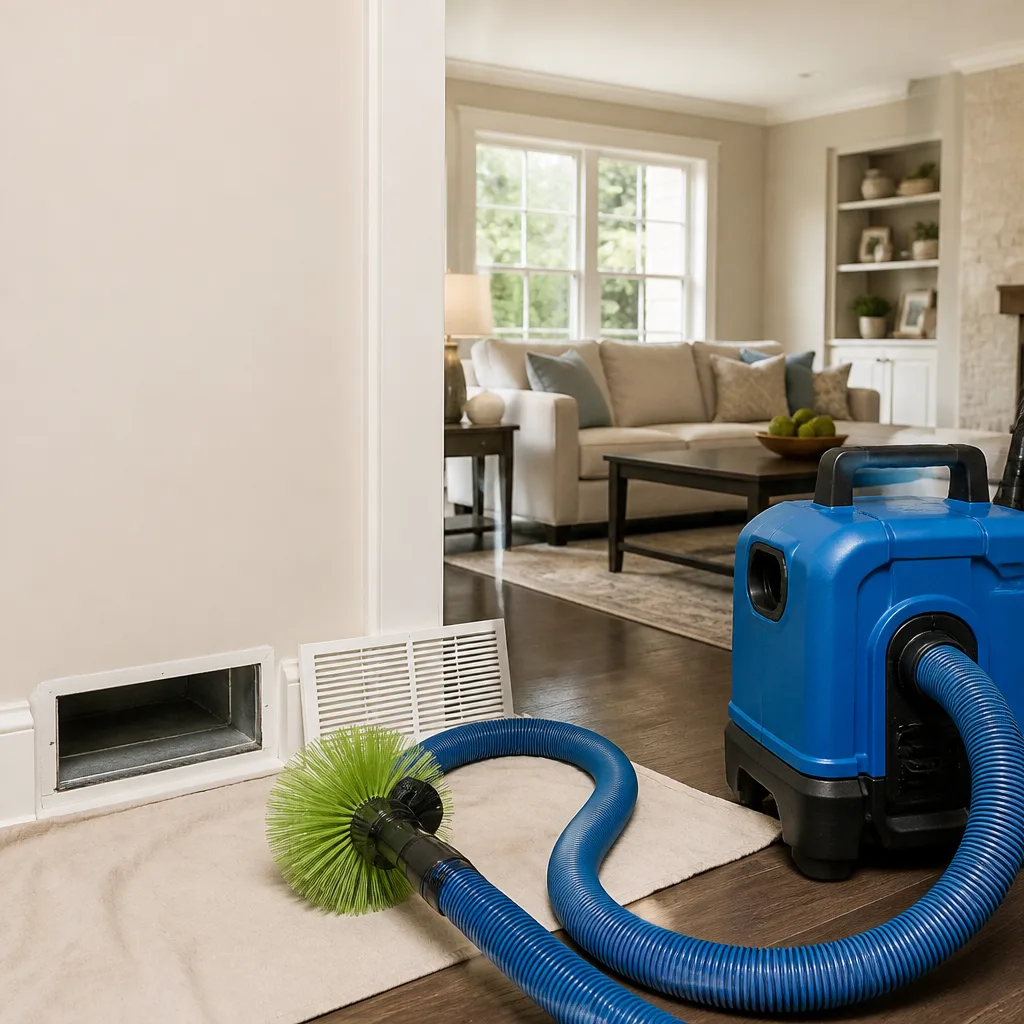 Whole-home duct cleaning
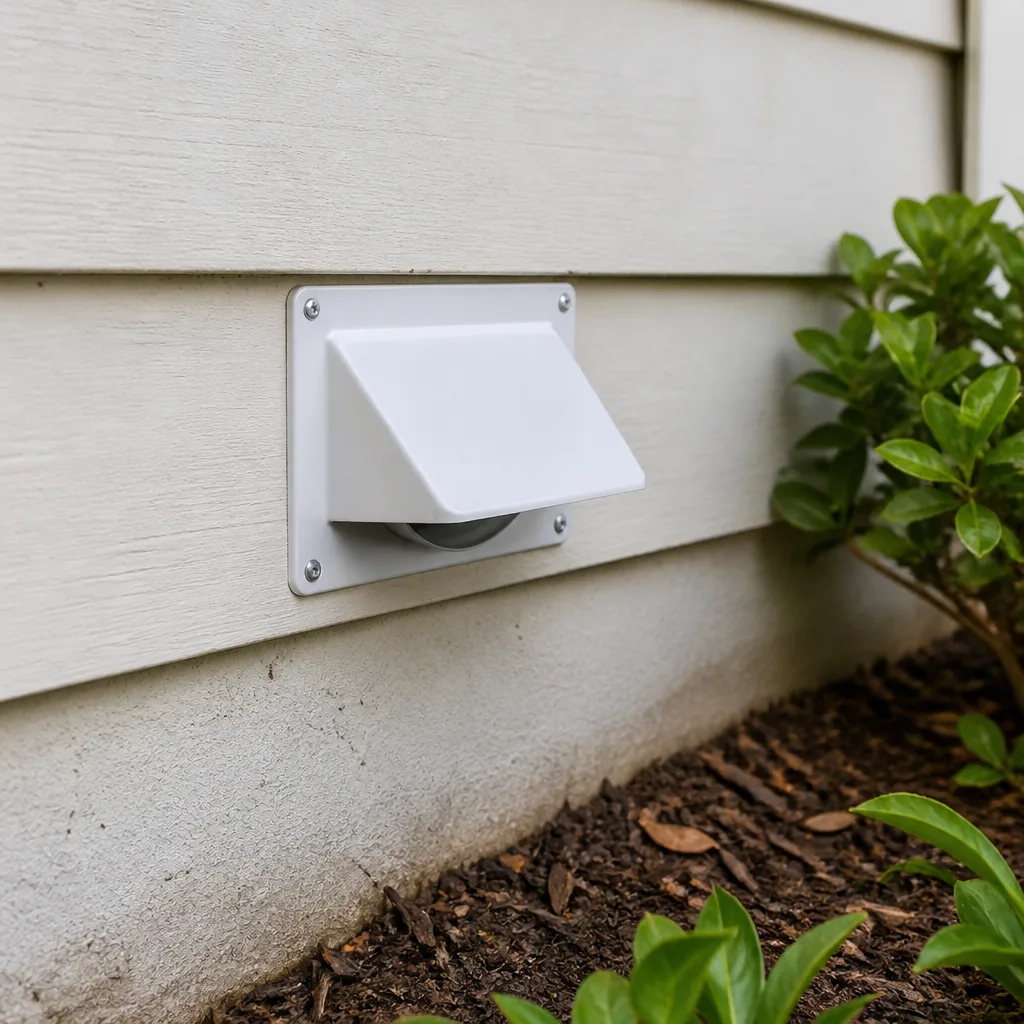 Dryer vent cleaning
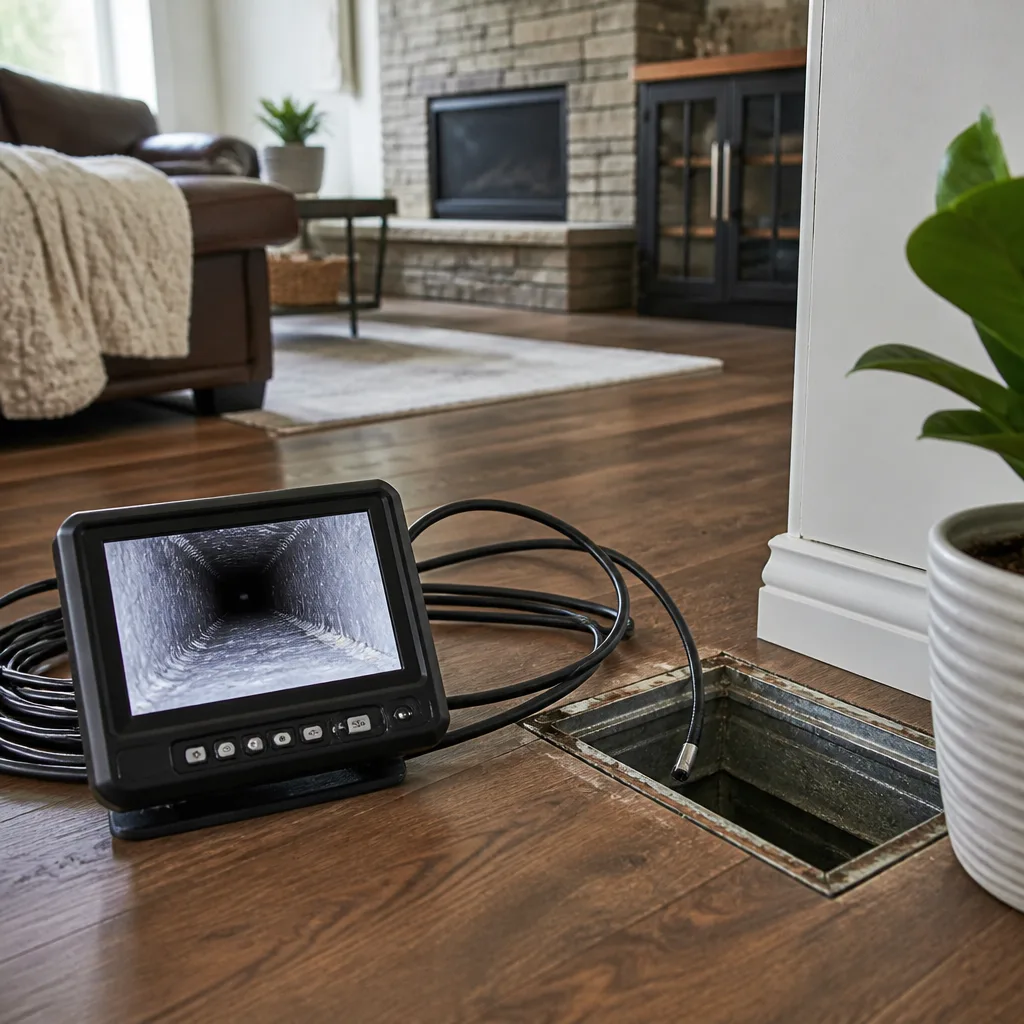 Camera inspection
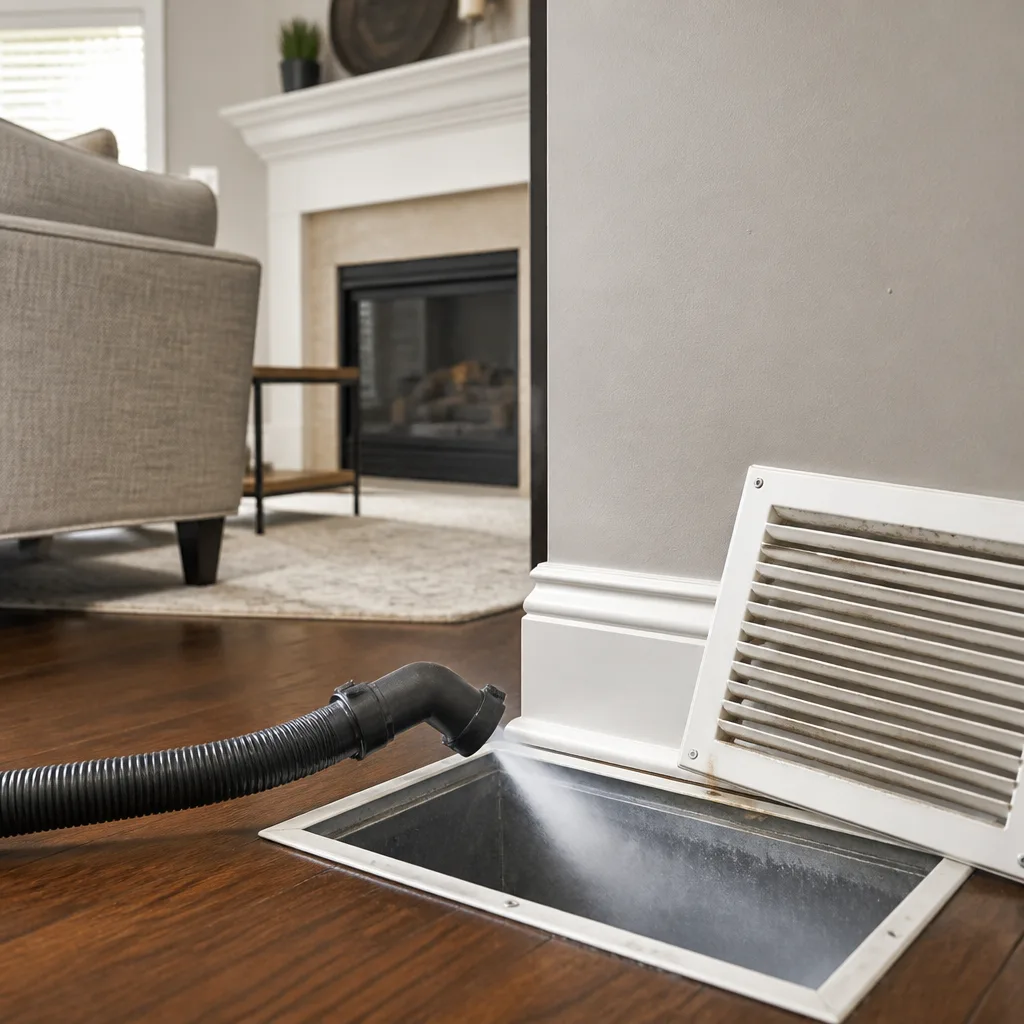 Sanitizing & deodorizing
Whole-system duct and dryer vent check with before-and-after photos - you see exactly what came out of your vents
That "$99 whole-house special" is a bait ad - the real number appears once they are in your hallway, or the "clean" is a shop-vac at the register. We photograph the inside of your ducts before and after instead.
Air Duct Cleaning Troubleshooting in Highlands: Common Problems and How to Fix Them
If your ducts were cleaned six months ago and dust is already coating your vents again, the problem isn’t your cleaning frequency. It’s likely a breach in the return duct pulling unconditioned air, and whatever’s in it, directly into your system. Homeowners in Highlands, CO often spend money on repeat cleanings when the real issue is a mechanical failure somewhere in the duct run. This guide is about reading your system’s signals correctly: what a soft airflow at one register means, why a musty smell survives a cleaning, and when an uneven room points to a balancing problem instead of dirty ductwork. We’ll walk through the diagnostic sequence technicians actually use, with the Highlands climate and housing stock in mind.
Quick Answer
Most persistent duct complaints in Highlands after a cleaning trace back to one of four things: a breach or disconnected joint in the return duct, biological growth in the air handler or on the evaporator coil, a damper or balancing issue, or a prior cleaning done with equipment too weak to move caked debris. A technician confirms which one by checking airflow at each register, inspecting the main trunk access point, and looking at the air handler itself. Cleaning again before diagnosing usually wastes money.
Styles & brands we work with
- Whole-home duct cleaning
- Dryer vent cleaning
- Camera inspection
- Sanitizing & deodorizing
Table of Contents
- Dirty Ducts vs. Duct Integrity Problems: How to Tell Them Apart
- What Persistent Musty Odor After Cleaning Actually Means
- Why Some Rooms Stay Cold or Warm After a Cleaning
- How to Tell If a Previous Cleaning Was Done With Inadequate Equipment
- Why Highlands’ High-Altitude, Dry Climate Changes the Diagnosis
- When You Need an IAQ Specialist vs. a Standard HVAC Technician
- A Step-by-Step Troubleshooting Sequence You Can Run Yourself
- Preventing the Same Problems From Coming Back
Dirty Ducts vs. Duct Integrity Problems: How to Tell Them Apart
A dirty duct problem and a duct integrity problem look similar from inside the house, but they call for completely different fixes. Dirty ducts respond to cleaning. Integrity problems, meaning a breach, a disconnected joint, or a collapsed section of flex duct, will keep dumping dust into your supply air no matter how many times you clean. Highlands homes with long flex runs in unconditioned attic space are especially prone to joints that pull apart as temperatures swing through the seasons.
You can start sorting this out yourself with two simple checks:
- Feel the airflow at each supply register with your hand, one room at a time. A register that blows noticeably weaker than the others suggests a leak, a closed damper, or a crushed section of duct feeding that branch.
- Look at the register boot and the visible duct behind the grille with a flashlight. You’re checking for gaps at the boot, torn flex duct insulation, or duct tape that has dried and separated.
What you’re feeling for is consistency. If every register blows about the same and the air is simply dusty, that’s a cleaning problem. If one or two rooms are weaker or the dust is concentrated at specific vents, that points to a breach. A collapsed flex duct, common in older attic runs around Highlands, will show up as near-zero airflow at the affected register. That’s a repair, not a cleaning. Our air duct cleaning service includes an inspection before any equipment goes in, because cleaning a system with a known breach just redistributes the problem.
What Persistent Musty Odor After Cleaning Actually Means
If a musty smell comes back within weeks of a duct cleaning, the ducts were probably never the source. The usual culprit is biological growth in the air handler cabinet, on the evaporator coil, or in the condensate drain pan. The ducts are only carrying the smell from that source into every room. Cleaning the ducts alone does nothing to fix it.
Here’s what that means practically:
- The smell is strongest right after the system starts, or in the first few minutes of a cooling cycle. That pattern points to the coil or the wet surfaces inside the air handler.
- The smell is uniform across every room rather than concentrated near one register. A localized smell suggests a specific section of duct or a dead animal in a wall cavity.
- The smell is worse on humid days or after rain, which points to a moisture source that never dried out. Highlands stays dry through most of the year, but summer monsoon moisture and a dirty condensate pan can create enough dampness for growth to take hold.
The fix is a combination of mechanical cleaning of the air handler and coil, followed by sanitizing. We use professional filtration equipment from Abatement Technologies during the work to capture dislodged material instead of recirculating it through the house. For the sanitizing step we work with Guardsman-backed treatment options that address the surfaces biologically, not just the smell. If you’ve had a cleaning and the musty odor returned, the answer usually isn’t another cleaning. It’s an inspection of the air handler and coil, and it’s worth having that done before you spend money on anything else. Our HVAC cleaning service covers the mechanical side of that inspection.
Why Some Rooms Stay Cold or Warm After a Cleaning
Uneven room temperatures after a duct cleaning almost always point to a damper or balancing problem, not incomplete cleaning. Duct cleaning removes debris from the inside of the duct walls; it doesn’t change how much air each branch receives. If the room was cold before the cleaning, it’ll be cold after, unless something in the distribution system changes.
The common causes of uneven temperatures we see in Highlands homes:
- A closed or partly closed damper in a branch duct. Dampers get adjusted for one season and forgotten. A summer setup that sends more cool air to the main living space leaves bedrooms short on airflow.
- A balancing problem, where the system wasn’t set up correctly to begin with. Short duct runs near the air handler get more air than long runs at the far end of the house, unless the installer tuned the dampers.
- A crushed or kinked flex duct in the attic or crawlspace, restricting airflow to one room. This is an integrity issue, not a cleaning issue.
- A register that’s been painted shut or had its vanes bent, cutting down the open area. It looks open but isn’t.
The way to sort it out is to measure airflow at each register, then trace the branch feeding the problem room. If the branch is clear and the damper is open, the issue is upstream in the trunk. What we don’t do is re-clean a system that isn’t dirty to make a temperature problem go away. That’s the kind of shortcut that produces the “we cleaned it twice and nothing changed” calls we get from homeowners around Highlands. When the branch is clear but the trunk has a leak, the repair is sealing, and our duct repair work is built around fixing what the inspection turns up.
How to Tell If a Previous Cleaning Was Done With Inadequate Equipment
The clearest sign of an inadequate prior cleaning is residual debris at the main trunk line access point. That’s the spot where the technician cuts into the trunk to run the vacuum and agitation tools. If you can look in and see caked dust, construction debris, or a coating on the trunk walls, the previous job didn’t reach the main ductwork. It may have run a shop vac over the registers and stopped there.
A proper cleaning leaves the trunk visibly clear, and you should be able to ask the technician to show you before and after photos of the access point for your own home. We take those photos on every job, and they belong to you. When you’re evaluating a prior cleaning, look for:
- A single small access hole at the trunk with rough edges and no proper cap. That suggests a quick job with a small vacuum hose.
- Visible dust still attached to the duct walls near the access, which means the equipment didn’t have enough suction or agitation to remove it.
- No evidence of branch duct access. A thorough job usually requires access at multiple points, not just the main trunk.
- Dust still settling on horizontal surfaces a few weeks after a cleaning. That points to a breach that the prior cleaning never addressed, or that wasn’t noticed.
Professional equipment matters here. Rotobrush systems agitate and vacuum simultaneously, which is what actually breaks loose caked debris from duct walls. Nikro air movers and HEPA vacuums run at commercial duty cycles and hold up to a full house, not just a light pass. A shop vac can’t do any of that. If a previous cleaner’s equipment wasn’t up to the job, a proper cleaning with the right gear usually resolves the complaint. Our air duct cleaning in Highlands service is built around that equipment distinction, and we’ll tell you honestly if a repeat cleaning won’t fix what you’re describing.
Why Highlands’ High-Altitude, Dry Climate Changes the Diagnosis
Highlands sits high enough that the air is thinner and drier than in most Front Range towns, and that shifts how duct problems show up. Lower air density means your blower moves less mass of air per cubic foot, so a marginal duct leak that would barely matter at lower elevation can leave a room noticeably short on airflow here. Small breaches compound faster. That’s why we push Highlands homeowners toward fixing a leak instead of working around it.
The dry air also changes what you should expect from moisture-related problems:
- Musty odors are less common from outdoor humidity and more often tied to indoor moisture sources: a condensate pan, an evaporator coil that isn’t draining well, or a humidifier that’s pushed humidity up inside the home.
- Flex duct insulation dries out and cracks over time, exposing the inner duct to attic heat and cold. In Highlands’ temperature swings, that cracking is a common source of leaks.
- Static and dust cling in very dry air, which can make a dust problem look worse than it is and cause homeowners to over-clean. Some of what you see on vents in January is normal dry-climate dust, not duct failure.
- Wintertime dryness makes whole-home humidification more valuable here than in lower towns, which is where products like Honeywell and Aprilaire come in after the cleaning and repair work is done, so the system stays balanced.
The practical takeaway: in Highlands, a marginal duct breach does more damage than it would elsewhere, and moisture complaints point indoors more than outdoors. Diagnose accordingly.
When You Need an IAQ Specialist vs. a Standard HVAC Technician
Not every duct problem needs the same person. A standard HVAC technician handles the mechanical system: the furnace, the air conditioner, the blower, gas lines, and refrigerant. An indoor air quality specialist handles what the air passes through on its way to and from the equipment, plus the contaminants the system is carrying. Knowing which one to call saves time and money, and it prevents the classic situation where an HVAC tech shows up for an airflow complaint and finds the problem was never in the equipment.
Call a standard HVAC technician when:
- The system won’t heat or cool at all, or it’s short-cycling.
- You smell gas, or a gas appliance won’t light. Stop and call a licensed gas technician; do not troubleshoot this yourself.
- You hear a mechanical noise from the furnace or outdoor unit.
- The system is blowing weak air from every register at once, which usually means a blower or filter problem.
Call an IAQ specialist when:
- Dust or odors return within weeks of a cleaning.
- You suspect a duct breach, disconnected joint, or collapsed flex run.
- You need duct repair or sealing after an inspection, not just a cleaning.
- You’re dealing with persistent musty odor after a cleaning, which usually means biological growth in the air handler or on the coil, not the equipment itself.
In Highlands, the split matters because an altitude-related airflow complaint can look like an equipment failure when it’s actually a duct leak. Before you authorize a repair on the furnace, have the ducts checked. An IAQ inspection is cheaper than an unnecessary blower replacement, and it’s the right first step when the symptom is uneven airflow, not a system that won’t run.
A Step-by-Step Troubleshooting Sequence You Can Run Yourself
Before you call anyone, run this sequence. It takes about 20 minutes and gives you enough information to describe the problem accurately, which makes the first visit more productive. Do not open the air handler cabinet or touch wiring while the system is running.
- Write down the symptom in one sentence. “Dust returns to the vents in two weeks,” “the back bedroom never gets cool,” “there’s a musty smell when the AC starts.” Be specific. A symptom is a diagnostic starting point.
- Check the filter. A clogged filter restricts airflow to the whole house, which mimics a duct problem. Replace it, then re-test airflow at each register.
- Feel each supply register. Note which rooms are strong, weak, or dead. A single weak register points to a branch duct. All weak registers point to the blower, filter, or main trunk.
- Look behind the register grille with a flashlight. Note any gaps, torn insulation, or debris.
- Check the return grille. A blocked or undersized return in a Highlands home is a common cause of weak airflow throughout. Make sure the return isn’t blocked by furniture or a rug.
- Inspect the visible duct runs in the attic or crawlspace if you can safely access them. Look for disconnected joints, crushed flex, or duct tape that has separated. Don’t climb into a tight attic or crawlspace you’re not comfortable in; leave it to a technician.
- Run the system and note the timing. Does the symptom appear at start-up, after 10 minutes, or continuously? Timing tells a technician where in the cycle the issue lives.
What you should not do: pull the air handler apart, take off the blower compartment, or spray anything into the ductwork. Those steps require training, the right tools, and sometimes work near gas or high-voltage wiring. The diagnostic value of the sequence above is that it narrows the problem to a category (airflow, integrity, contamination, or equipment) before anyone touches the system.
Preventing the Same Problems From Coming Back
The most reliable way to keep duct problems from recurring is to fix the source before you clean. If the return duct has a breach, sealing it first means the cleaning actually sticks. If the air handler has growth on the coil, clean and sanitize it before running the system again. Cleaning without fixing is the most common reason we see repeat calls in Highlands.
Once the source is handled, here’s what keeps the system in good shape:
- Change the filter on a schedule that matches your home’s dust load. Homes with pets and homes near active construction need more frequent changes.
- Re-verify sealant at duct joints once a season, especially in attic runs where temperature swings break down older tape and mastic.
- Address moisture sources immediately. A condensate pan that doesn’t drain, a humidifier set too high, or a roof leak that wets attic duct insulation can all turn into biological growth inside the system.
- Keep the return path clear. Furniture, rugs, and pet beds pushed against return grilles cut airflow and make the system work harder.
- Add filtration at the right layer. After cleaning, products from Honeywell and Aprilaire can help hold the result longer by capturing smaller particles at the filter, though they don’t replace cleaning.
- Consider dryer vent maintenance separately. Dryer vents are their own fire-safety issue, covered by our dryer vent cleaning service, and they don’t get fixed by a duct cleaning.
The pattern here is straightforward: fix first, then clean, then maintain. That sequence is what turns a one-time service into a system that stays healthy.
Common Mistakes to Avoid
- Cleaning again before diagnosing. A second cleaning on a system with a duct breach doesn’t fix the breach, and it wastes the money. Diagnose first, then decide whether a cleaning is actually the right step.
- Assuming a musty smell means the ducts need cleaning. If the smell returns after a cleaning, the source is almost always in the air handler or on the coil. Cleaning ducts that aren’t the source doesn’t help.
- Hiring a cleaner who only runs a shop vac. Consumer equipment can’t remove caked debris from duct walls. Ask what machines the technician will use and expect specific answers, like Rotobrush or Nikro, not “the best on the market.”
- Ignoring a single weak register. One weak room in Highlands often means a crushed flex duct or a closed damper. That’s a repair or adjustment, not a cleaning.
- Skipping the attic inspection. Highlands temperature swings dry out and crack flex duct insulation, and a lot of breaches start there. A cleaning without an attic check misses the most common source of recurring dust.
- Letting a cleaning crew clean around a known problem. If a technician finds a collapsed run or a disconnected joint, the job isn’t finished until that’s repaired and sealed. Cleaning around a problem just means the problem stays.
- Treating dryer vents and air ducts as the same job. Dryer vents need their own cleaning and inspection. Lint buildup is a fire risk, and most duct cleaners either skip dryer vents or do a token pass, not a real cleaning.
See the difference
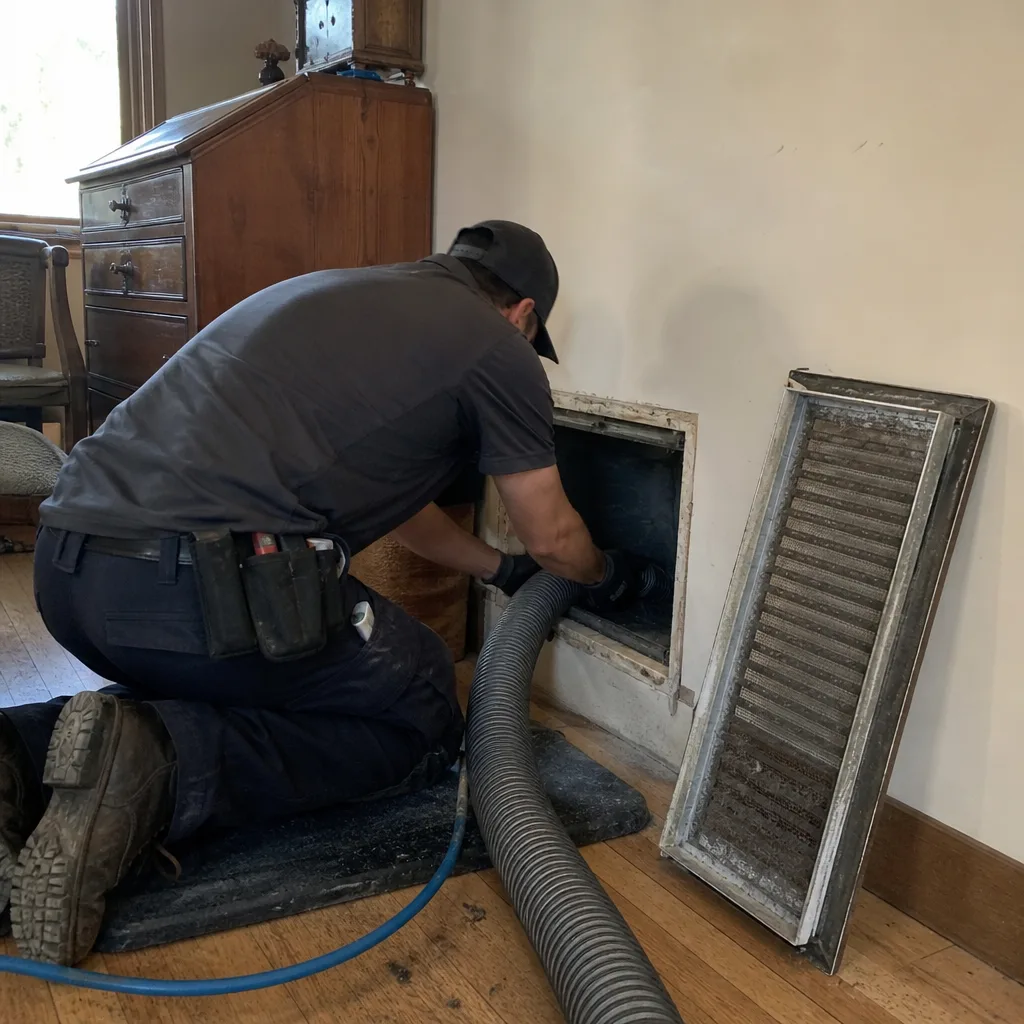 Before
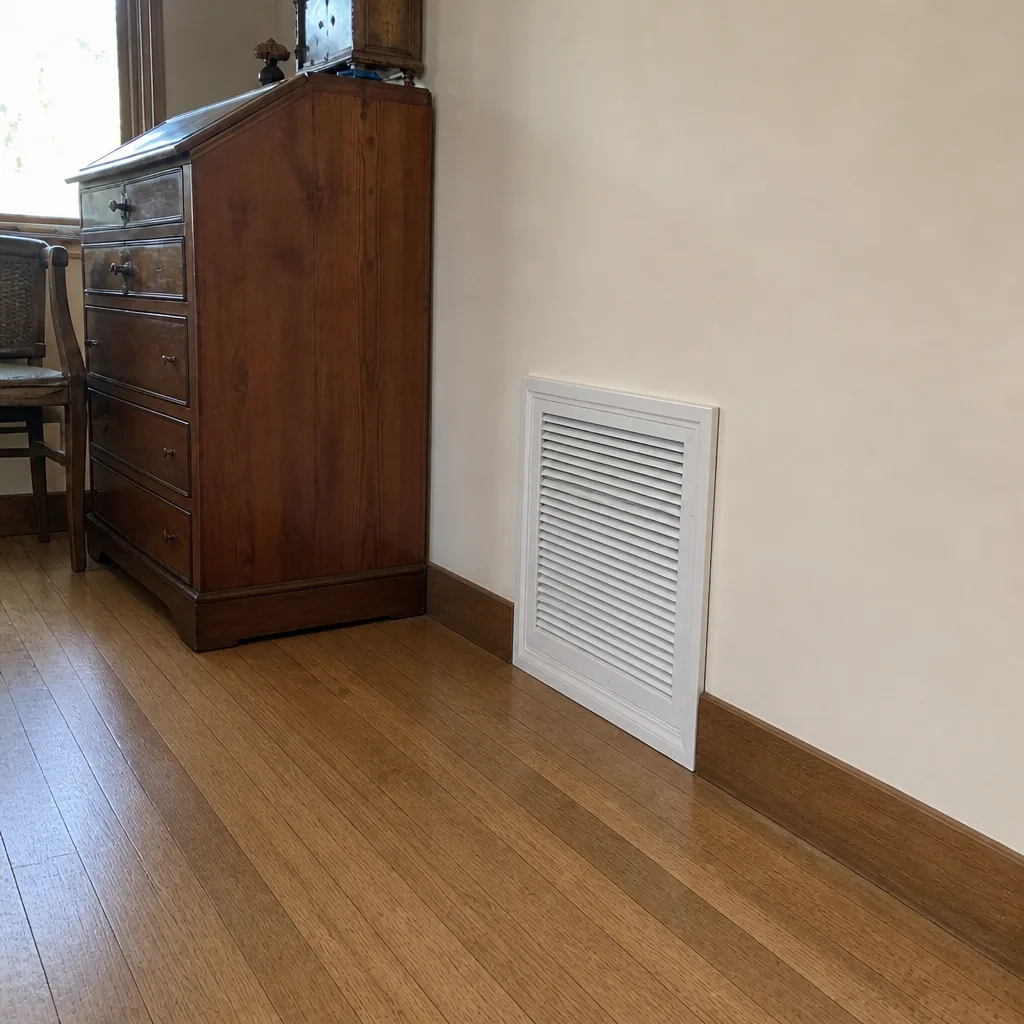 After
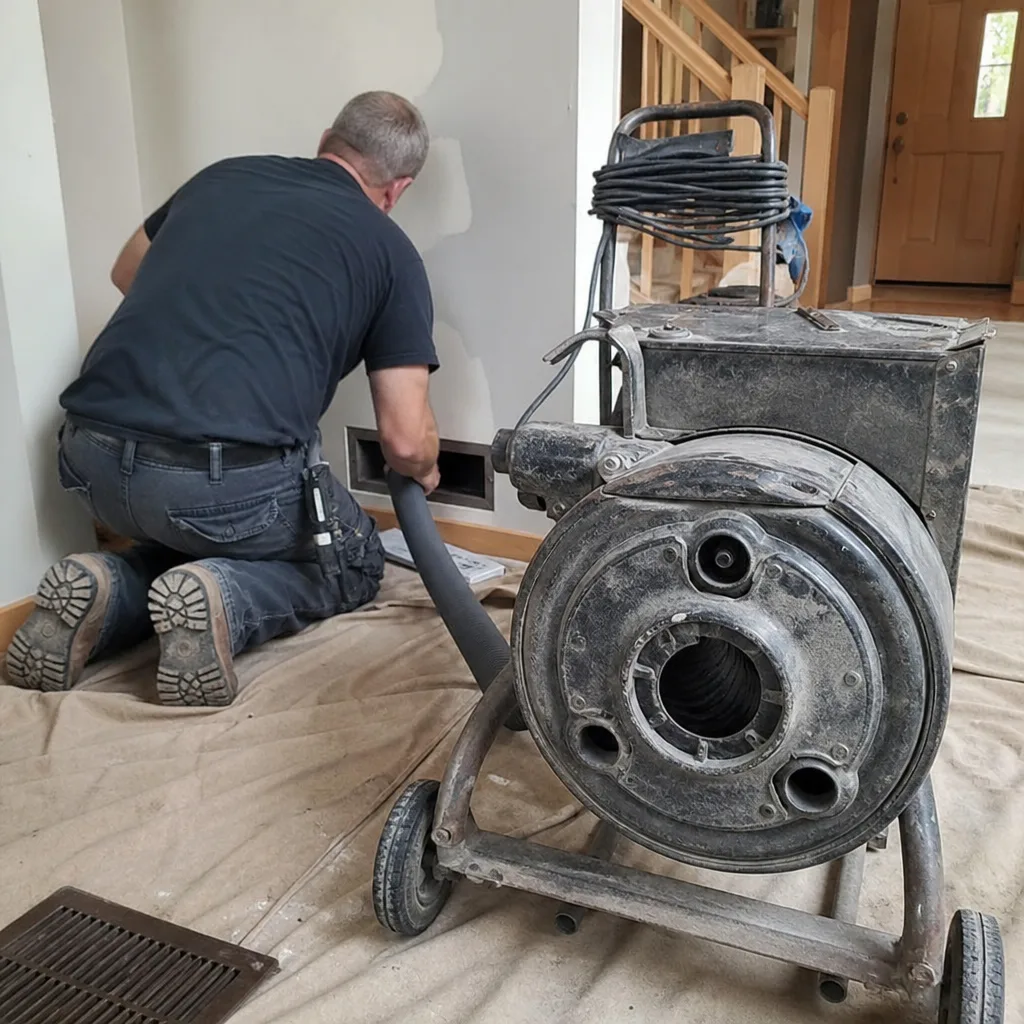 Before
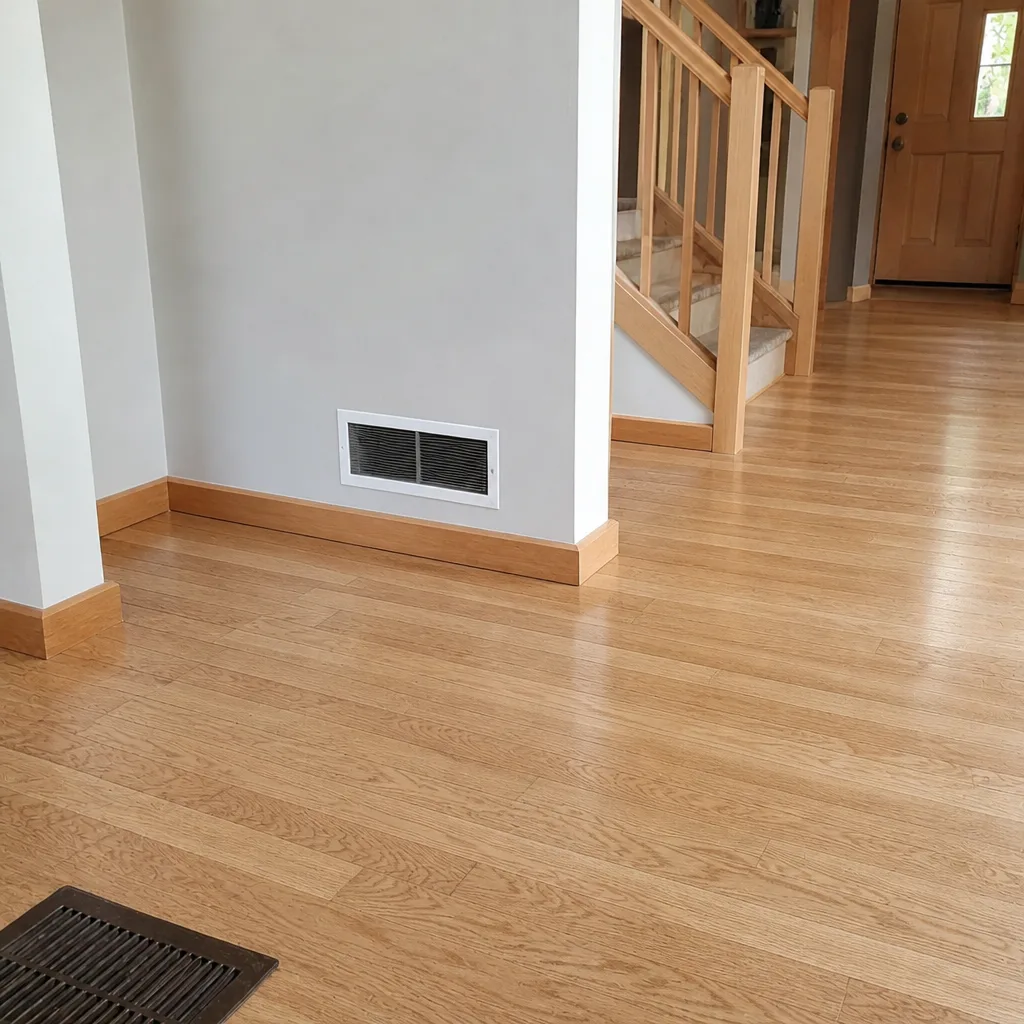 After
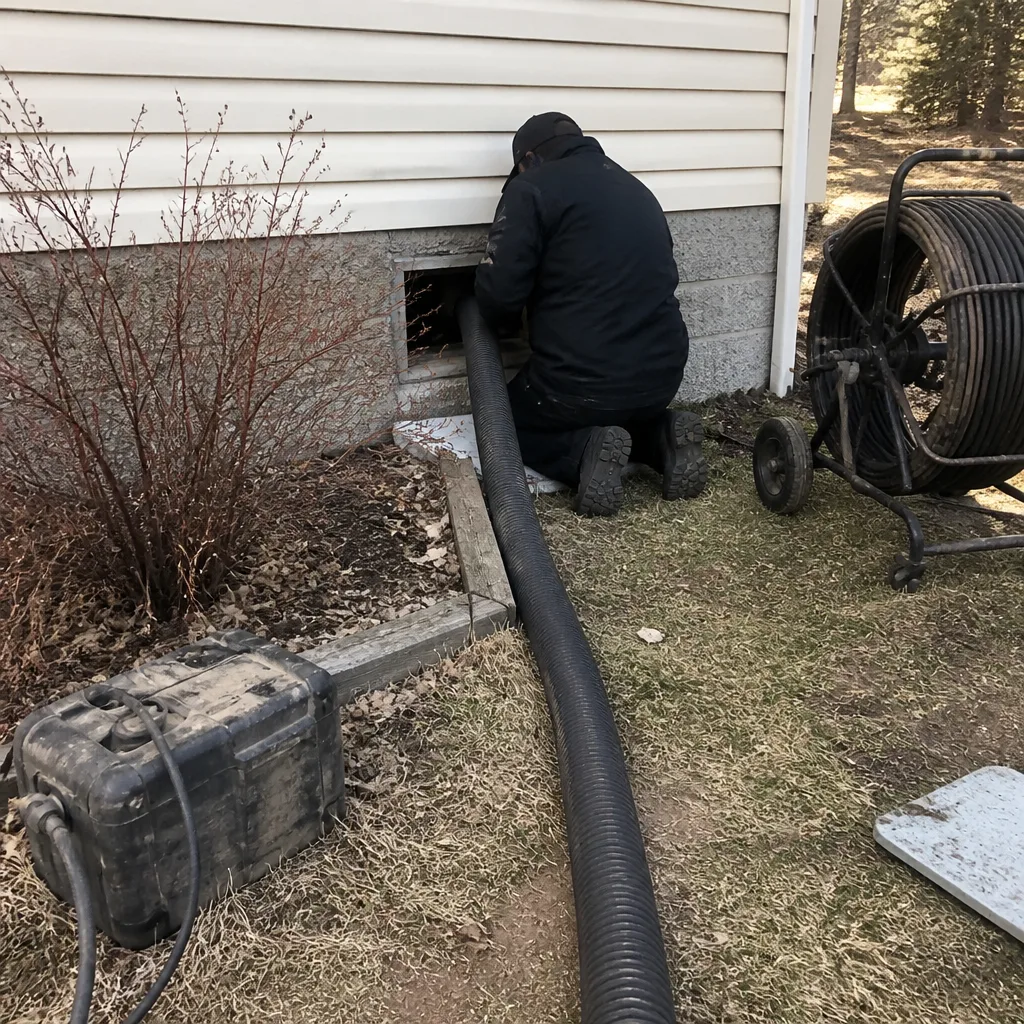 Before
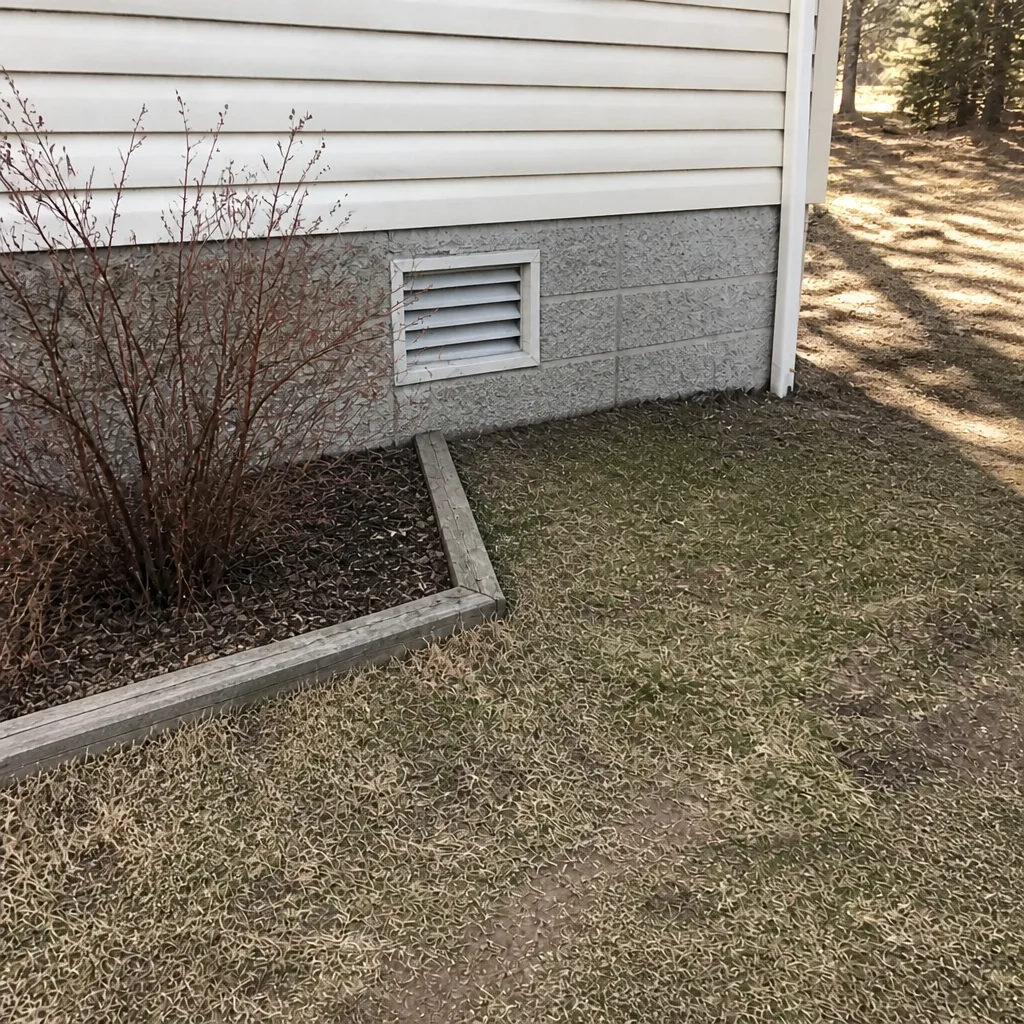 After
When to Call a Professional
Call a professional when the symptom survives the basic checks: a filter change, a register inspection, and a return-path check. Call sooner if you see a disconnected joint, smell gas, or notice visible moisture inside the air handler compartment. These are safe-to-observe but not safe-to-fix yourself. Air Duct Cleaning Highlands offers free estimates in Highlands, and our technicians have up to 13 years of experience diagnosing exactly the problems described in this guide. We use professional equipment, not consumer vacuums, and we fix what we find, whether that’s a breach, a collapsed run, biological growth, or a prior cleaning that didn’t reach the trunk line. If you’re in Highlands and the symptoms are persistent, call (855) 658-5079 for a free estimate. We answer 24/7. Fast dispatch from 7am to 7pm, Sunday through Friday.
Frequently Asked Questions
Typical estimates in the Highlands market vary with the number of systems, the number of registers, and any repair or sealing work included. We don’t quote per-vent prices or teaser coupons, because those tend to change once the technician is on site. Every job is priced by a written estimate agreed before work starts, with before-and-after photos included. Call (855) 658-5079 for a free estimate.
Fast re-soiling almost always points to a breach in the return duct pulling unconditioned attic or crawlspace air directly into the system. In Highlands, dry air and temperature swings accelerate flex duct cracking, which opens those breaches faster than in lower towns. Cleaning again before sealing the breach just repeats the cycle. Call (855) 658-5079 for a free estimate on the repair.
Not usually. A musty smell that returns after a duct cleaning almost always traces to biological growth in the air handler cabinet or on the evaporator coil, not the ducts themselves. The ducts were carrying the smell from that source. The fix is cleaning and sanitizing the air handler and coil, not another duct cleaning. Call (855) 658-5079 to have the air handler inspected.
No. Duct cleaning removes debris inside the ducts; it doesn’t change how much air each branch receives. Uneven temperatures almost always point to a damper or balancing issue, a crushed flex duct, or a restricted register. Those need repair or adjustment, not cleaning. Call (855) 658-5079 for a free estimate on the actual fix.
Look at the trunk line access point. If caked debris or a coating is still visible inside the trunk, the previous job didn’t reach the main ductwork. Professional equipment from Rotobrush and Nikro is what clears that, and proper before-and-after photos of the access point will show it. Call (855) 658-5079 for a free estimate that includes an access-point inspection.
There’s no single schedule that fits every Highlands home. Homes with pets, recent remodeling, or heavy construction dust nearby need cleaning sooner than homes without those loads. A system that’s been sealed and maintained properly can go longer between cleanings. The useful question is whether the system is dirty now, and the useful answer comes from an inspection, not a calendar. Call (855) 658-5079 for a free estimate.
The Bottom Line
Most duct complaints that return after a cleaning told you something specific the first time. Dust coming back fast means a breach. Musty smell means the air handler or coil. Uneven rooms mean a damper or a crushed run. Dust in the trunk means the prior job didn’t reach it. Read the signal, then fix the source. Cleaning without diagnosis is the cycle that costs homeowners in Highlands money over and over. We fix what we find, from duct repair and sealing to sanitizing and airflow balancing, and we price it on a written estimate before work starts. Call (855) 658-5079 for a free estimate. We answer 24/7. Fast dispatch from 7am to 7pm, Sunday through Friday.
Written by the team at Air Duct Cleaning Highlands.