
Last updated November 23, 2026
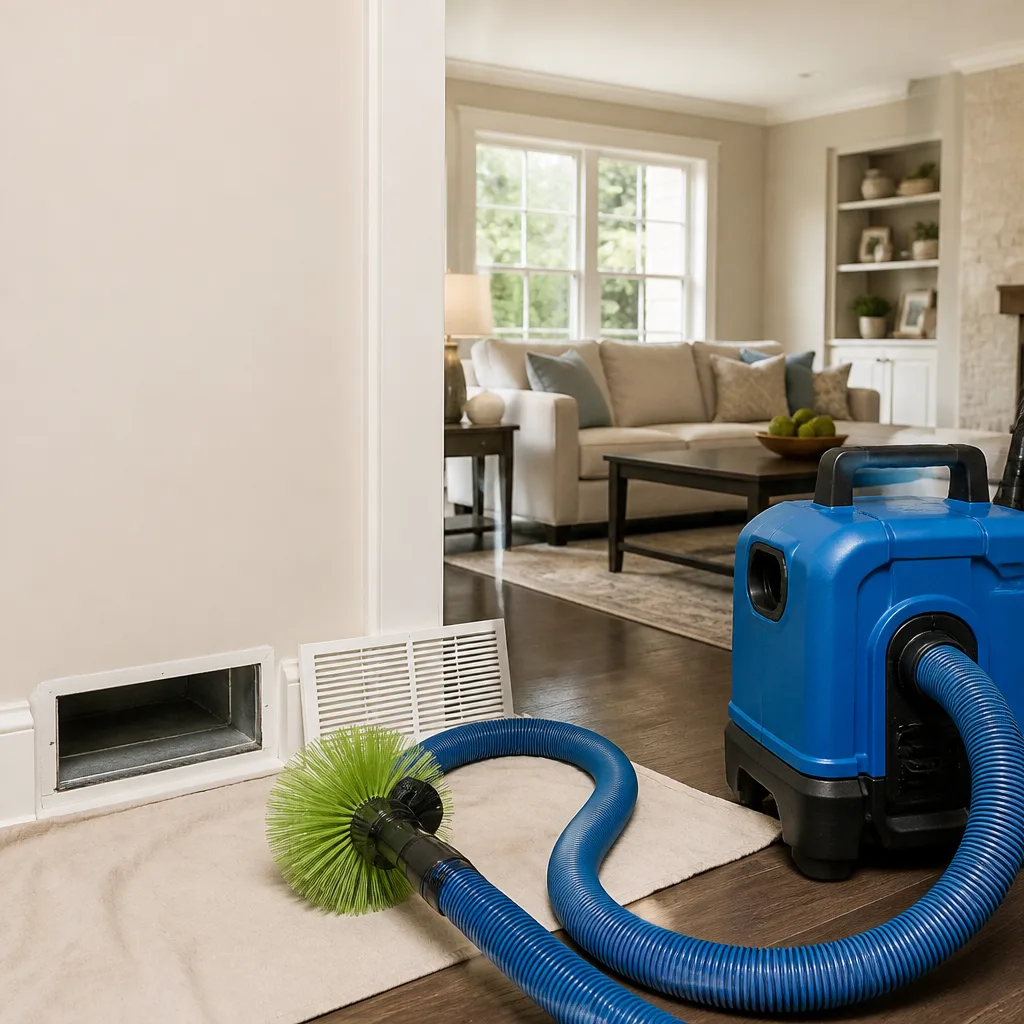 Whole-home duct cleaning
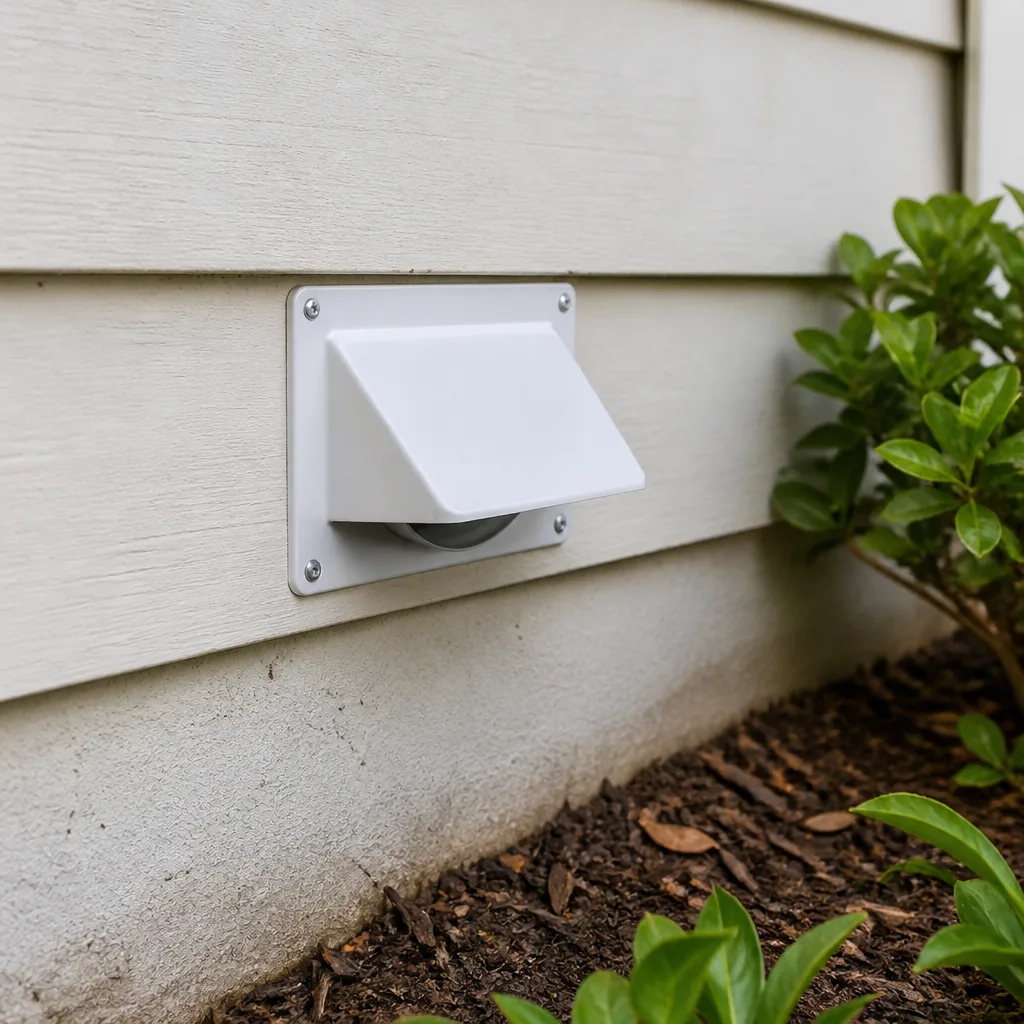 Dryer vent cleaning
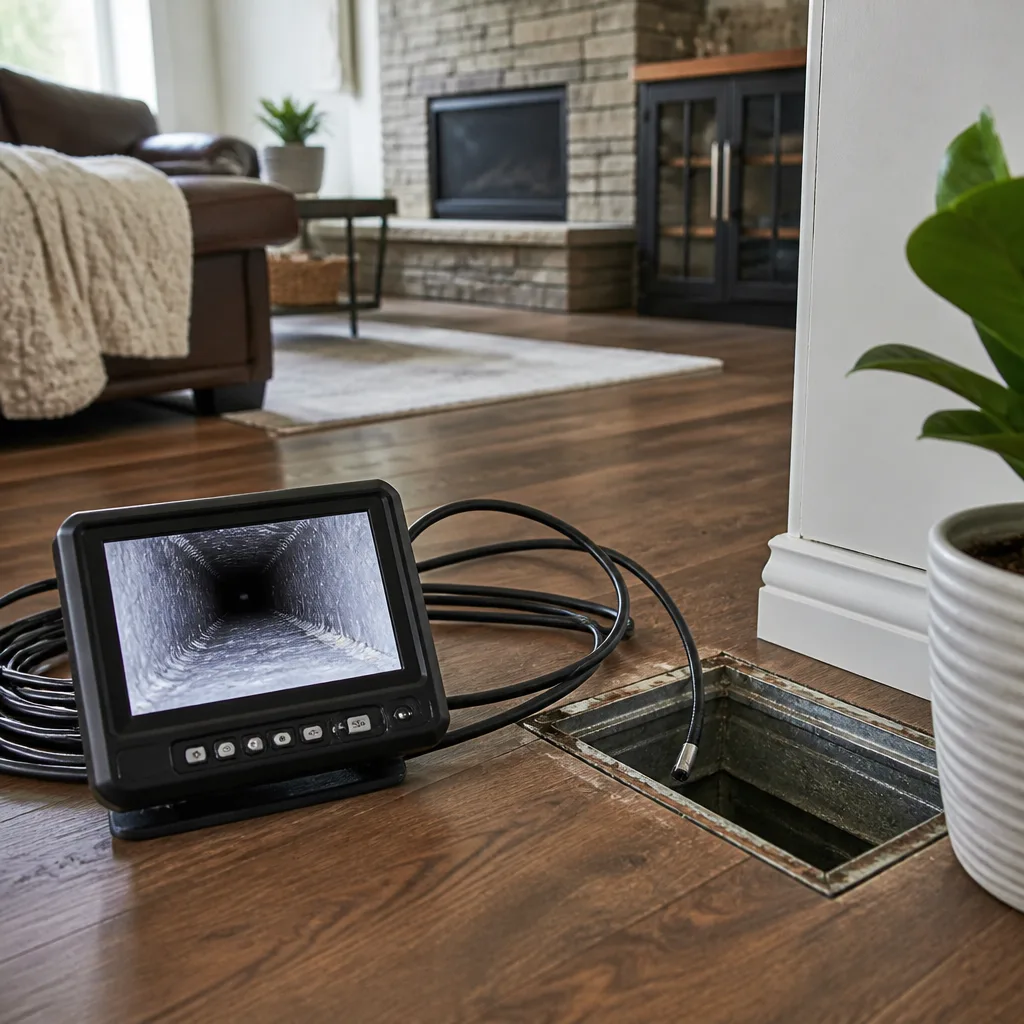 Camera inspection
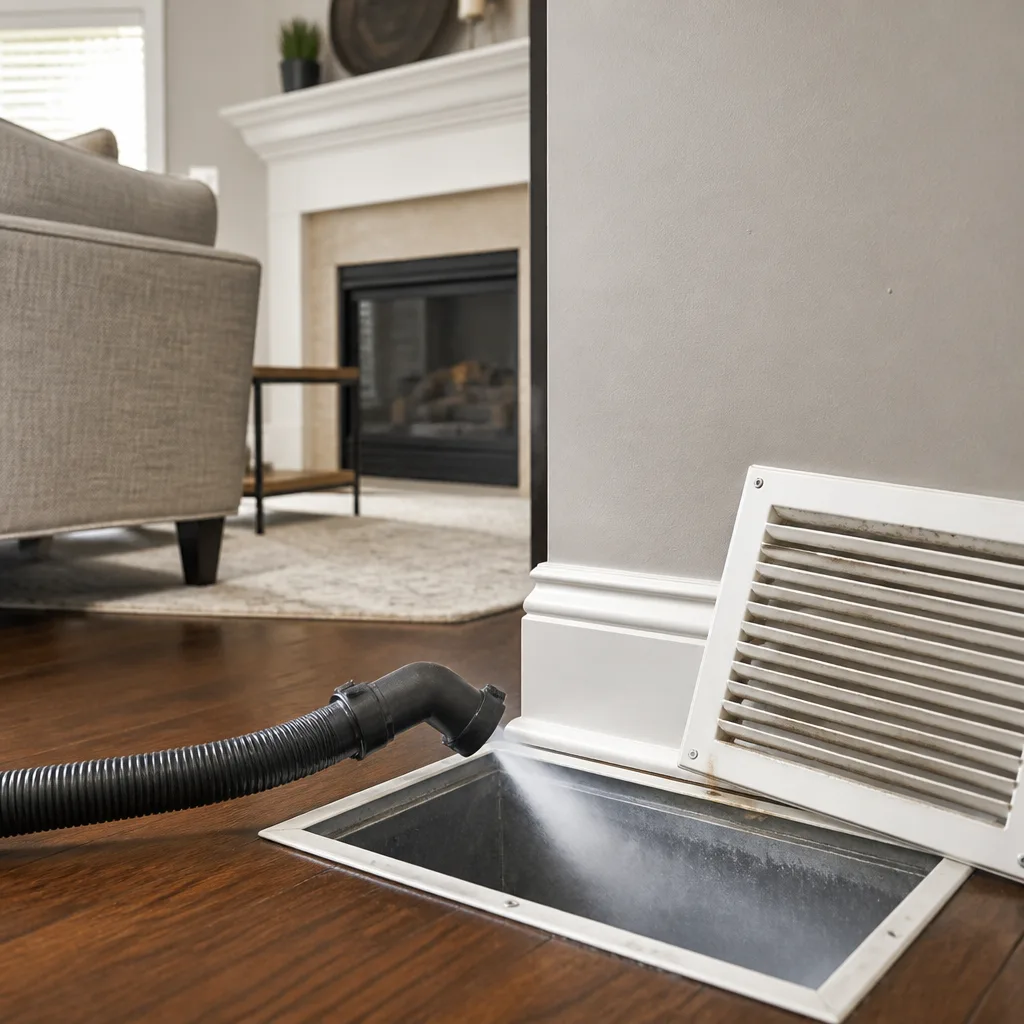 Sanitizing & deodorizing
Whole-system duct and dryer vent check with before-and-after photos - you see exactly what came out of your vents
That "$99 whole-house special" is a bait ad - the real number appears once they are in your hallway, or the "clean" is a shop-vac at the register. We photograph the inside of your ducts before and after instead.
The Complete Guide to Air Duct Cleaning in Highlands
Most homeowners think of duct cleaning as a freshness treatment. Something smells off, someone comes out, the house gets that clean-laundrylift for a few days, and life goes on. That framing misses the real point. Your ductwork is a closed diagnostic system. What comes out of the vents, how much comes out, and what’s coating the inside of the walls tells you exactly what’s been accumulating for years. In Highlands, that system runs under unusual strain. At 8,000-plus feet, homes here push their heating systems through more temperature swings than most Front Range properties, and the contamination cycle inside ductwork speeds up in ways generic guides never account for. This guide walks the full mechanics: how ducts get dirty, what professional extraction actually requires, how to verify the work, and why Highlands is its own case.
Quick Answer
Air duct cleaning in Highlands means mechanically removing accumulated dust, debris, and microbial growth from the entire duct system using professional-grade extraction equipment, then proving it was done with before-and-after documentation. Because Highlands sits above 8,000 feet and sees wide daily temperature swings, homes here develop condensation-related duct contamination faster than lower-elevation properties. A proper job uses negative-pressure containment and agitating tools (like Rotobrush systems) rather than blow-and-go air whips, and it ends with measurable airflow improvement, not just a fresher smell.
Styles & brands we work with
- Whole-home duct cleaning
- Dryer vent cleaning
- Camera inspection
- Sanitizing & deodorizing
Table of Contents
- How ductwork actually gets dirty in Highlands
- Why altitude and climate make Highlands a specific case
- Source removal vs. blow-and-go: how to tell the difference
- What a proper pre-cleaning inspection documents
- Duct material matters: flex, fiberglass, and sheet metal
- The equipment that separates professional cleaning from shortcuts
- What to expect after a proper cleaning
- Dryer vent cleaning: the safety service most companies skip
How Ductwork Actually Gets Dirty in Highlands
Dust doesn’t fall into your ducts from the sky. It gets pulled in. Every time your HVAC system runs, it draws household air through the return side, filters what it can, and pushes the rest through the supply side. The filter catches a fraction. The rest settles on duct walls, in joints, behind registers, and at the seams where sections connect.
Over months and years, that settlement builds in layers. You get a base of fine dust that binds to whatever moisture is present, then a secondary layer of lint, pet hair, and skin cells, then microbial growth wherever condensation has occurred. That’s the contamination cycle. In most homes it’s slow. In Highlands, it moves faster for three reasons:
- Longer runtime. Heating season starts earlier and lasts longer, so the blower moves more air through the system each year.
- Wider temperature swings. Daily swings between sun-warmed afternoons and cold nights cause more cycling, which means more air movement and more dust transport.
- Dry air and static. High-altitude air holds less moisture, so fine dust stays airborne longer and settles deeper into the system before it drops out.
The result is that a Highlands home can develop contamination that would take a lower-elevation home considerably longer to reach. That doesn’t mean every Highlands house needs annual cleaning. It means the inspection matters more here, because the visible signs show up later than the actual buildup.
Why Altitude and Climate Make Highlands a Specific Case
Ductwork in Highlands lives in an environment that’s harder on it than most homeowners realize. Two things stand out: temperature cycling and the condensation it produces.
Condensation and mold risk inside duct walls
When warm air meets a cold duct surface, moisture condenses. In winter, ducts running through unconditioned spaces stay cold while the interior air is heated and humidified. Every heating cycle pushes warm, moisture-laden air against that cold metal. The moisture doesn’t evaporate immediately. It sits on the duct wall, binds dust into a paste, and creates the exact conditions mold needs to establish.
In Highlands, that cycle repeats more often because of how sharply temperatures swing between daytime and overnight. Fiberglass-lined duct systems and flex duct are particularly vulnerable because their interior surfaces are textured. Textured surfaces hold moisture longer than smooth sheet metal, and they trap dust more effectively. Once mold establishes on those surfaces, cleaning it requires more than a vacuum pass. It requires mechanical agitation and a disinfecting treatment that reaches the wall surface, not just the air column.
The dry-season dust load
The flip side of elevation is the dust. Spring and early summer here kick up fine particulate that finds its way into homes through return air and open doors. That dust load enters the system even in homes with good filtration, simply because no filter catches everything. A filter rated for standard residential use is designed to protect the equipment, not to stop all particulate from entering the ducts. That’s the part most homeowners miss.
Static pressure and system load
Here’s a less obvious effect. When ductwork accumulates contamination on the walls, the effective interior diameter shrinks. That increases static pressure in the system, which makes the blower work harder to move the same volume of air. Homes at altitude already deal with lower air density, so the blower is tuned to a different performance curve than at sea level. Add duct restriction on top of that and the system loses efficiency quietly. Nothing breaks. The house just takes longer to heat, and the equipment wears faster. That’s the hidden cost of contaminated ductwork in Highlands.
Source Removal vs. Blow-and-Go: How to Tell the Difference
Source removal is the industry standard for duct cleaning, and it means exactly what the name says: contaminants are physically removed from the duct system and captured, not redistributed. Blow-and-go methods use compressed air to agitate debris without containment. The dust leaves the duct walls and goes into the air you breathe, then settles back into the system within days. Some companies charge less because they’re doing the second, and homeowners often can’t tell until weeks later when the smell returns.
Here’s how to tell which one was performed:
- Containment was set up first. A vacuum that creates negative pressure in the system is connected before any agitating tool goes in. Without it, loosened debris has nowhere to go but your living room.
- Every register was accessed. Source removal opens each supply and return register and cleans from both directions where the layout allows. A job that skips registers isn’t source removal.
- Documentation shows before and after. Interior photos of ducts at the same location, before and after, are the proof point. If a company doesn’t take them, ask why.
- Time on site matches the size of the system. A thorough cleaning of a full residential system takes real hours. If the crew is gone in under an hour with no photos, the work was a vacuum pass at best.
- Sanitizing was offered or discussed. Mechanical cleaning removes contamination. A disinfecting treatment applied after cleaning addresses what’s left on the surfaces. A company that skips the conversation entirely either doesn’t understand the sequence or doesn’t have the tools for it.
In our experience, homeowners who ask these five questions before booking end up with better outcomes, because the company knows it will be checked. For a deeper look at the service itself, see our page on air duct cleaning.
What a Proper Pre-Cleaning Inspection Documents
A duct cleaning estimate without an inspection is a guess. A legitimate inspection looks at four things and writes them down:
- Access points. How many registers, returns, and plenum connections exist, and whether any are blocked by furniture, cabinets, or finishes. Access tells you how long the job takes.
- Duct material. Sheet metal, flex, fiberglass-lined, or a mix. Material determines which tools and pressure settings are used, and whether the work risks damaging the duct.
- Static pressure. Measured at the air handler and at representative supply registers. High static pressure before cleaning confirms restriction. Measuring again after cleaning proves improvement.
- Visible contamination. Photographs inside the duct at the plenum, at the main trunk, and at supply registers. These are the reference shots.
Two out of four is a marketing pitch. All four is a diagnostic. In Highlands, the inspection also needs to check for evidence of moisture intrusion, condensation staining on duct walls, and any mold growth on fiberglass lining. Those findings determine whether the job is a standard cleaning or requires sanitizing and potentially repair. The Air Duct Cleaning Highlands process starts here, because if we don’t know what’s in the system, we can’t promise what comes out of it.
Duct Material Matters: Flex, Fiberglass, and Sheet Metal
The most common mistake in duct cleaning is treating every system the same. It doesn’t work, and it can damage the duct. Here’s how the approach differs by material.
Sheet metal
The most durable option. Sheet metal ducts tolerate aggressive agitation and higher pressure, and cleaning restores the smooth interior wall, which helps airflow. The risk here is at the seams and joints. Over-aggressive brushing can loosen duct connections, which then leak. A proper job checks seam integrity during the cleaning and reports any leaks found.
Flex duct
Flex duct is a corrugated plastic tube, often with a wire helix inside. It’s the most common in older Highlands homes that have been retrofitted, and it’s the most easily damaged. Corrugations trap dust more effectively than smooth metal. It also compresses easily under vacuum if the settings are wrong. Flex duct needs lower pressure, gentler agitation, and careful handling, especially at bends and at the collars where it connects to registers. A company that runs the same settings on flex duct that it runs on sheet metal is likely to crush or tear the duct, or leave it collapsed at a joint.
Fiberglass-lined duct
Fiberglass-lined sheet metal was common in homes built decades ago. The interior surface is textured, which means it holds moisture and dust better than smooth metal, and it’s the material most likely to harbor microbial growth in Highlands. The lining can also degrade over time, especially if it has been wet. Cleaning fiberglass-lined duct requires careful brush selection and lower pressure so the lining isn’t shredded. If the lining is already damaged or delaminated, cleaning alone won’t fix it, and duct repair or relining is the honest recommendation.
The point isn’t the jargon. It’s that the equipment settings, the tools, and the time estimate all change based on what the inspection finds. In a Highlands home with a mix of materials, a single generic setting is a warning sign.
Safety note: We never give step-by-step instructions for opening or modifying ductwork or the electrical components connected to your HVAC system. Anything that involves removing a component, disconnecting wiring, or working inside the air handler should be handled by a trained professional. Duct cleaning involves sealed containment and specialist tools for a reason.
The Equipment That Separates Professional Cleaning from Shortcuts
Duct cleaning is a machinery-driven trade. The difference between a job that lasts and one that doesn’t usually comes down to what’s on the truck. Here’s what professional-grade work involves.
Rotobrush systems
Rotobrush systems agitate and vacuum simultaneously. The brush head rotates inside the duct while the vacuum captures loosened debris at the same point. That combined action is what makes the cleaning thorough on flex and fiberglass, where a vacuum alone can’t dislodge binding dust from textured surfaces. The system’s flexible shaft lets the technician reach farther into the duct than a hand tool would.
Negative-pressure containment
Before any agitating tool goes in, a high-capacity vacuum connected to the system pulls a slight negative pressure throughout the ductwork. With the system under negative pressure, anything dislodged is drawn toward the capture point rather than into the room. This is the single most important piece of the process, and it’s the one skipped most often by lower-cost operators.
Abatement Technologies filtration
Abatement Technologies air filtration tools handle the capture side of the job at a level that portable residential vacuums can’t. These are the same class of equipment used in commercial restoration and abatement work. During service they contain the dislodged contaminants so they don’t recirculate into your living space. That matters most in homes with allergy concerns, pets, or any family member with respiratory sensitivity.
Nikro equipment and post-cleaning treatment
Nikro equipment is part of the standard toolkit for the specific job of reaching into duct runs that other systems can’t fully access. After mechanical cleaning, sanitizing treatment options (Guardsman-backed options are available) address the surfaces that were cleaned, and filtration recommendations (Honeywell and Aprilaire products) can upgrade what’s capturing dust going forward.
For properties that also need the HVAC system cleaned as a whole, the same equipment class applies. See our HVAC cleaning page for how that scope differs from duct cleaning alone.
What to Expect After a Proper Cleaning
A real cleaning produces measurable results. “It smells fresher” is the weakest evidence available, and it’s the only evidence some companies offer. Here’s what a proper job should show you:
- Measurable airflow improvement. Static pressure readings taken before and after cleaning should show a reduction, which translates to more airflow at the registers. Ask to see the numbers.
- Visible interior difference. Before-and-after photos of the same duct locations. If you look at a before shot and the after shot doesn’t clearly show a clean wall, ask why.
- A reduction in dust on surfaces. Over the first week or two, dust settling on furniture and hard floors should visibly decrease in high-traffic rooms, because less is being pushed back into the living space.
- Quieter operation in some systems. When duct restriction is reduced, the blower doesn’t work as hard, which can mean less rattle and hum. Not guaranteed, but a common report.
- A written summary of findings. Damage discovered during cleaning, leaks at seams, damaged flex sections, or delaminated lining, should all be documented. If a company only reports what it cleaned, you’re missing half the information.
One expectation to set: a duct cleaning doesn’t make a house dust-free. It removes the contamination reservoir that’s continuously feeding the problem. The difference is a system that stops contributing dust back into the home, not a home that never gets dusty again.
Dryer Vent Cleaning: The Safety Service Most Companies Skip
Most duct cleaning companies don’t clean dryer vents, or they treat it as a throwaway add-on. That’s a gap worth understanding. Lint accumulation in a dryer vent is one of the leading causes of residential fires, and the fix is straightforward mechanical clearing. The reason it gets skipped is that it’s a separate job requiring its own tools, its own access, and its own inspection.
A proper dryer vent cleaning runs the length of the vent from the dryer connection to the exterior termination point. It verifies that the exterior flapper opens freely, checks for crushed or disconnected vent sections, and confirms airflow through the entire run. If the vent is long, has multiple elbows, or terminates through a wall rather than the roof, the risk of lint buildup is significantly higher. Our dryer vent cleaning service runs as a dedicated line because it’s a fire-safety service, not an efficiency upsell.
In Highlands homes that use the dryer heavily, or where the vent terminates through an exterior wall with a long run, we recommend an inspection at the same time as duct cleaning. The two jobs share access points and it makes sense to document both.
Common Mistakes to Avoid
- Booking without an inspection. A company that quotes a flat number before seeing the system is guessing. In a Highlands home with mixed duct materials, the guess will be wrong, and the price changes on the day.
- Choosing the lowest quote without asking about containment. Negative-pressure containment is the single largest cost driver in a proper job. A quote far below others often means no containment, no photo documentation, and no real extraction.
- Letting a crew use the same settings on flex and sheet metal. Flex duct collapses under over-pressure. If the crew doesn’t ask about materials during the inspection, they may not adjust settings during the cleaning.
- Skipping the sanitizing step after cleaning. Mechanical cleaning removes debris, but the surfaces contact microbes. A sanitizing treatment addresses what remains on the walls. Ask whether it’s included and what product is used.
- Not scheduling dryer vent cleaning with the duct cleaning. The two jobs share access. Doing them together is efficient. Doing them separately often means the vent gets forgotten.
- Accepting verbal-only proof. Before-and-after photos and static-pressure readings are the two verifiable pieces of evidence. Anything else is a claim.
- Ignoring the recommendation to upgrade filtration afterward. A duct cleaning without upgraded filtration just restarts the cycle. A recommendation for a better filter (Honeywell or Aprilaire options are the ones we install) is a sign the company is thinking about the whole system, not just the invoice.
See the difference
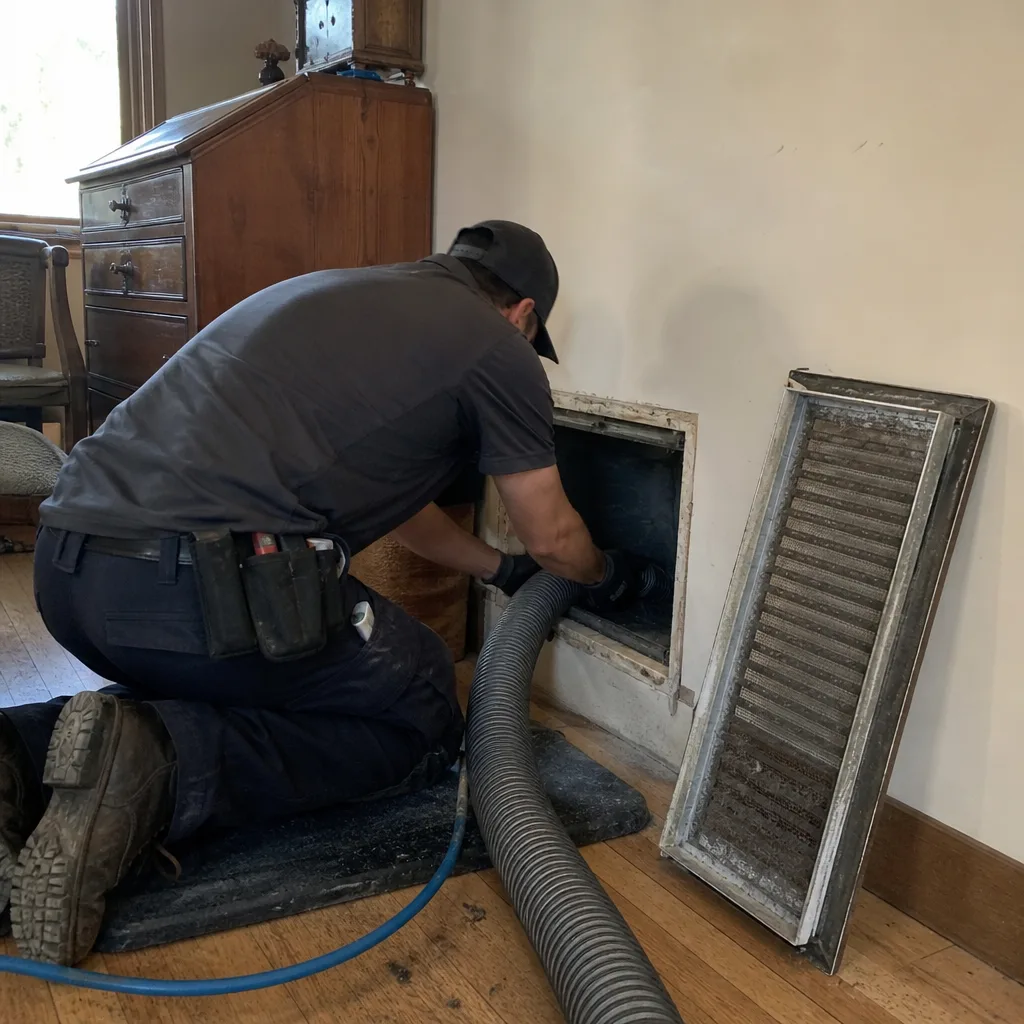 Before
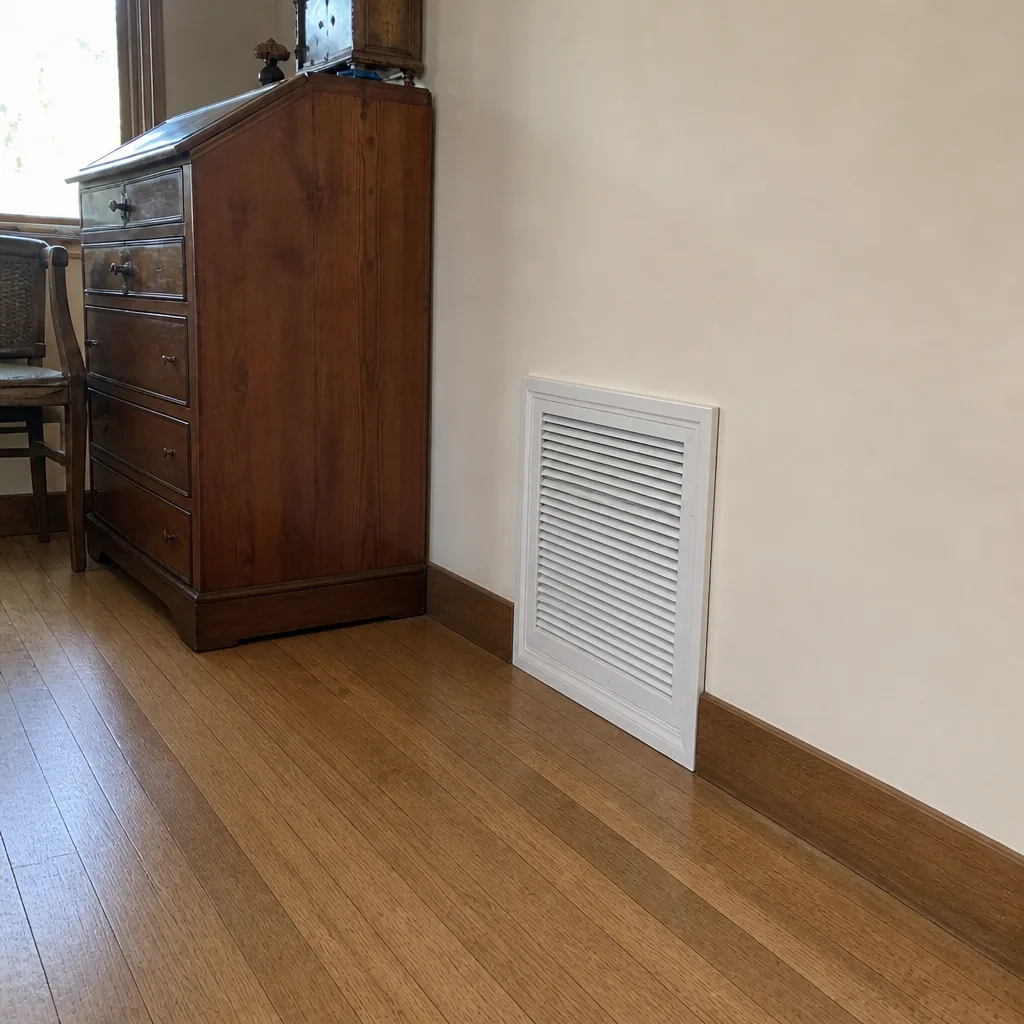 After
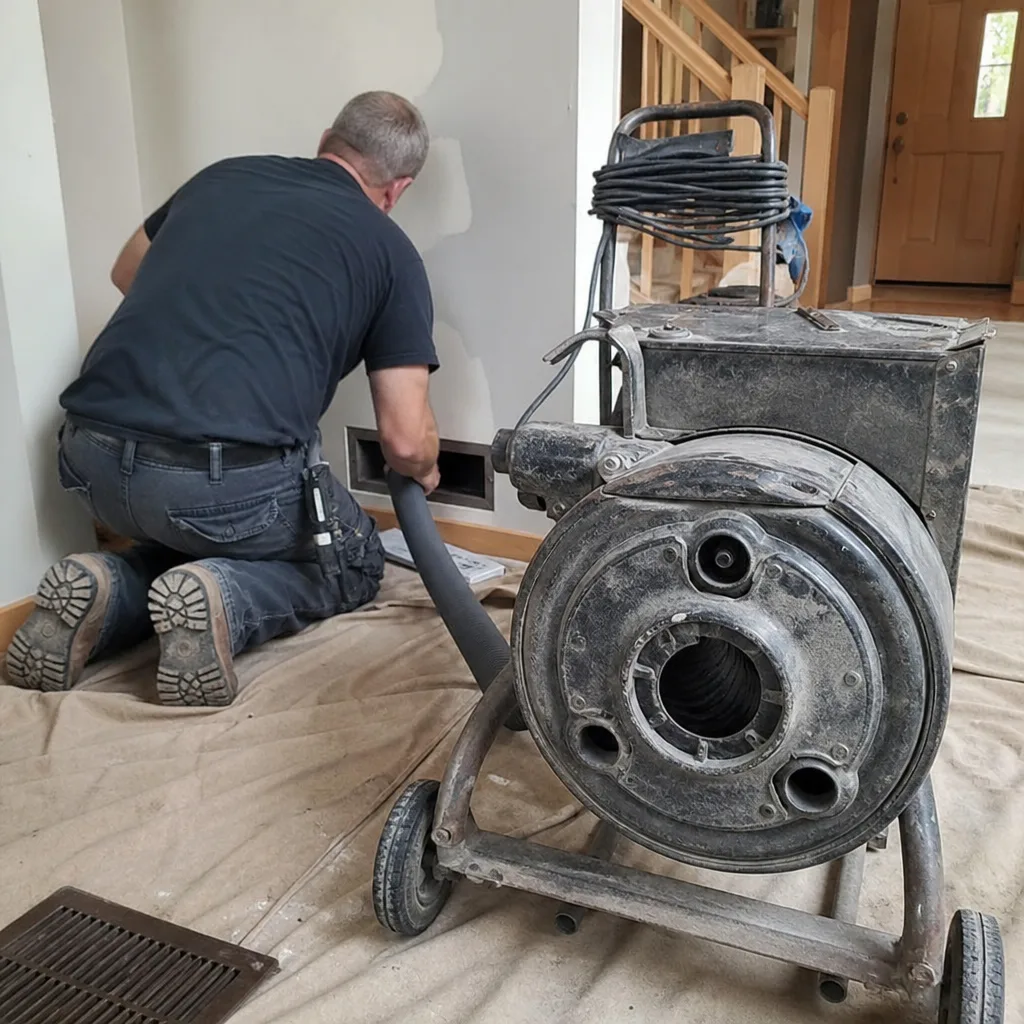 Before
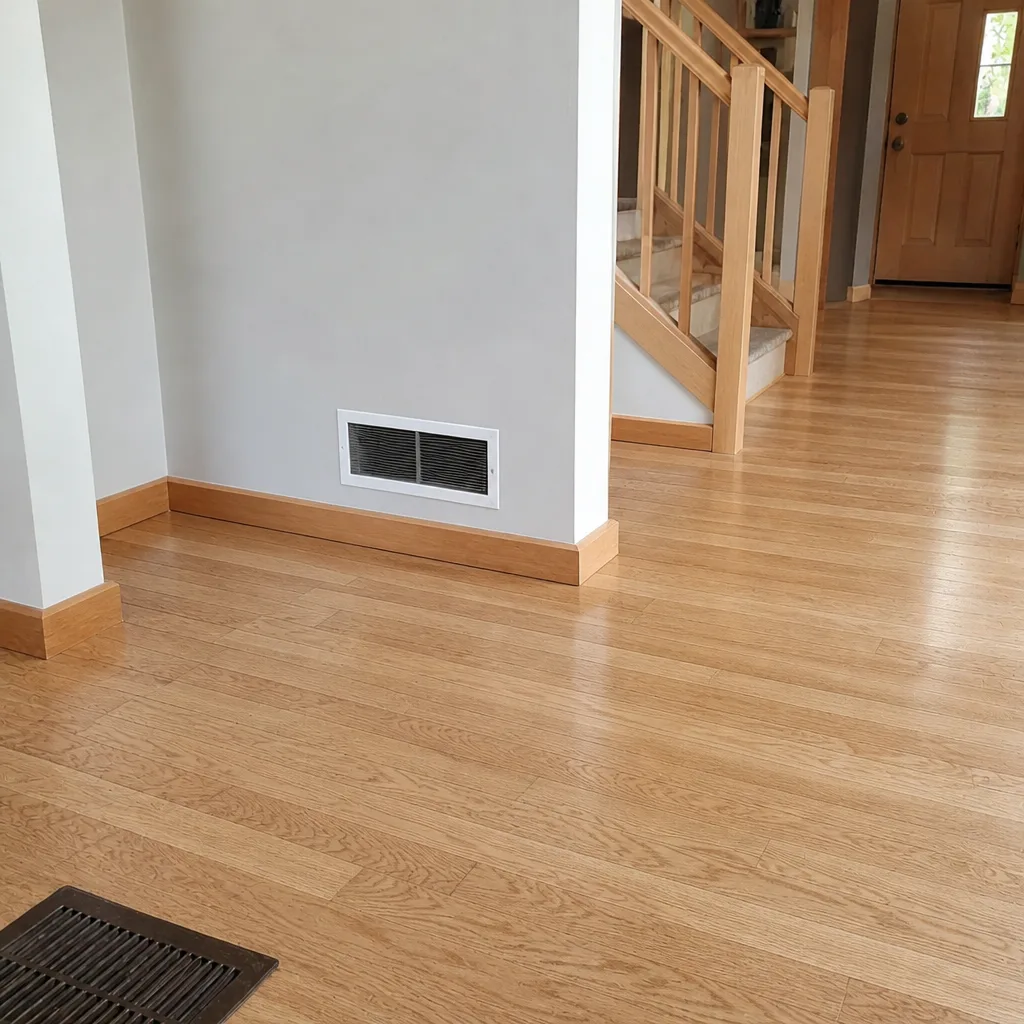 After
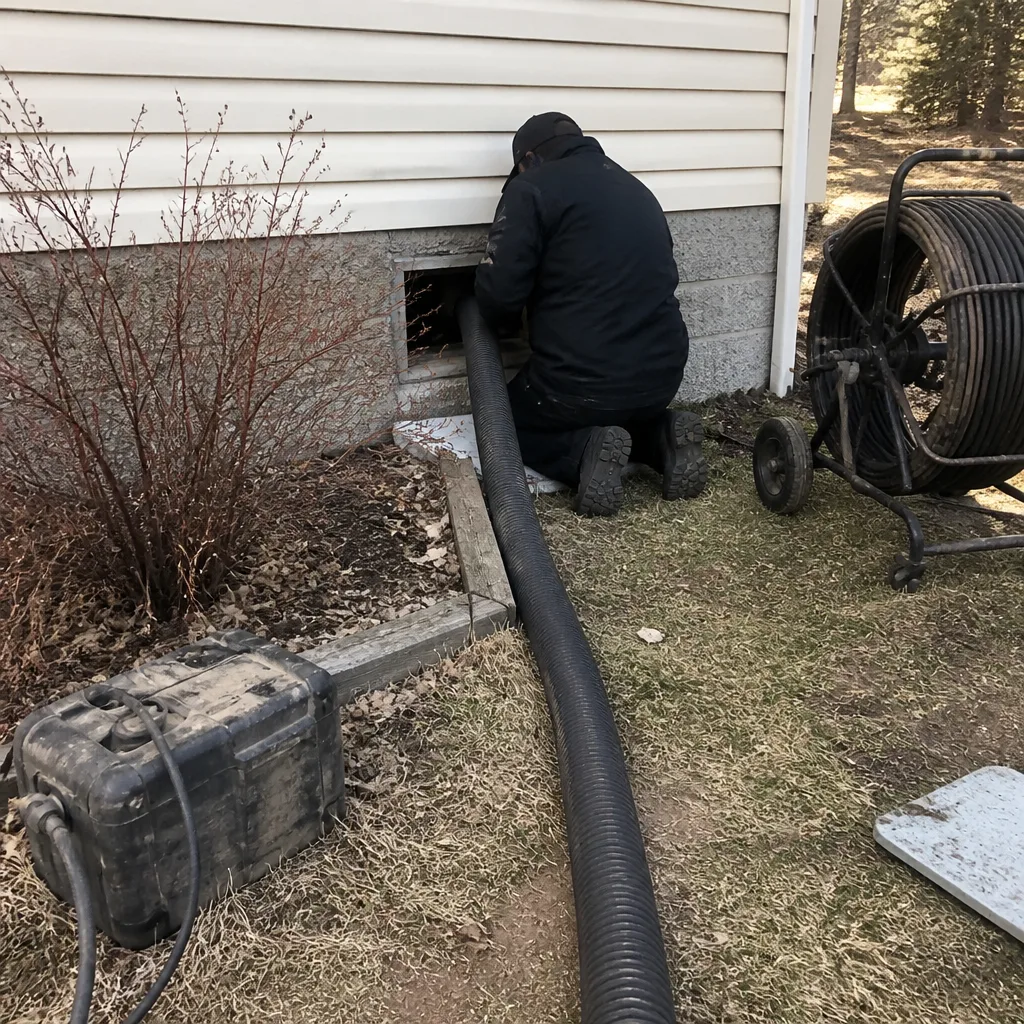 Before
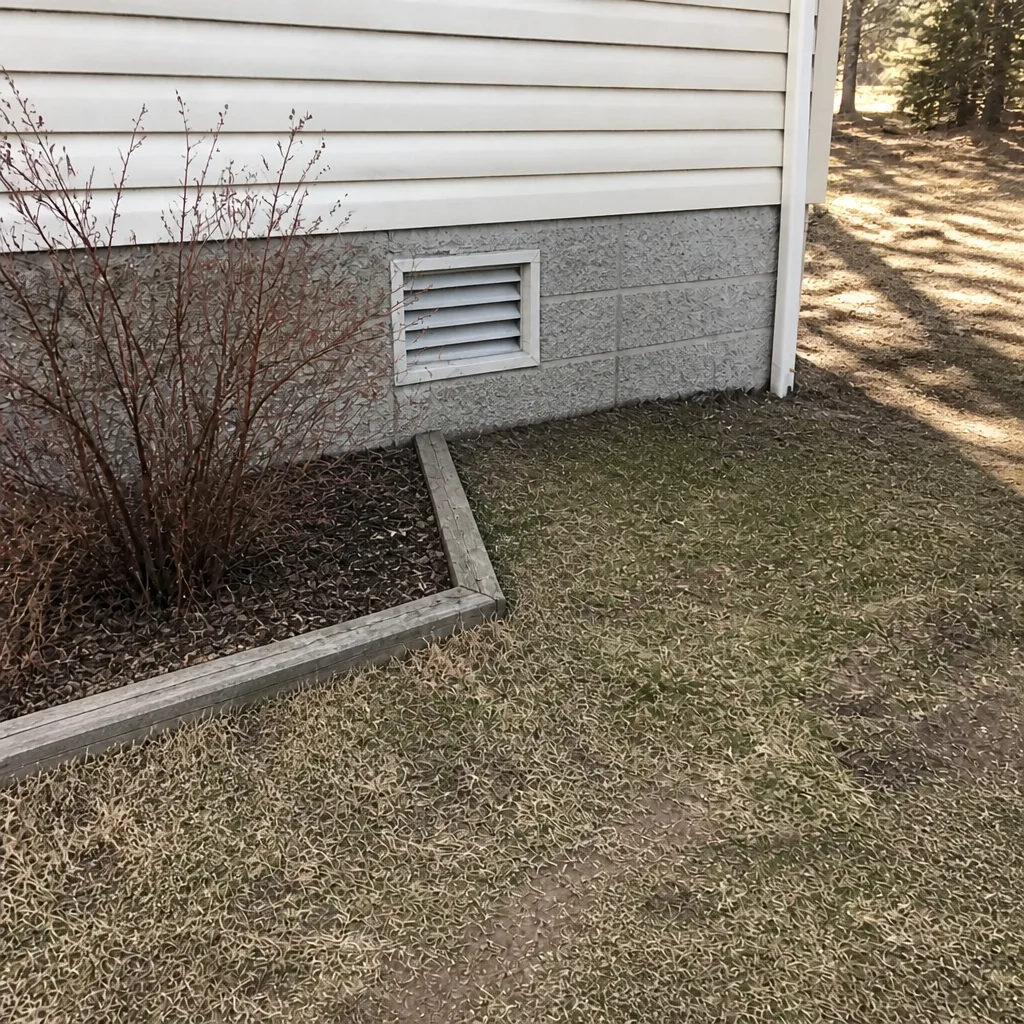 After
When to Call a Professional
Some signs point clearly to a professional cleaning, and some are ambiguous. Here are the ones that justify a call:
- Visible dust or debris blowing out of supply registers when the system starts, or dust streaks around register covers.
- A musty or stale smell from any vent, even after cleaning the filters.
- Visible mold growth on duct walls or around registers, or water staining on duct surfaces.
- Noticeable increase in dust settling on furniture since the last cleaning.
- Seasonal allergies that get worse indoors rather than improving.
- Dryer taking longer than it used to, or clothes still damp at the end of a cycle (dryer vent concern).
- Recent home purchase or major renovation, especially with flex duct or fiberglass-lined systems.
Our technicians have up to 13 years of experience and offer free estimates in Highlands. Call (855) 658-5079 to schedule an inspection that includes static-pressure readings and photo documentation, so you’re comparing real findings rather than marketing estimates. We answer 24/7. Fast dispatch from 7am to 7pm, Sunday through Friday. The estimate is free, and the price is set per job by a written estimate agreed before any work begins.
Frequently Asked Questions
Air duct cleaning in Highlands is priced per system by estimate, not per vent, and the written estimate sets the final price before work starts. Because Highlands homes use a mix of flex, fiberglass-lined, and sheet metal duct, and because static-pressure testing and photo documentation are part of the job, an accurate quote can only come after an inspection. That inspection is free, so the fastest way to get a real number is to call (855) 658-5079. We answer 24/7, with fast dispatch from 7am to 7pm, Sunday through Friday.
Most Highlands homes benefit from a professional duct inspection every few years, with cleaning scheduled based on what the inspection finds rather than a fixed calendar. Homes with pets, allergy concerns, recent renovations, or fiberglass-lined ducts tend to need it sooner. Because Highlands sits above 8,000 feet, the heating system runs longer than at lower elevations, and condensation cycles inside the ductwork are more frequent, both of which speed up contamination. Call for an inspection and get the recommendation based on your actual system.
Lower quotes usually skip the elements that make a cleaning actually work: negative-pressure containment, photo documentation, static-pressure readings, and mechanical agitation tools. Those steps take equipment and time, and a quote far below others usually means a vacuum pass with no containment. Ask every company whether containment is included, whether photos are taken, and whether settings are adjusted for duct material. The answers tell you which kind of job you’re buying. Call (855) 658-5079 for a written estimate that itemizes what’s included.
Before-and-after photos of the same duct locations, taken inside the duct, plus static-pressure readings before and after cleaning are the two forms of verifiable proof. Ask to see both. A company that can’t produce them either didn’t do the work or doesn’t have equipment capable of the work. We document both as standard practice, and we walk you through the findings before you pay.
Yes, but only with lower-pressure equipment and appropriate brush selection. Fiberglass-lined duct has a textured interior surface that traps dust and moisture more effectively than sheet metal, and it damages more easily under aggressive agitation. The cleaning requires different settings than sheet metal, and if the lining is already delaminated or damaged, a repair recommendation is the honest answer rather than a cleaning. Our inspection flags the lining condition before work begins.
If the dryer vent hasn’t been cleaned in years, or the dryer takes noticeably longer to dry clothes than it used to, dryer vent cleaning is worth scheduling. Lint buildup in the vent is a leading cause of residential fires, and it’s a straightforward mechanical clear plus inspection of the full run. Doing it with duct cleaning shares access and saves time. Call (855) 658-5079 to bundle an inspection for both. We answer 24/7. A call outside dispatch hours is booked into the next opening, Sunday through Friday, 7am to 7pm.
The Bottom Line
Understanding your ductwork as a closed diagnostic system changes how you approach cleaning. The question isn’t just “does it smell?” It’s “what’s in the system, what’s the airflow doing, and what did the cleaning actually remove?” In Highlands, at 8,000-plus feet with long heating seasons and wide temperature swings, that question matters more than in most places, because contamination accelerates and visible signs appear later. Ask for an inspection with static pressure readings and photo documentation. Ask whether containment is used, whether duct material is accounted for in the tool settings, and whether sanitizing is offered after the mechanical cleaning. Those details are what separate a cleaning that lasts from one that’s forgotten by the next season. When you’re ready to compare a real estimate against a marketing one, call (855) 658-5079 for a free estimate. We answer 24/7. Fast dispatch from 7am to 7pm, Sunday through Friday. One flat price per system, agreed before work starts, with before-and-after photos of your own ducts.
Written by the team at Air Duct Cleaning Highlands.