
Last updated November 23, 2026
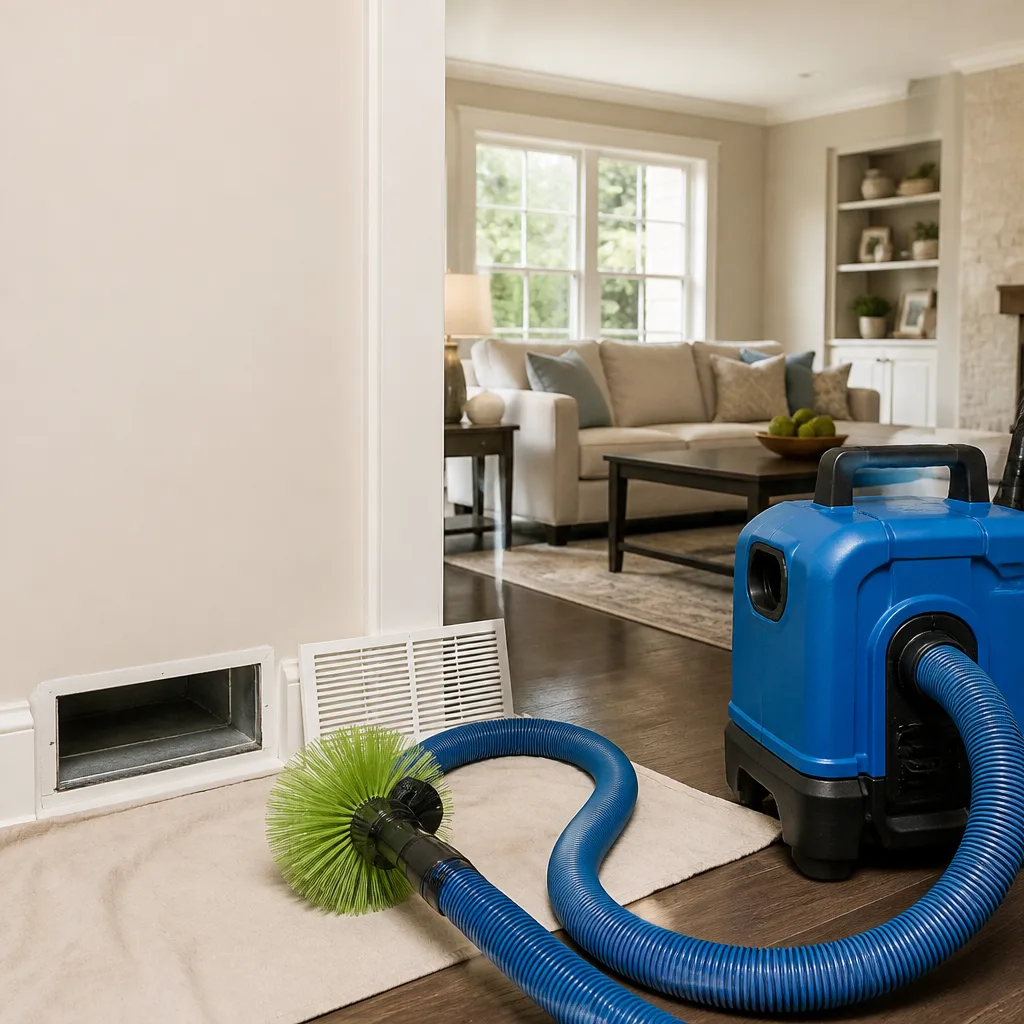 Whole-home duct cleaning
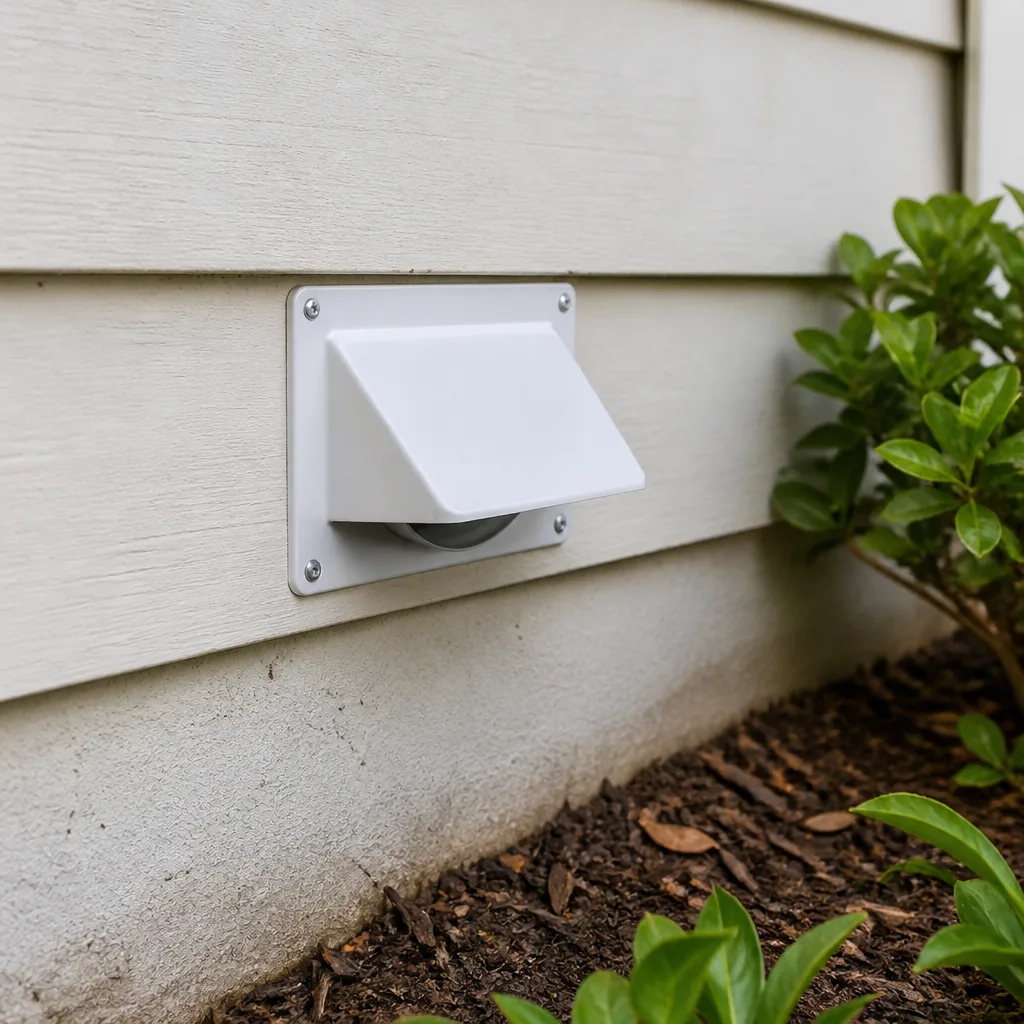 Dryer vent cleaning
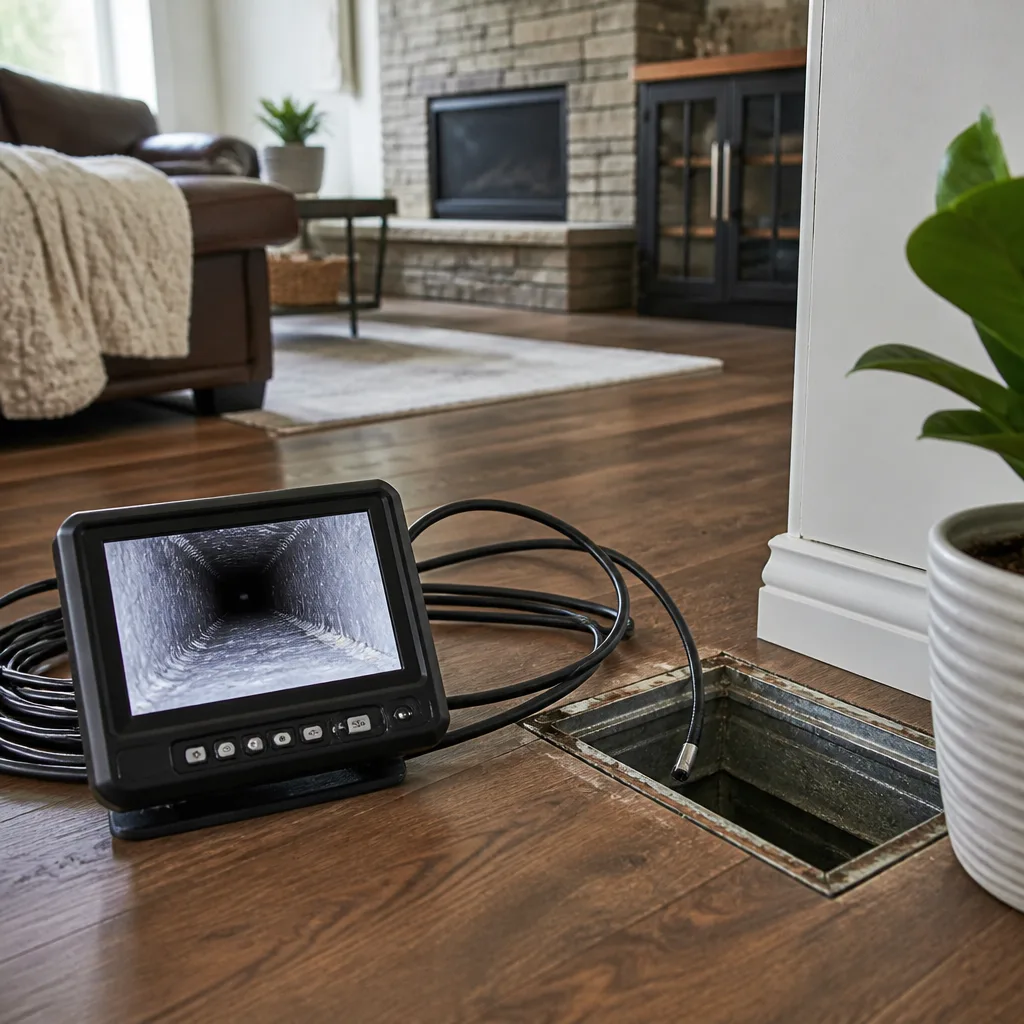 Camera inspection
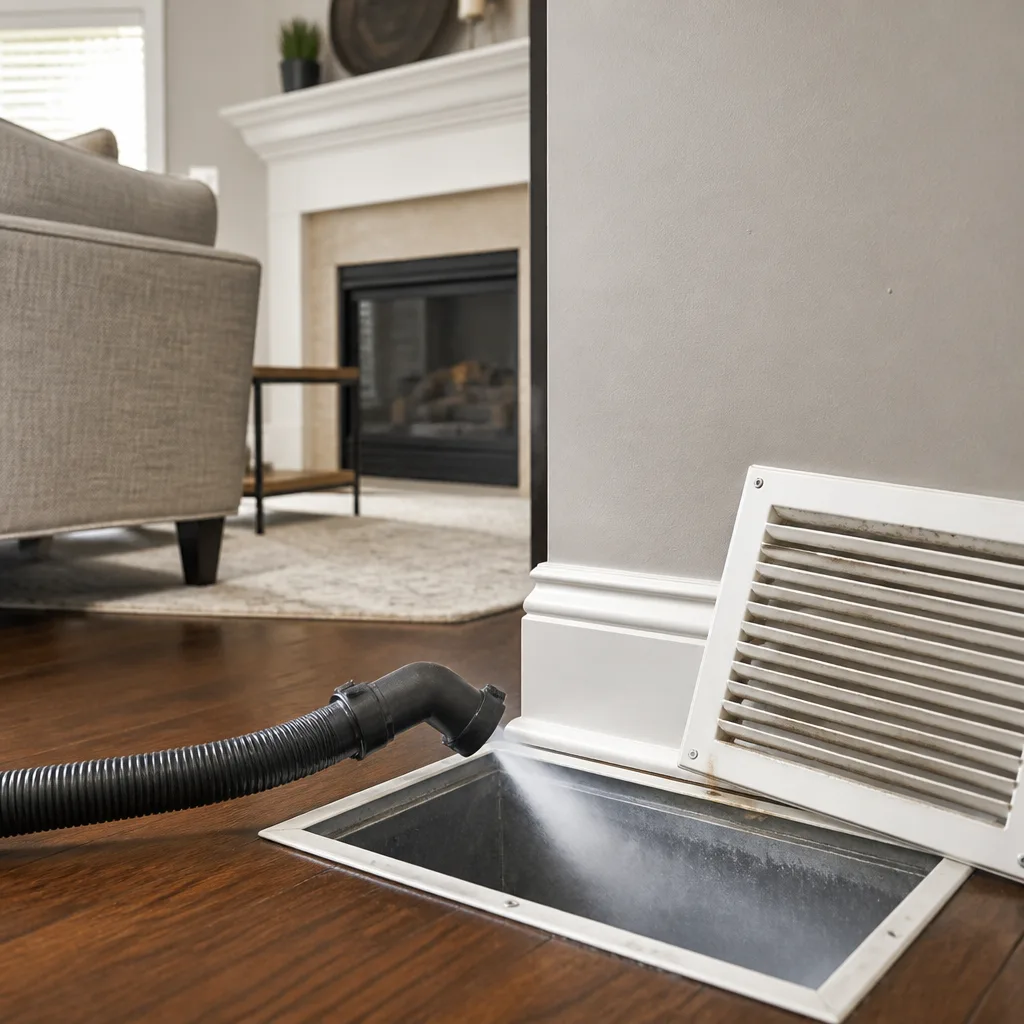 Sanitizing & deodorizing
Whole-system duct and dryer vent check with before-and-after photos - you see exactly what came out of your vents
That "$99 whole-house special" is a bait ad - the real number appears once they are in your hallway, or the "clean" is a shop-vac at the register. We photograph the inside of your ducts before and after instead.
Choosing the Right Air Duct Cleaning Brand: A Buyer’s Guide for Highlands
The most-advertised duct cleaning companies in Colorado are often franchise operations, and the brand name on the van tells you almost nothing about what happens inside your house. A franchise is a licensing arrangement. Equipment, training, and process vary by the individual owner running each location. So when you search for the best air duct cleaning company in Highlands CO, the logo you recognize is the least reliable signal in the results. What actually predicts a good outcome is duller and more useful: which vacuum and agitation systems the crew brings, whether anyone holds certification tied to the individual rather than the brand, and whether duct work is the whole business or a line item on an HVAC invoice. This guide walks through how to tell the difference.
Quick Answer
There is no franchise or national chain whose name guarantees a quality duct cleaning. Shop by specification instead: ask which equipment gets used, whether the provider holds NADCA membership and whether its technicians carry ASCS certification, and whether duct cleaning is the company’s core business. In Highlands, the practical answer is a local specialist with professional-grade equipment and documented process standards, not the biggest logo in the search results.
Styles & brands we work with
- Whole-home duct cleaning
- Dryer vent cleaning
- Camera inspection
- Sanitizing & deodorizing
Table of Contents
- What “Brand” Actually Means in Duct Cleaning
- Why Franchise Brands Don’t Standardize Equipment
- What Actually Transfers Across a Reputable Provider
- How to Evaluate a Local Independent Against a National Brand
- What Online Reviews Really Tell You
- Why Specialization Beats Brand
- The Questions to Ask Before You Book
- Duct Cleaning in Highlands: Local Considerations
What “Brand” Actually Means in Duct Cleaning
In most service categories, a recognizable brand stands behind a standard: the same training, the same tools, the same checklist at every location. Duct cleaning rarely works that way. A franchise agreement typically covers marketing, a name, and a business system. It doesn’t usually cover the vacuum unit in the truck, the agitation tools, or how thoroughly a technician cleans a trunk line versus a branch run.
That gap matters because duct cleaning quality is almost entirely a function of equipment and method. A source vacuum that can’t hold meaningful negative pressure in the system will leave dislodged debris where it started. A brush head sized for the wrong duct material can damage flex duct or leave the job unfinished. These are purchasing and training decisions made at the local level, and they’re the ones that determine whether the work is real.
We’ve watched this play out in our own market. Two companies carrying the same name can show up with fundamentally different rigs, and the homeowner has no way to tell from the website. The brand is a promise the location owner may or may not keep.
What this means for a buyer in Highlands: stop reading logos and start reading specifications. The next sections break down exactly which specifications matter and how to ask for them without sounding like you’re interrogating the crew.
Why Franchise Brands Don’t Standardize Equipment
A franchisee usually buys their own equipment. That single fact explains most of the variance in duct cleaning quality across a national brand. The parent company supplies a name and an operating model; the vacuum, the agitation tools, the air filtration equipment, and the technician training are the local owner’s call. Some invest heavily. Some buy the minimum to get started.
This isn’t a knock on franchise owners as people. It’s a structural observation. When equipment isn’t part of the franchise standard, it isn’t enforced, which means it drifts toward whatever the local market will tolerate. In a market where most homeowners can’t tell a Rotobrush system from a shop vac with a long hose, the pressure to underinvest is real.
Here’s how that shows up in practice:
- Vacuum capacity varies. A truck-mounted or high-capacity portable unit pulling real negative pressure behaves nothing like a small portable vacuum.
- Agitation tools vary. Rotary brush systems, compressed-air whips, and manual brushes suit different duct types; a crew that owns only one handles every house the same way.
- Containment varies. Some operations capture dislodged debris with HEPA filtration like Abatement Technologies units; others let it settle back into the system.
- Training varies. Certification is often voluntary and paid for by the individual or the local owner, not mandated by the brand.
The takeaway isn’t “avoid franchises.” It’s that the brand name is a starting point at best. The questions in the Questions to Ask section below are what actually separate one location from another.
What Actually Transfers Across a Reputable Provider
If brand names don’t transfer quality from one location to the next, what does? In our experience, three things travel reliably: organizational membership, individual certification, and documented process standards. Each attaches to something more specific than a logo.
NADCA membership belongs to the company, not to a brand. The National Air Duct Cleaners Association sets assessment, cleaning, and restoration standards that a member company agrees to work within. Check that the specific local company is a member, not that its franchisor mentions the association somewhere on a corporate page.
ASCS certification belongs to the individual technician. An Air Systems Cleaning Specialist has passed an exam on duct system assessment and cleaning practice. A brand can’t hold this certification; a person does. Ask whether the technicians who will actually be in your home carry it.
Documented process standards are what you can inspect before and after the visit. That includes a written scope that names what gets cleaned, before-and-after photos of your own ductwork, and a clear statement of how the system is put back together. When a provider volunteers these without being pushed, it’s a meaningful signal.
Here’s the useful test. If a company can show you membership, name its certified technicians, and hand you a scope of work before the appointment, the brand name stops mattering. If it can only point at a national website, you’ve learned something too.
How to Evaluate a Local Independent Against a National Brand
A local independent wins this comparison more often than people expect, and it comes down to incentives and equipment ownership. An independent’s reputation lives entirely in its own market. It can’t lean on a national ad budget or a recognizable sign. That usually means the equipment and training decisions are made with more care, because word of mouth in a place like Highlands is the whole marketing plan.
Run the comparison in this order:
- Ask what equipment comes to the house. Professional-grade systems used in commercial and restoration work, like Rotobrush and Nikro, behave differently from consumer-grade vacuums. Ask for the names.
- Ask who cleans the ducts. The technicians physically doing the work, not the company’s sales staff. Ask about their certification.
- Ask for the scope in writing. How many supply and return runs get cleaned, how registers get handled, and what the crew does if they find disconnected or damaged ductwork.
- Ask about repair capability. A provider that can seal and reconnect what it finds is worth more than one that cleans around the problem and leaves it.
- Ask how contamination is captured. Filtration equipment during the job keeps dislodged debris out of the living space.
Notice that none of these questions mention brand names. That’s deliberate. A national brand that answers all five well is a strong choice. A local independent that answers all five well is an equally strong one, and often a more accountable one.
When the work is done, a complete job often means more than moving dust. It can include air duct cleaning paired with repair and sealing so the system isn’t leaking conditioned air into a crawlspace the moment the crew leaves.
What Online Reviews Really Tell You
Reviews are useful, but not for the reason most buyers assume. A long list of five-star ratings tells you people were satisfied with their interaction. It doesn’t tell you whether the ducts were thoroughly cleaned, because most homeowners can’t verify that from the driveway. The review language is what carries the real information.
Sort for reviews that describe the work, not just the people. Language that signals substance:
- Mentions of before-and-after photos the customer was shown
- Descriptions of what was found, like disconnected runs or heavy buildup in a return
- References to the equipment used or the time the job took
- Comments about repair work completed in the same visit
Language that signals satisfaction without substance:
- Praise for friendliness alone, with no mention of the outcome
- “Fast and easy” without detail on what was cleaned
- Reviews that match a coupon offer word for word
That last category is worth flagging. In this industry, a low advertised price that grows into a much larger invoice on site is the most common complaint, and it usually shows up in reviews as a surprise at checkout. When you read a review, ask whether the person describes a price that held or one that changed.
We’ve noticed Highlands reviews tend to mention how the job handled the specific system in the house, which is more useful than generic praise. Read for method, not mood.
Why Specialization Beats Brand
A company whose entire business model is duct cleaning has a different relationship with its equipment than a general HVAC company offering cleaning as an add-on. The add-on company has to justify the expense of professional cleaning equipment against every other line of work it does. The specialist has no other line to fall back on. If the vacuum underperforms, there’s nothing else to sell.
That incentive structure pushes specialists toward better equipment maintenance, more frequent replacement, and more technician training. It also pushes them toward scope: a specialist can afford to offer dryer vent cleaning as its own service line rather than a bundled upsell, because lint accumulation in a dryer vent is a leading cause of residential fires and deserves a dedicated method. A specialist can also offer HVAC cleaning as a distinct scope that treats the air handler and coil, not just the ducts, because the system’s air quality depends on all of it working together.
That’s the ecosystem argument, and it’s practical rather than abstract. Cleaning ducts without addressing a leaky return or a loaded coil produces a cleaner duct and the same indoor air. The companies structured around indoor air quality as a whole tend to understand the system interactions that general contractors treat as someone else’s problem.
If you want to test this, ask a company what it does about filtration after the cleaning. A specialist has an answer, and it often involves recommending hardware like Honeywell or Aprilaire filtration and protection systems for the long term, not just a one-time clean.
The Questions to Ask Before You Book
Bring this list to the call. It’s a numbered sequence you can read straight down, and the answers will tell you more than any brochure. We’ve kept each question short because the point is to hear the provider answer, not to make them recite a script.
- Which vacuum and agitation systems will you bring? If they can’t name professional-grade equipment, that’s information.
- Who does the actual cleaning, and are they certified? Ask about ASCS certification and NADCA membership for the company.
- What’s included in the written scope? Supply runs, return runs, registers, and the air handler.
- How do you contain dislodged debris during the job? Look for filtration equipment used on site.
- Can you repair and seal what you find? Disconnected or damaged ducts are common, and a provider that can fix them during the visit saves you a second contractor.
- Will I see photos of my own ductwork before and after? This is how you verify the work was actually done, not just described.
- How is the price set? Ask whether it’s per system, and whether the written estimate is the final price.
One flat price per system, agreed before work starts, is the structure that protects you from the bait-and-switch pattern this industry is known for. A provider who answers these seven and puts the scope in writing is worth more than any recognizable logo.
Duct Cleaning in Highlands: Local Considerations
Highlands sits in Colorado, which means the duct systems here live through a heating-dominated climate. That has practical effects on what a cleaning visit should address. Long heating seasons mean the system runs more hours, pulling air through the ducts and filter more often. Drier air and seasonal dust movement mean returns and registers collect material steadily. When the furnace or heat pump runs hard for months, the dust load in the system builds faster than in a mild climate.
Home construction in the Highlands area also matters. Older homes often have duct systems that were altered or extended as rooms were added, which can leave disconnected runs or poorly sealed joints hidden in walls and crawlspaces. Newer construction can have flex duct that’s easy to crush or kink during installation. Both cases call for a provider who can seal and repair, not just clean.
Odor from a nearby wildfire season can push smoke particles and soot through a leaking duct system and into the living space. That’s one reason a duct cleaning visit that ends with sealing is worth more here than a straight cleaning. Sanitizing and treatment afterward, with guardsman-backed options, addresses the surfaces rather than just the airflow.
If you’re choosing a provider in Highlands, the local considerations should shape the questions you ask. Ask about repair capability. Ask about filtration. Ask what the crew does when it finds a run that isn’t connected. A company that answers those in detail understands the market. One that only talks about price doesn’t.
Our own view is straightforward: a provider that buys professional equipment for the local climate and can repair what it finds is the one worth booking. That’s the position a specialist holds in Highlands, and it’s what we’ve built our menu around.
Common Mistakes to Avoid
- Choosing by logo. A national brand name is licensing, not a standard. Two locations of the same franchise can run different equipment, and the name tells you nothing about which one you’re calling.
- Booking on the lowest advertised price. In this industry, a low teaser price is the setup for a larger invoice once the crew is inside. Ask for a flat price per system in writing.
- Skipping the certification question. NADCA membership and ASCS certification are specific and checkable. If a provider can’t confirm either, you’ve learned something about their investment in training.
- Cleaning without asking about repair. A crew that cleans around a disconnected return leaves the problem in place. Ask up front whether they seal and reconnect what they find.
- Ignoring the dryer vent. Lint buildup in a dryer vent is a leading cause of residential fires, and it’s often skipped or rushed. If a provider treats it as an afterthought, that tells you about the rest of the visit too.
- Not asking for photos. Before-and-after photos of your own ducts are the only way to verify the work without climbing into the crawlspace. A provider who won’t show them is hiding the outcome.
- Assuming the HVAC company will handle it. An HVAC contractor whose main business is repair has little incentive to invest in duct cleaning equipment. Specialists exist for a reason.
See the difference
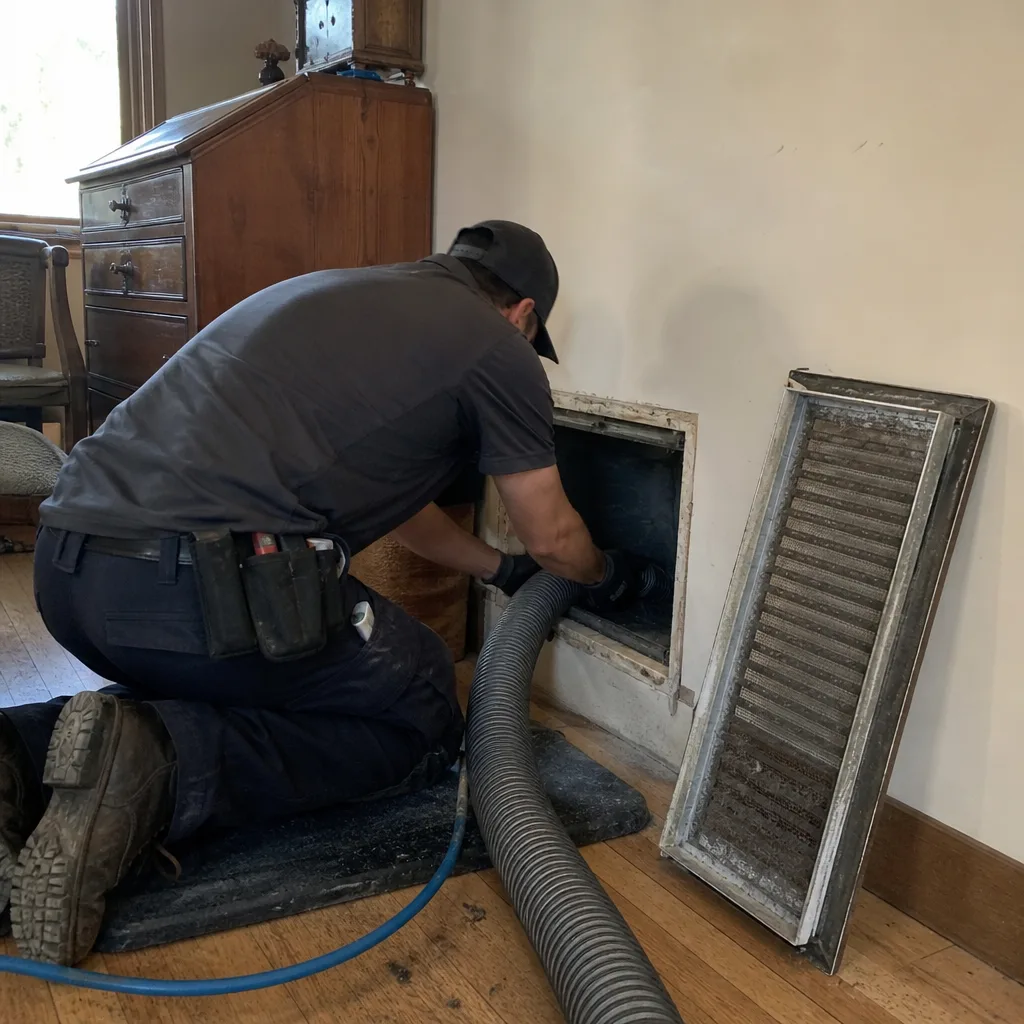 Before
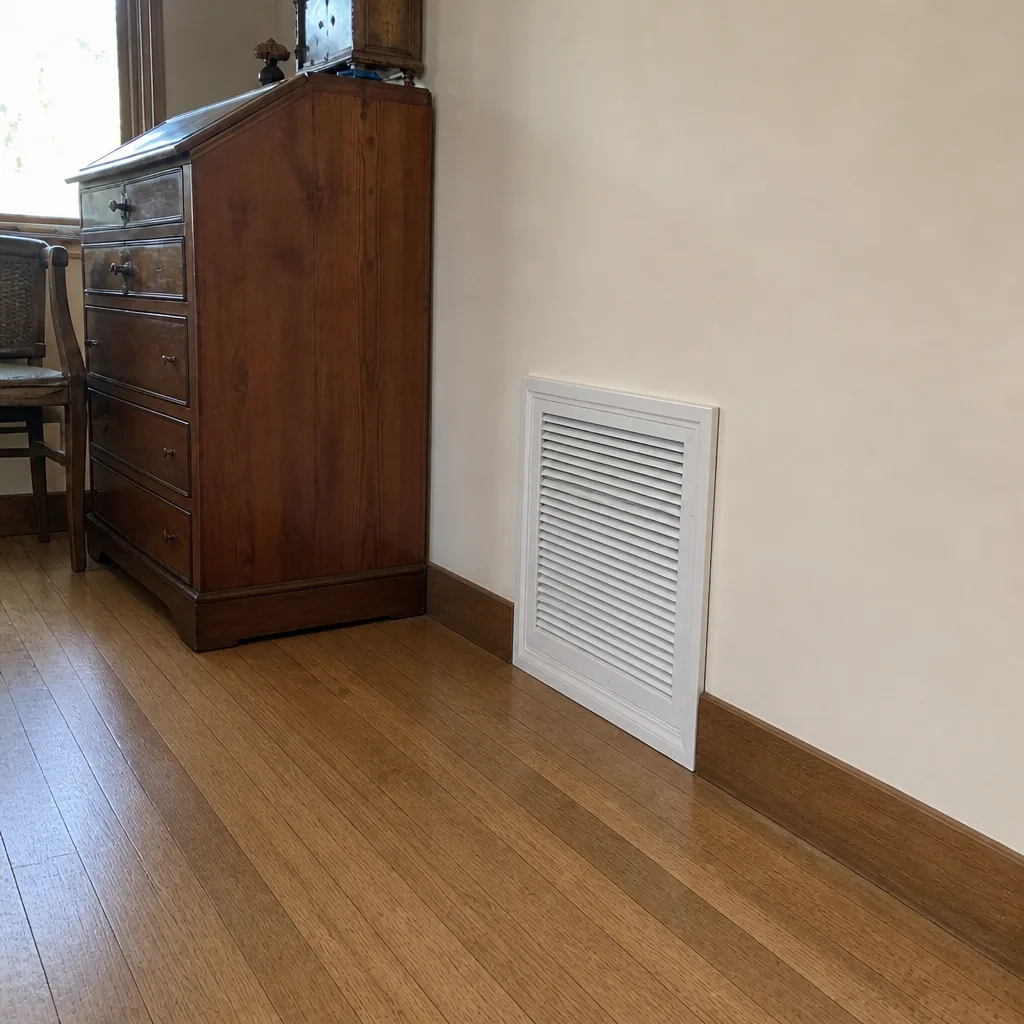 After
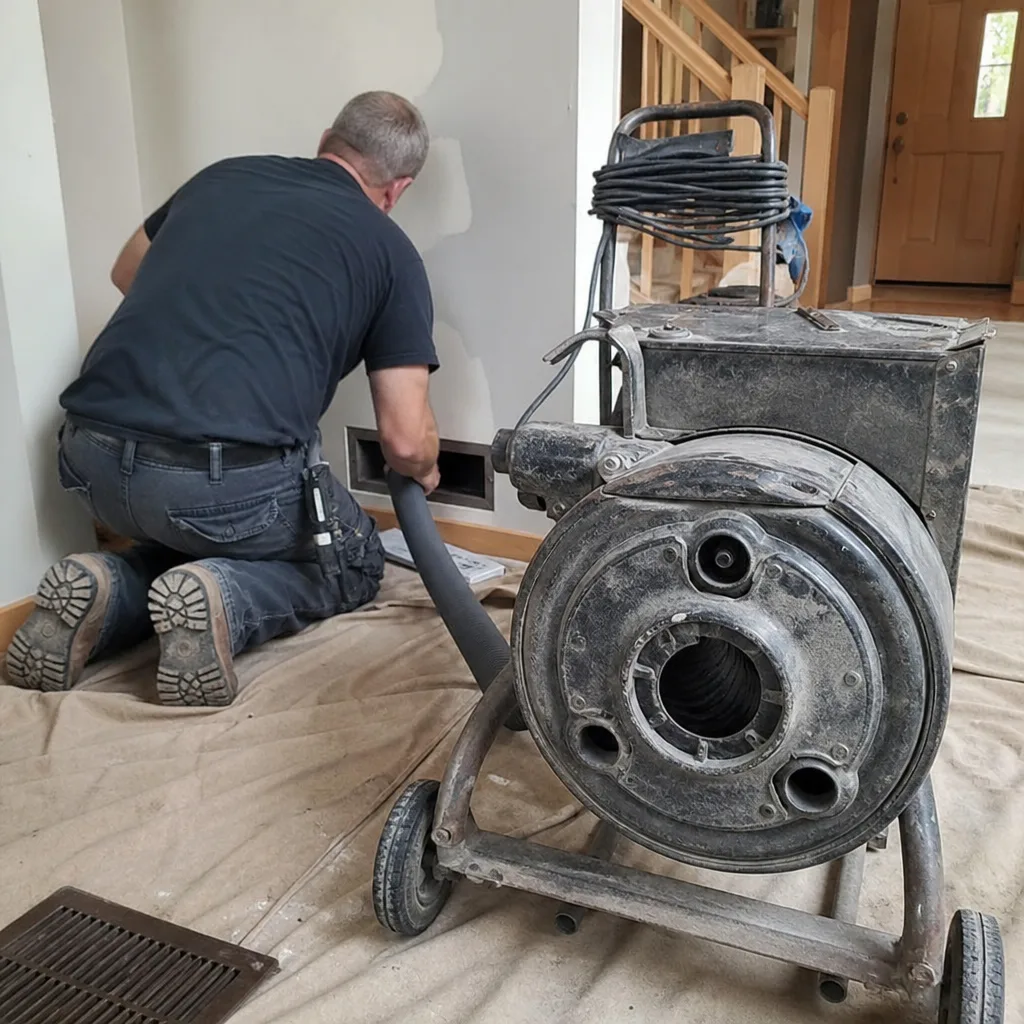 Before
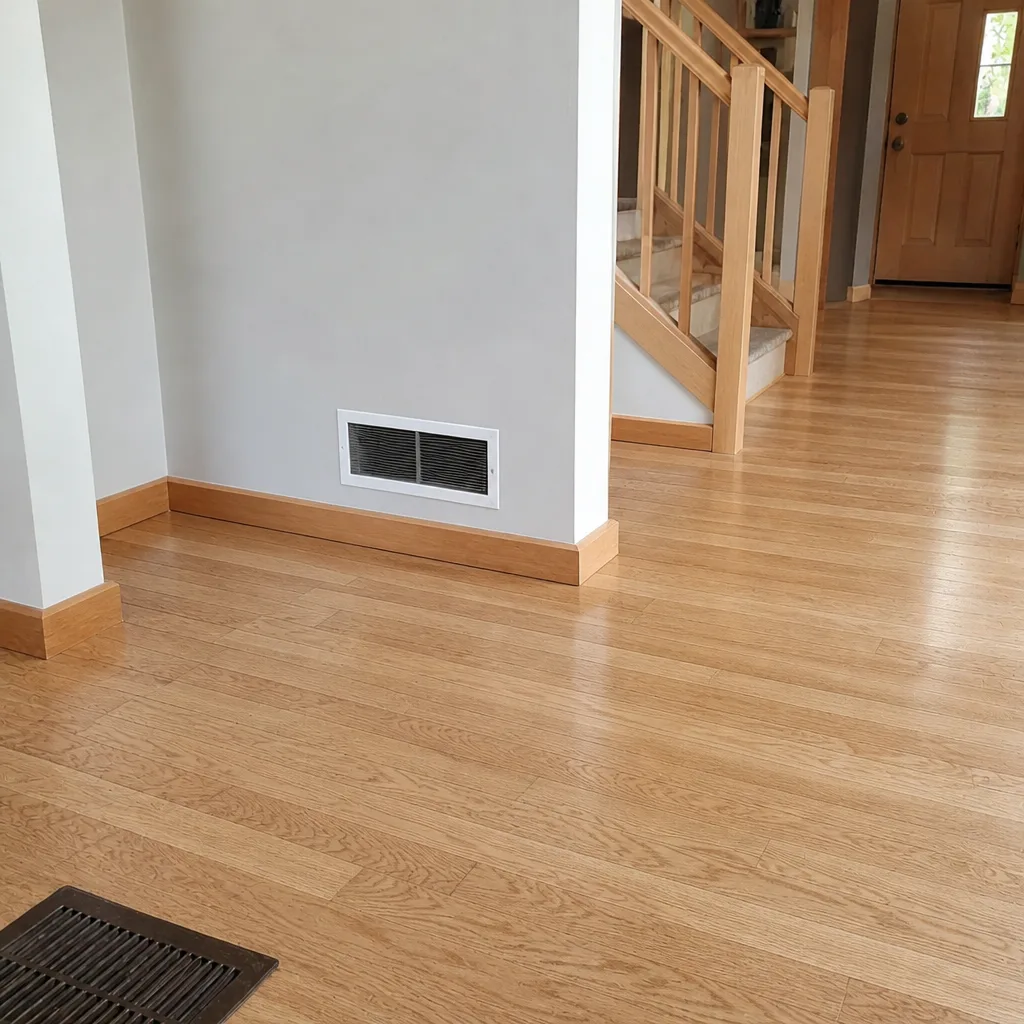 After
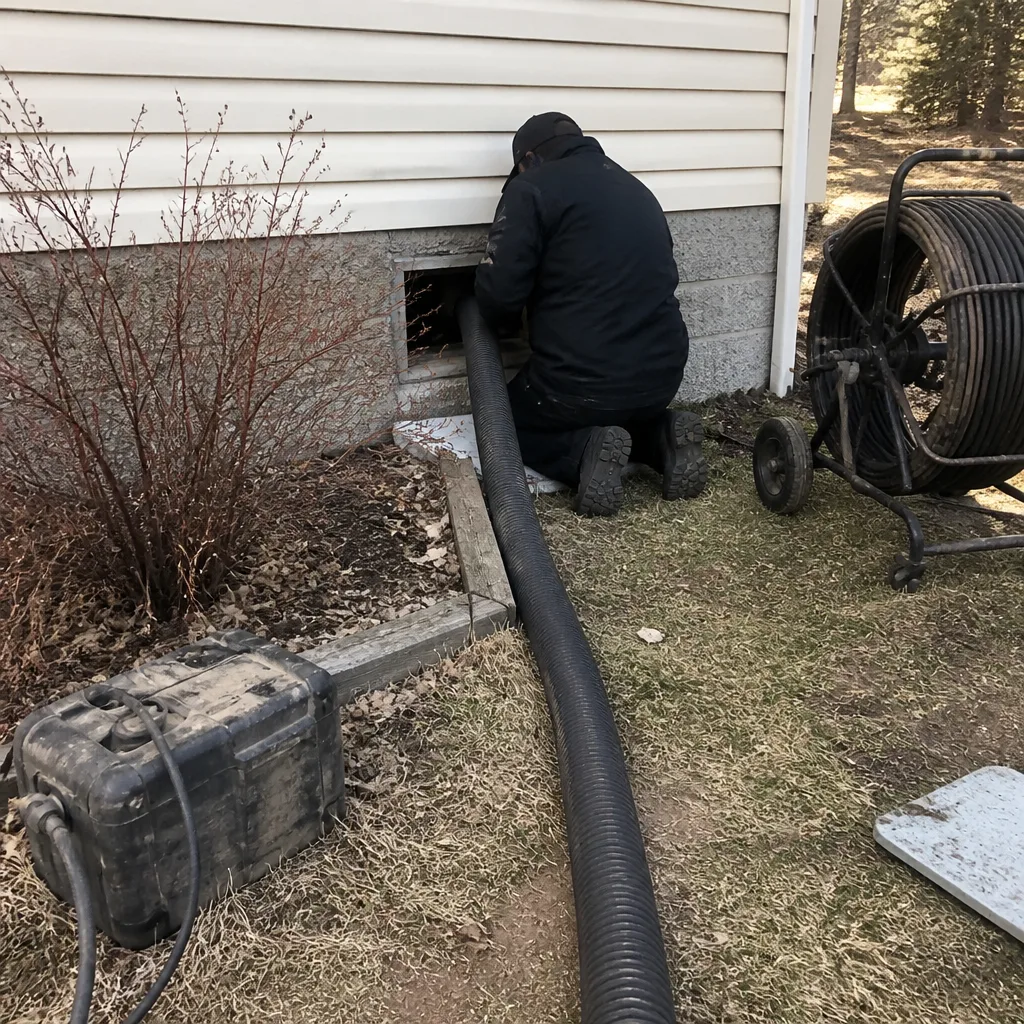 Before
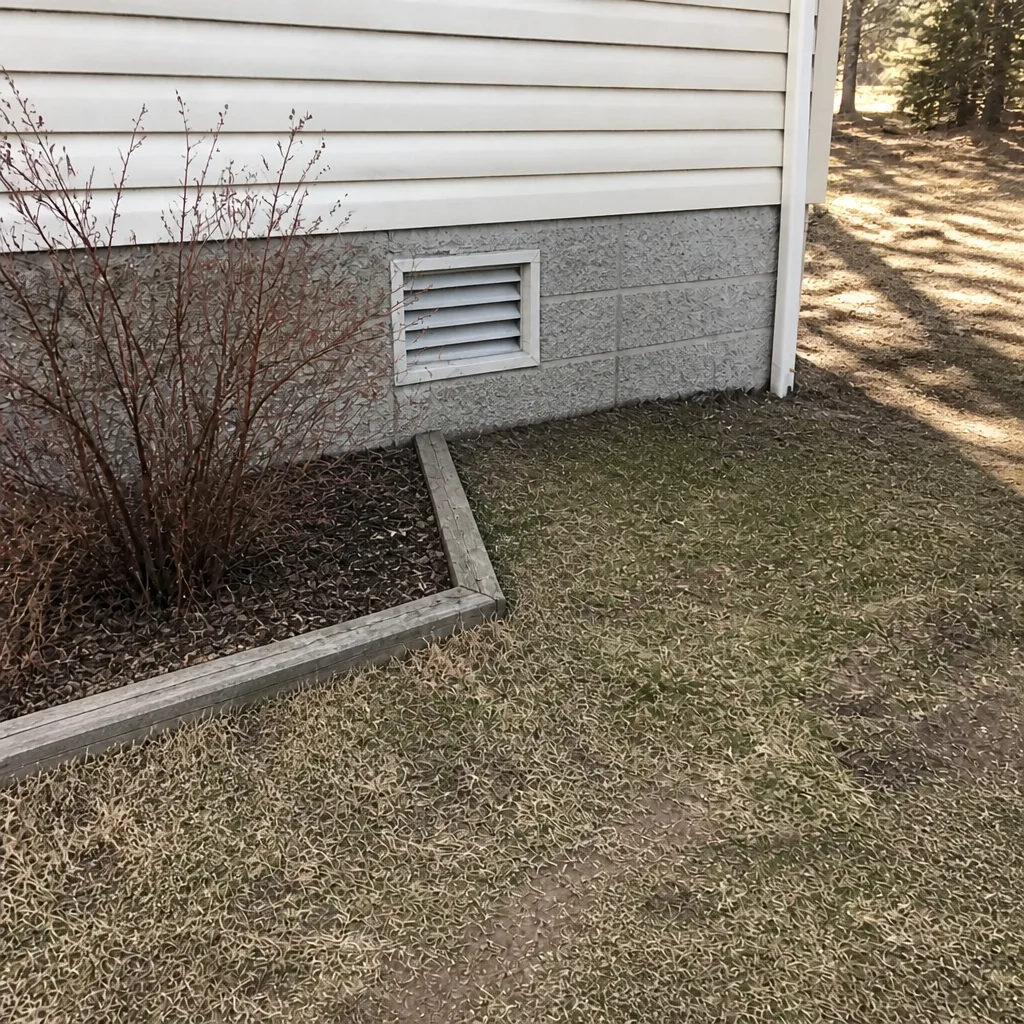 After
When to Call a Professional
Some signs mean a duct system needs attention now. Visible dust puffing from a register when the heat kicks on. Persistent dust on surfaces after cleaning. A musty or smoky smell that shows up only when the system runs. Uneven airflow between rooms, which often points to a disconnected or crushed run. A dryer that takes far longer than it should to dry a load, which can indicate a restricted vent. Or a recent renovation that left drywall dust in the return.
In Highlands, wildfire season can also push smoke into a leaking system, and a cleaning visit followed by sealing can make a real difference. If any of those signs sound familiar, it’s worth walking through the questions above with a specialist rather than waiting another season. Air Duct Cleaning Highlands offers free estimates in Highlands. Call (855) 658-5079. We answer 24/7. Fast dispatch from 7am to 7pm, Sunday through Friday.
Frequently Asked Questions
Not as much as the equipment and the technician certification behind the job. A familiar logo tells you the company paid for a name, not that the crew brings professional-grade equipment or holds ASCS certification. In our experience, ask about equipment, certification, and scope instead.
Look for NADCA membership at the company level and ASCS certification on the individual technician. NADCA sets the assessment and cleaning standards a member company agrees to work within. ASCS certification belongs to a person who passed an exam on duct system cleaning, so ask who will actually be in your home.
Either can be excellent, and the deciding factor is the same for both: equipment ownership, certification, and scope. A local independent’s reputation depends entirely on its own market, which usually pushes toward better equipment maintenance. A franchise location that answers those questions well is a strong choice. Call (855) 658-5079 for an exact quote if you’d like to compare.
Ask for before-and-after photos of your own ductwork, and a written scope that names what gets cleaned. A provider who shows both without being pushed is giving you the proof that the work matched the pitch. Photos are the only verification most homeowners can get without getting into the crawlspace.
Lower quotes usually reflect lower equipment investment, less thorough scope, or an intent to add charges once the crew is on site. A flat price per system agreed before work starts is the structure that protects you. The written estimate sets the final price, and that’s what you should ask for. Call (855) 658-5079 for an exact quote. Estimates are free.
There’s no single schedule that fits every home, but a heating-dominated climate like Highlands runs the system more hours, which builds dust load faster. Homes with pets, recent renovation, or a leaky duct system tend to need attention sooner. Walk through the signs listed above and book when they show up. Call (855) 658-5079 for an exact quote.
The Bottom Line
In duct cleaning, the brand on the van is the least useful thing you can evaluate. What determines the outcome is the equipment that arrives, the certification held by the technician doing the work, and whether the provider cleans and repairs the system rather than around it. A local specialist with professional-grade equipment and a written scope beats a recognizable name coasting on recognition. That’s the case we make in Highlands, and it’s the one worth testing on your next call. Air Duct Cleaning Highlands offers free estimates in Highlands. Call (855) 658-5079. We answer 24/7. Fast dispatch from 7am to 7pm, Sunday through Friday.
Written by the team at Air Duct Cleaning Highlands.