
Last updated November 23, 2026
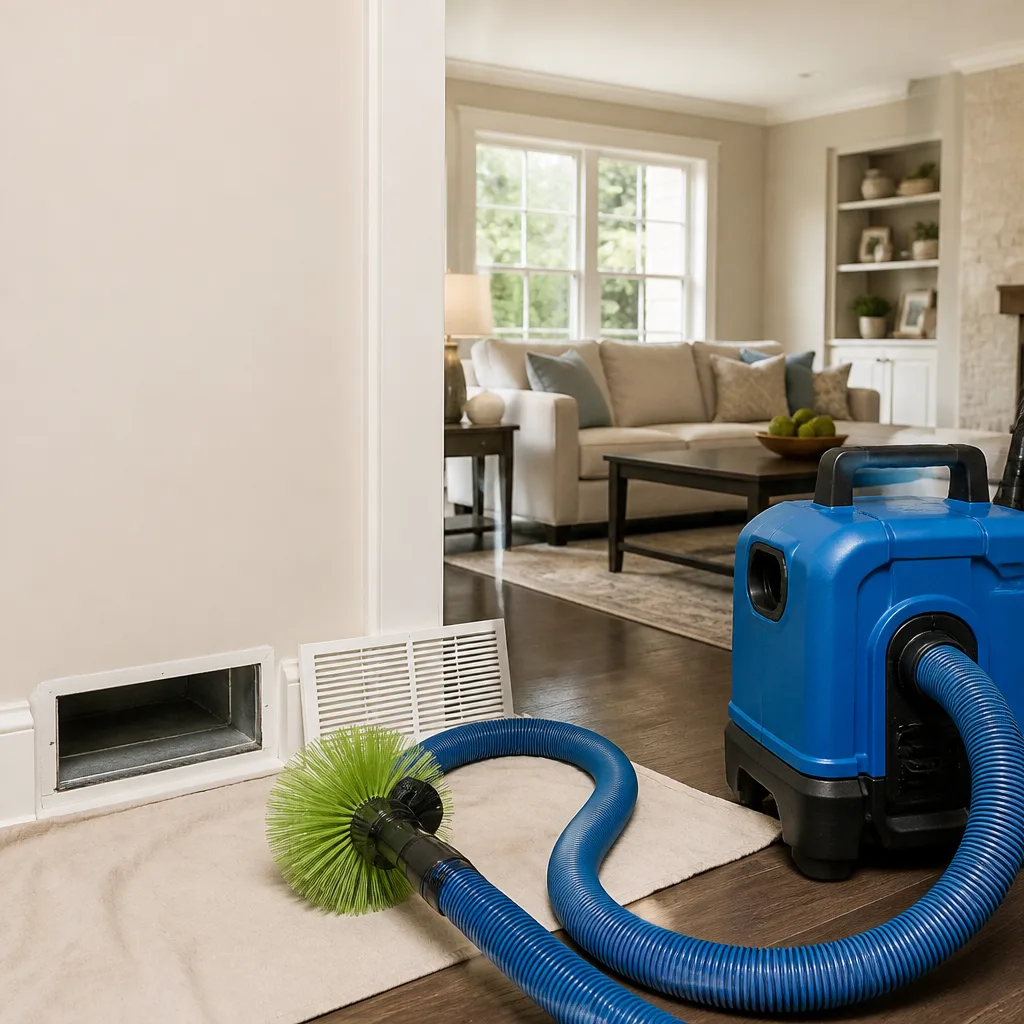 Whole-home duct cleaning
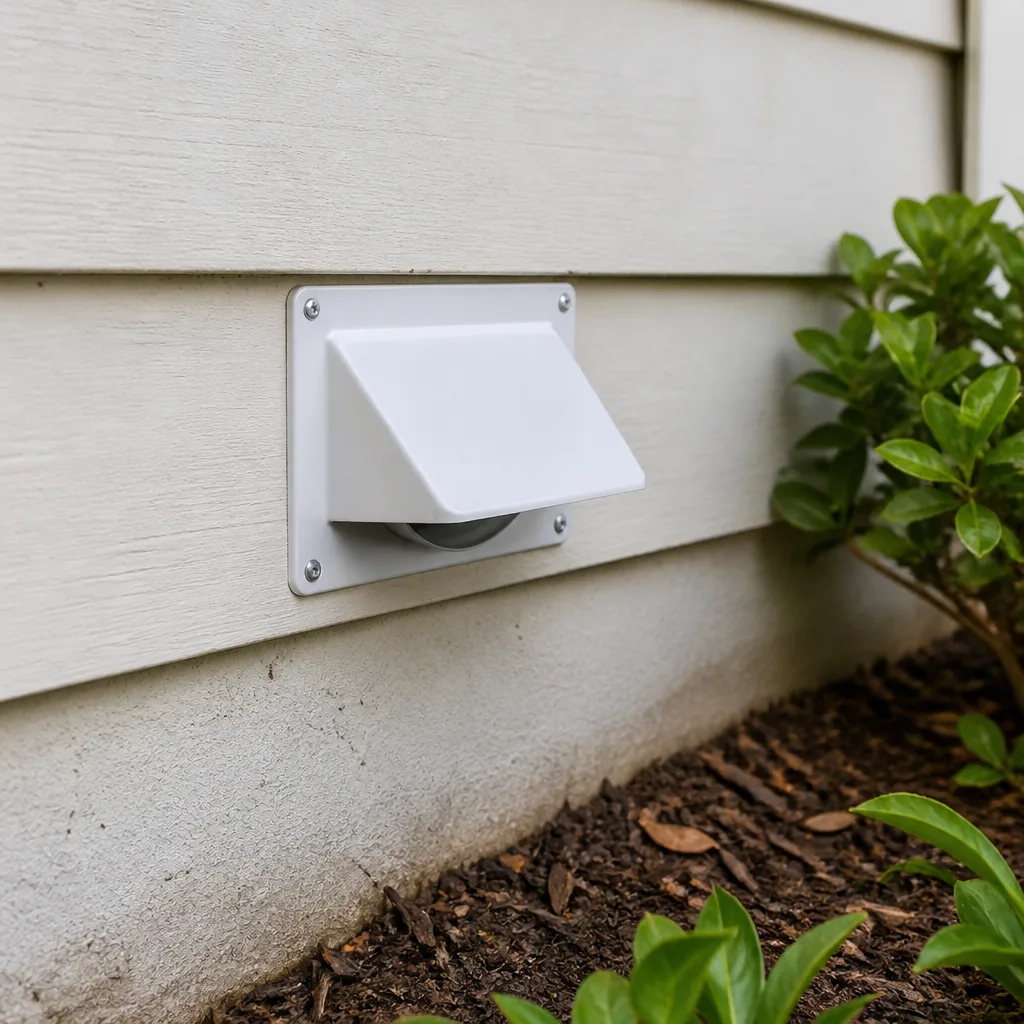 Dryer vent cleaning
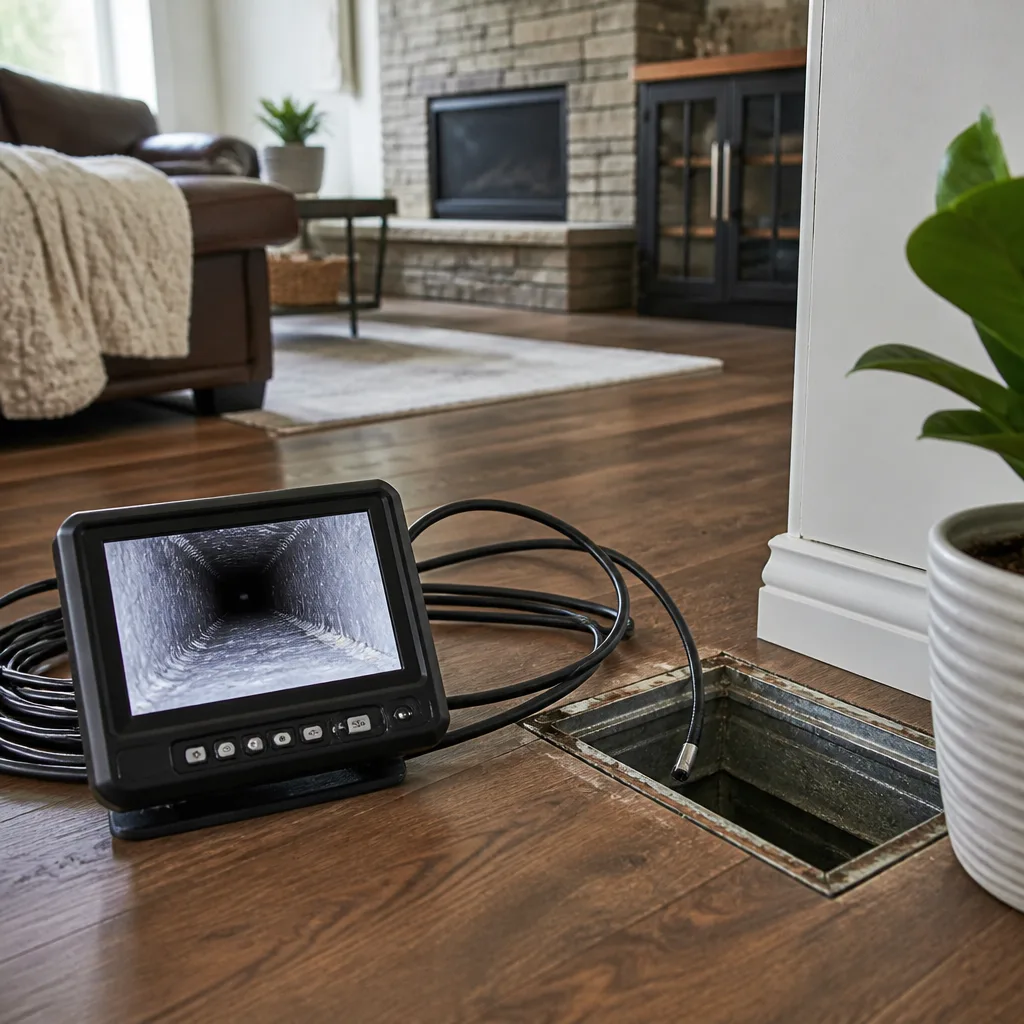 Camera inspection
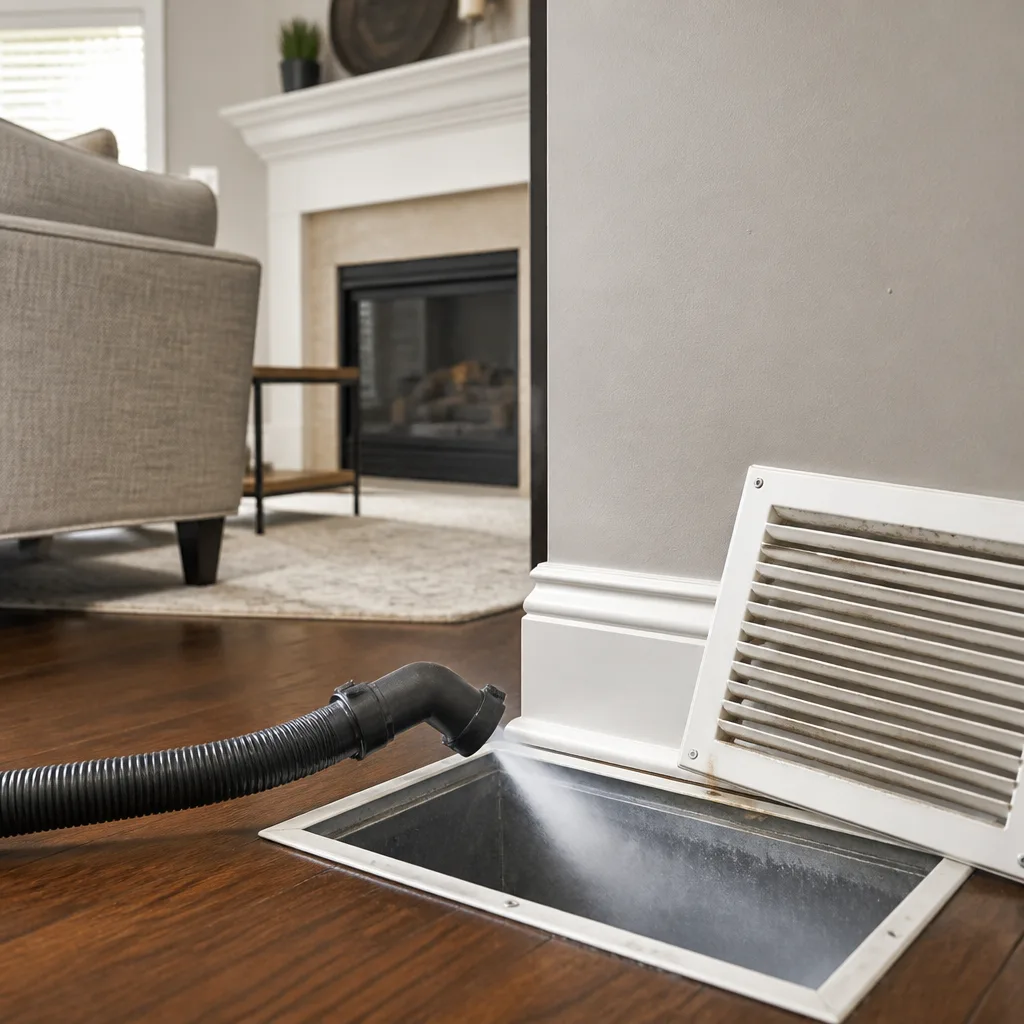 Sanitizing & deodorizing
Whole-system duct and dryer vent check with before-and-after photos - you see exactly what came out of your vents
That "$99 whole-house special" is a bait ad - the real number appears once they are in your hallway, or the "clean" is a shop-vac at the register. We photograph the inside of your ducts before and after instead.
Air Duct Cleaning Permits, Codes & Inspections in Highlands, CO: What You Need to Know
Here’s a fact that surprises most homeowners in Highlands: the act of cleaning ducts usually needs no permit at all. But the work that rides alongside it often does. The moment a contractor seals duct joints with mastic, cuts a new access panel, sprays an antimicrobial coating, or addresses mold growth inside the system, you’ve stepped into a regulatory framework that few people on either side of the transaction understand. Over the next few thousand words we’ll map where those lines fall in Colorado, what disclosure you’re entitled to ask for, and when a third-party inspection actually protects you. Read this before you sign anything.
Quick Answer
Plain mechanical air duct cleaning in Highlands generally does not require a permit, because it’s classified as routine maintenance rather than new construction or system modification. However, duct sealing, cutting or modifying access panels, mold remediation inside ductwork, and any work that alters the HVAC system’s structure can trigger local permitting or require licensed professionals. Any biocide, sealant, or antimicrobial product applied inside your ducts must be EPA-registered and disclosed to you in writing. When in doubt, ask to see documentation before work starts.
Styles & brands we work with
- Whole-home duct cleaning
- Dryer vent cleaning
- Camera inspection
- Sanitizing & deodorizing
Table of Contents
- Does Air Duct Cleaning Require a Permit in Colorado?
- Maintenance vs. Modification: Where the Line Falls
- Mold Inside Ductwork and CDPHE Guidelines
- EPA Registration and Chemical Disclosure
- HOA and Rental Property Rules in Highlands
- When a Third-Party Inspection Makes Sense
- Ductwork Inspections in Real Estate Transactions
- What Documentation to Keep After the Work
Does Air Duct Cleaning Require a Permit in Colorado?
No, routine air duct cleaning in Colorado typically doesn’t require a permit. Cleaning is considered maintenance of an existing system, and Colorado’s statewide building code doesn’t treat maintenance as new work that needs plan review or inspection. That’s the short answer, and it’s accurate for the vast majority of homes in Highlands.
What complicates matters is that cleaning rarely happens in isolation. Duct cleaning often uncovers problems that require a permit, and homeowners don’t always realize that the “cleaning” they paid for actually involved modifications that should have been permitted. In our experience, the gaps show up in three areas:
- Access panel installation: Cutting new access holes into rigid ductwork to reach inaccessible runs is sometimes necessary to do the cleaning properly. This is minor, but it’s a physical alteration to the HVAC system and may fall under local mechanical code provisions.
- Duct sealing: Applying mastic or sealant to close leaks changes the system’s air distribution profile. Larger sealing projects, especially those that alter the system’s balance, can require permitting or professional HVAC involvement.
- Component replacement: If cleaning uncovers damaged flex duct, disconnected joints, or a failing register boot, replacing those components is repair work, not cleaning. Repairs fall under mechanical code.
Colorado’s mechanical code adopts the International Mechanical Code with state amendments, and the practical question is whether the work you’re paying for is genuinely “maintenance” or “modification.” If a contractor tells you they’re going to cut into your ducts or replace sections, ask whether a permit is needed. The answer will depend on the specific work and your local building department’s interpretation. Highlands-area homeowners should contact the relevant municipal authority before any structural duct changes, and a good contractor will help you make that call.
If you want to understand what a thorough cleaning looks like when no modification is involved, our guide to air duct cleaning walks through the mechanical process step by step.
Maintenance vs. Modification: Where the Line Falls
The distinction between maintenance and modification is the single most useful concept in this entire guide, because it’s what determines whether permits, inspections, or additional licensing come into play. Get this wrong and you can end up with unpermitted work on your record, which becomes a headache during a future sale.
Here’s how to think about it:
- Pure cleaning stays in the maintenance category. Agitating duct surfaces with mechanical equipment, pulling dislodged debris into a HEPA-filtered vacuum, and cleaning registers, grilles, and the air handler cabinet don’t change the system’s structure or capacity. No permit.
- Reversible cleaning accessories also stay in maintenance. Removing and reinstalling a register cover, cleaning a return grille, or accessing the plenum through an existing opening doesn’t modify anything permanent.
- Anything that changes the physical duct system crosses into modification. New penetrations, replaced duct sections, and installed components are alterations. These fall under mechanical code, and many jurisdictions require a permit for ductwork modifications above a certain scope.
- Anything that changes air distribution also crosses the line. Duct sealing that alters airflow to specific rooms, adding dampers, or reconfiguring a junction requires more careful review, because the system now behaves differently than the original design intended.
We’ve seen the practical consequence of getting this wrong: a homeowner commissions cleaning, the contractor finds disconnected flex duct in the attic, and instead of documenting it as a repair requiring code compliance, the contractor tapes it together and moves on. It seems helpful in the moment. Years later, when an inspector or buyer’s agent asks about the HVAC system’s history, there’s nothing to show and a questionable repair nobody can verify.
The professional approach is to identify the problem, tell the homeowner clearly that it’s a repair rather than maintenance, and explain the code implications. Fixing what we find means doing so correctly, not quietly. Cleaning a system and then covering for its defects isn’t cleaning at all.
Mold Inside Ductwork and CDPHE Guidelines
If a duct inspection turns up visible mold growth inside the system, you’re no longer looking at a cleaning job. You’re looking at remediation, and remediation has its own rules. Colorado doesn’t issue a specific contractor license for mold remediation the way some states do, but the Colorado Department of Public Health and Environment (CDPHE) publishes guidance that establishes best practices. That guidance follows national standards, including those from the EPA and the Institute of Inspection, Cleaning and Restoration Certification (IICRC).
The practical upshot for Highlands homeowners comes down to a few principles:
- Cleaning doesn’t equal remediation. A duct cleaner removes accumulated debris. A mold remediation professional addresses the source of moisture, removes contaminated material, and verifies the result through post-remediation testing. These are different scopes of work.
- Moisture is the root cause. Ducts don’t grow mold without moisture. If a cleaning company finds mold and simply sprays it without finding the source, you’ll be dealing with the same problem in a few months. Look for a contractor who addresses the moisture first.
- Large-area contamination typically calls for a licensed remediator. When contamination covers significant surface area inside the duct system, most industry guidance recommends involving a professional trained in remediation protocols. The threshold varies, but anything beyond a small, isolated patch usually warrants professional remediation, not just cleaning.
- CDPHE guidance aligns with national standards rather than state-specific rules. That means you’re relying on a contractor’s adherence to best practice rather than a state inspector checking their work. Ask about their process before hiring.
Homeowners in Highlands often have evaporative coolers and humidification systems, both of which add moisture to the air supply. Any duct system tied to these systems deserves a moisture check during cleaning. Remediation isn’t included in a standard cleaning and should always be quoted separately after inspection, with the moisture source identified in the scope.
EPA Registration and Chemical Disclosure
Here’s the specific point that trips up homeowners and contractors alike: any product applied inside your ductwork designed to kill or inhibit organisms must be registered with the U.S. Environmental Protection Agency under the Federal Insecticide, Fungicide, and Rodenticide Act (FIFRA). Applying an unregistered antimicrobial, biocide, or “sanitizing fog” inside ducts is a violation of federal law, and in Colorado, it can also run afoul of state pesticide application rules.
What does that mean in practice for you?
- Ask for product names and registration numbers before work begins. Any legitimate antimicrobial or sanitizing product will have an EPA registration number on the label. If a contractor can’t supply it, that’s a red flag.
- Confirm application disclosure is in writing. The written scope of work should specify not just that “sanitizing” will occur, but what product will be used and where. Verbal assurances don’t protect you.
- Ask which applicator certifications the technician holds. Some states, and some products’ labels themselves, require application by a certified or licensed pesticide applicator. Product labels spell out these requirements.
- Understand what’s cosmetic vs. functional. The EPA has stated that antimicrobial products used in ducts have limited residual effectiveness, and won’t fix a contamination problem rooted in moisture. Sanitizing after cleaning is often a cosmetic service that sounds more comprehensive than it is.
We mention this because it’s easy to lose sight of: the coatings and sanitizers used in the trade are often applied with a casualness that doesn’t match their legal status. If someone tells you they’re going to “spray something in your ducts to kill everything,” your next question should be which product, and your question after that should be where the safety data sheet is. A contractor who uses Guardsman or comparable products should be able to hand you the paperwork without being asked twice.
HOA and Rental Property Rules in Highlands
Colorado’s statewide code establishes a floor, not a ceiling. Some Highlands-area communities and HOAs layer additional rules on top of it, particularly around exterior penetrations, mechanical equipment visibility, and contractor access to shared spaces. If you live in a planned community, townhome association, or condo building, it’s worth checking your governing documents before work begins.
Specific things homeowners and property managers in Highlands should confirm:
- Contractor access to attics and shared chases. Many Highlands homes have HVAC equipment or duct runs in attic spaces accessible only through adjacent units or shared common areas. Confirm with your HOA whether you’re permitted to allow a contractor into those spaces.
- Exterior vent terminations. Dryer vents, bathroom exhausts, and fresh air intakes often terminate on exterior walls that are subject to HOA design review. Modifying a termination location may require approval.
- Rental property compliance. If you rent out a Highlands property, duct and dryer vent cleaning should be part of your maintenance cycle, and the work should be documented. Tenants have legitimate reasons to request documentation, and having it on hand prevents disputes. If you own a rental and haven’t checked the dryer vent in a while, our guide to dryer vent cleaning covers why that particular vent deserves regular attention.
- Rules around equipment in common areas. Larger cleaning setups sometimes need space for truck-mounted or portable equipment. HOAs vary on whether contractor vehicles can stage in fire lanes, visitor spaces, or shared driveways.
For property managers overseeing multiple Highlands properties, a written HVAC maintenance and documentation policy is worth the effort. It standardizes what gets cleaned, when, by whom, and what records get kept. It’s also the difference between a well-managed property and one where every service call is a fresh discovery.
When a Third-Party Inspection Makes Sense
Most homeowners never need an independent inspection after a duct cleaning. If the work was thorough, the contractor provided photos, and the system isn’t exhibiting ongoing problem signs, you’re fine. But there are specific situations where an independent assessment by a third-party indoor air quality (IAQ) professional is a genuinely smart move.
Those situations include:
- Post-remediation verification. After mold remediation, independent testing confirms the remediation actually succeeded. The testing should be done by someone who wasn’t involved in the remediation itself, so there’s no conflict of interest.
- Ongoing symptoms after cleaning. If occupants are still experiencing respiratory irritation, allergies, or persistent odors after a thorough cleaning, the cause may not be in the ducts at all. An IAQ professional can test for pollutants originating elsewhere.
- Real estate transactions. Buyers and sellers both benefit from a documented baseline. We’ll cover this in the next section.
- Insurance claims. If you’re making an insurance claim related to smoke, water, or biological contamination, the adjuster will often want an independent inspection to confirm the scope of work. Don’t commission the inspection from the same company that’s doing the remediation.
- Litigation or legal dispute. Occasionally, disputes between homeowners, HOAs, or contractors require third-party assessment. Hire someone independent of both parties.
What a third-party inspector won’t do is tell you whether the cleaning itself was performed well. That’s a judgment made from before-and-after documentation, which we’ll discuss in the next section. The inspection is about the air quality, not the cleaning technique. For a thorough overview of what a proper cleaning includes and how to verify it was done, our HVAC cleaning guide covers the documentation side in detail.
Ductwork Inspections in Real Estate Transactions
Highlands is an active real estate market, and ductwork disclosure comes up regularly during transactions. Buyers want to know the condition of the HVAC system. Sellers want to demonstrate that it’s been maintained. And both sides benefit from a clear record.
Here’s a practical sequence for anyone buying or selling a Highlands home with questions about the ducts:
- Request service records first. A seller who’s had regular cleaning should have invoices and photos on file. Ask for them before commissioning new work.
- Commission a duct cleaning if records don’t exist. Not because the ducts are necessarily dirty, but because it establishes a baseline and gives you a documentation trail beginning on the date you own the property.
- Photograph the pre-cleaning condition and the post-cleaning result. Both sets of photos should show identifiable components of the system, not just generic duct interiors. A responsible contractor will provide these automatically.
- Escalate to an IAQ inspection only if the cleaning reveals problems. If visible mold, pest activity, or disconnected ductwork turns up, arrange for a qualified professional to assess and quote the remediation. Don’t let the cleaning company that found the problem be the sole source of judgment about its scope.
- Escrow for remediation if necessary. In some transactions, it’s cleaner to negotiate a credit at closing than to attempt remediation weeks before a sale. Consult your real estate agent and attorney.
Sellers have a separate reason to know the condition of their ducts: disclosure obligations. Colorado’s seller disclosure requirements broadly cover material defects in the property, and a seller who’s aware of a documented HVAC problem can’t simply omit it. A pre-listing cleaning with proper documentation is often the cleanest path, both for the seller’s protection and the buyer’s confidence.
What Documentation to Keep After the Work
Whatever the work involved (cleaning, sealing, repair, or remediation), documentation is what protects you. It’s also the most under-served part of this industry. Plenty of contractors do solid cleaning but hand the homeowner nothing beyond an invoice with a dollar figure on it. If that happens, ask for more. You’re entitled to it.
Here’s what a complete documentation package should include:
- Before-and-after photographs of the interior of the ducts, showing identifiable components of your specific system.
- Written scope of work describing exactly what was cleaned, what was accessed, and what wasn’t.
- Product disclosure if any sanitizer, sealant, or coating was applied, including product names, EPA registration numbers, and application locations.
- Findings report listing any damage, mold, pest activity, or improperly connected ductwork discovered during the service, with recommendations.
- Invoice with itemized line items reflecting the agreed-upon scope, not generic “duct cleaning services” wording.
- Any permits or inspection records if a permit was pulled. Photocopy these for your records, because permit records held by the issuing authority are not always easy to retrieve years later.
For property managers and rental owners in Highlands, a dedicated file per property, organized by service date, makes future due diligence enormously easier. When you’re selling or refinancing, you’ll thank yourself for the foresight.
Common Mistakes to Avoid
- Assuming cleaning never requires a permit when it might. The cleaning itself probably doesn’t, but the sealing, repair, or access panel work that accompanies it sometimes does. Ask the contractor to be explicit about what work will be performed and whether any of it crosses into modification.
- Accepting an unregistered antimicrobial spray without paperwork. Any product applied inside ducts to inhibit organisms should be EPA-registered. Ask for the product name and registration number, and don’t take “it’s all-natural” as an answer. The label is the legal documentation.
- Treating mold remediation as a cleaning add-on. If visible mold exists in the ducts, cleaning alone won’t solve it. Involve a qualified remediator and address the moisture source before or alongside the cleaning.
- Forgetting HOA involvement in townhome or condo settings. Highlands area HOAs vary, and access to attic ductwork in shared buildings often requires association approval. Check your governing documents before scheduling work.
- Skipping documentation on a rental property. Tenants and future buyers both need to see records. Skipping the paperwork saves nothing and creates uncertainty you’ll have to resolve later.
- Hiring the same company to remediate and to verify the remediation. That’s a conflict of interest. Independent testing protects both you and the contractor.
- Treating Saturday as an option when work schedules slip. We’re closed on Saturdays. If a project runs longer than expected, we schedule the follow-up for a Sunday. Knowing that upfront keeps expectations honest.
See the difference
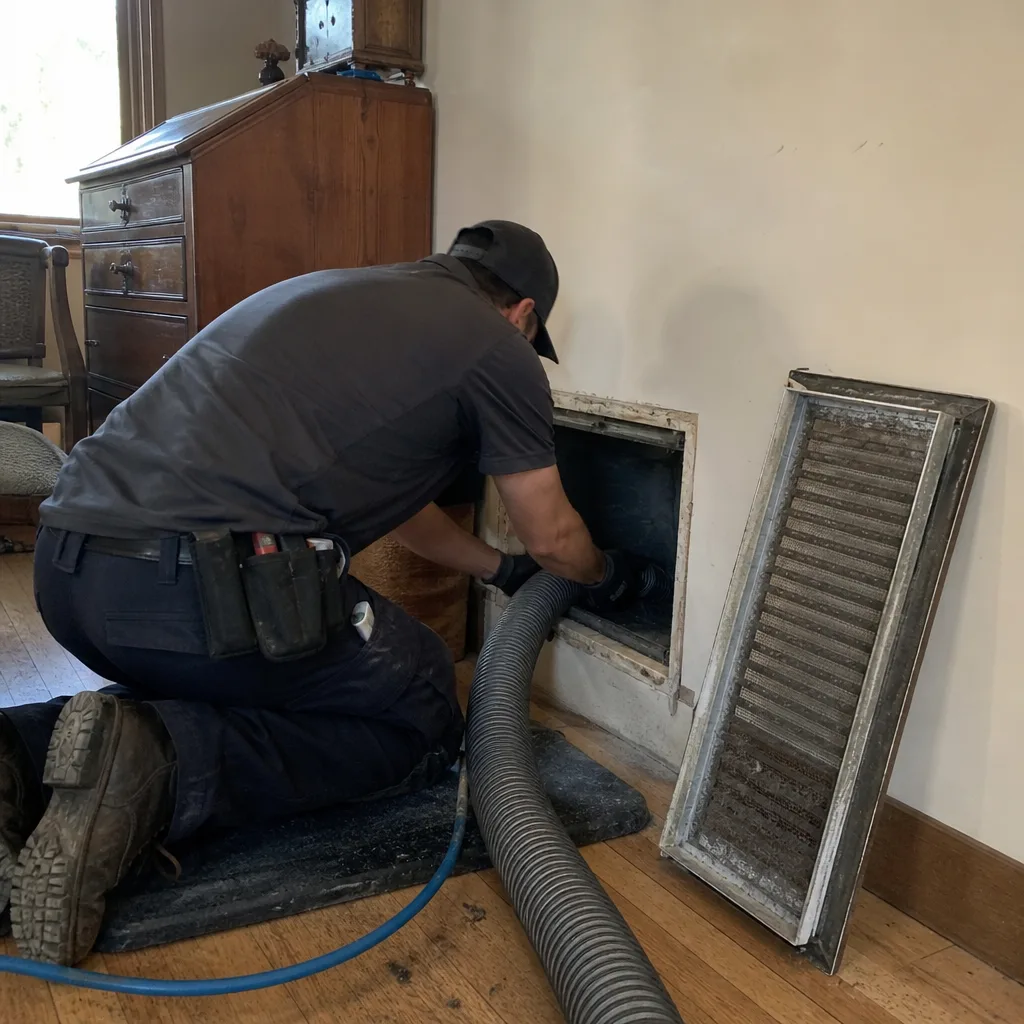 Before
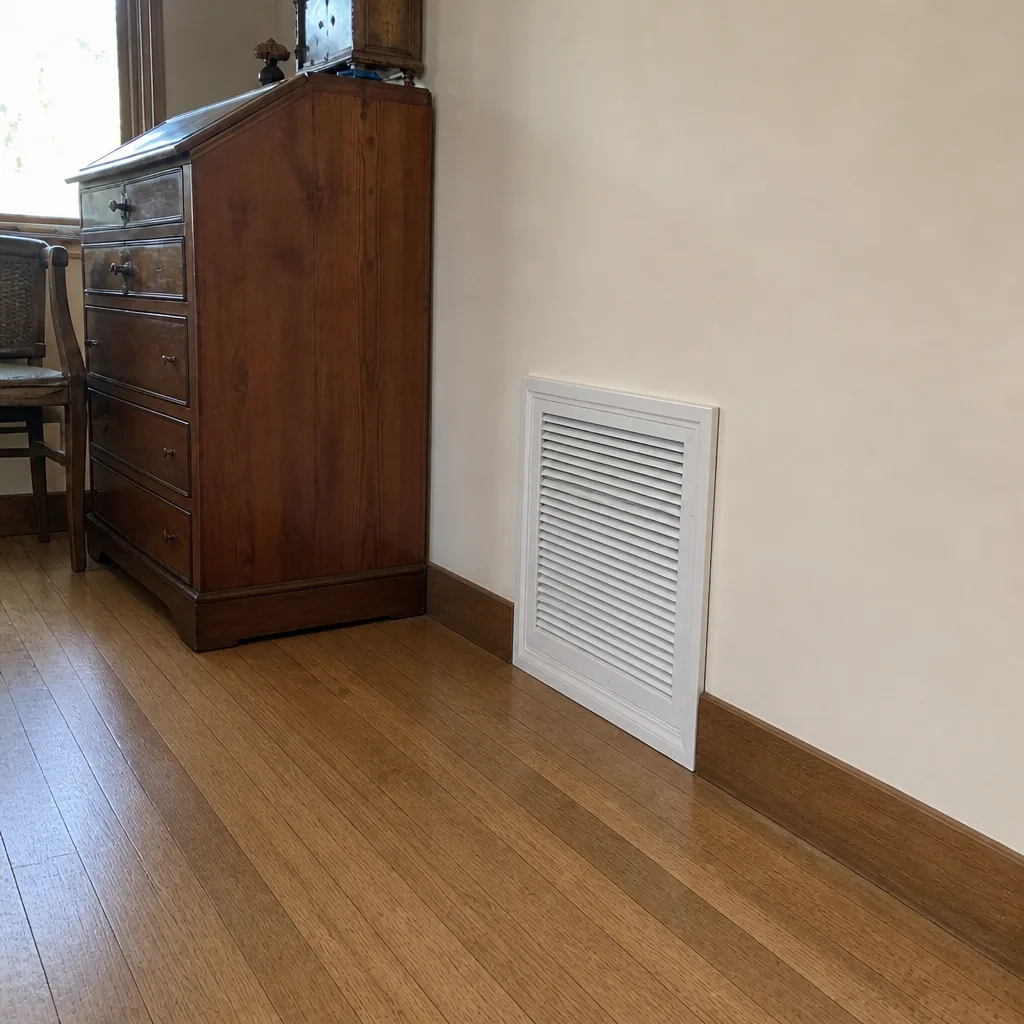 After
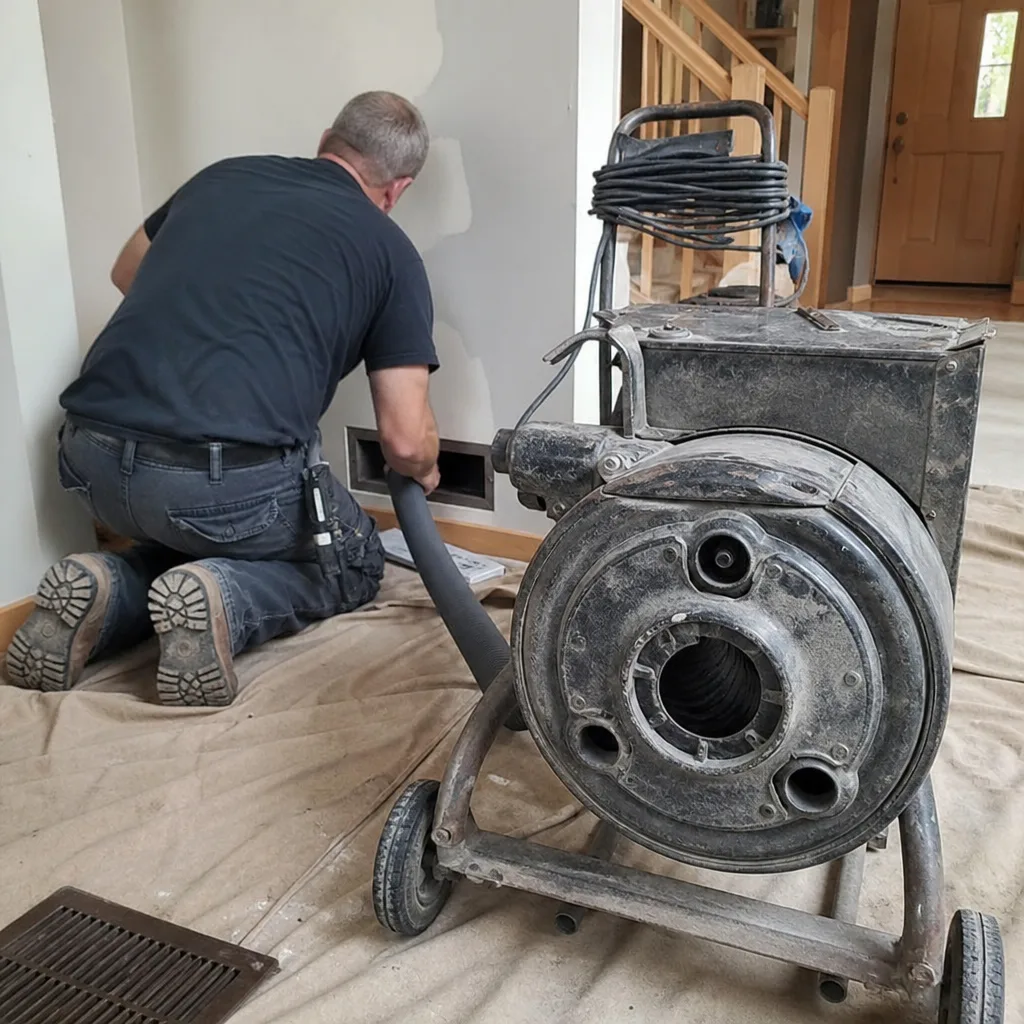 Before
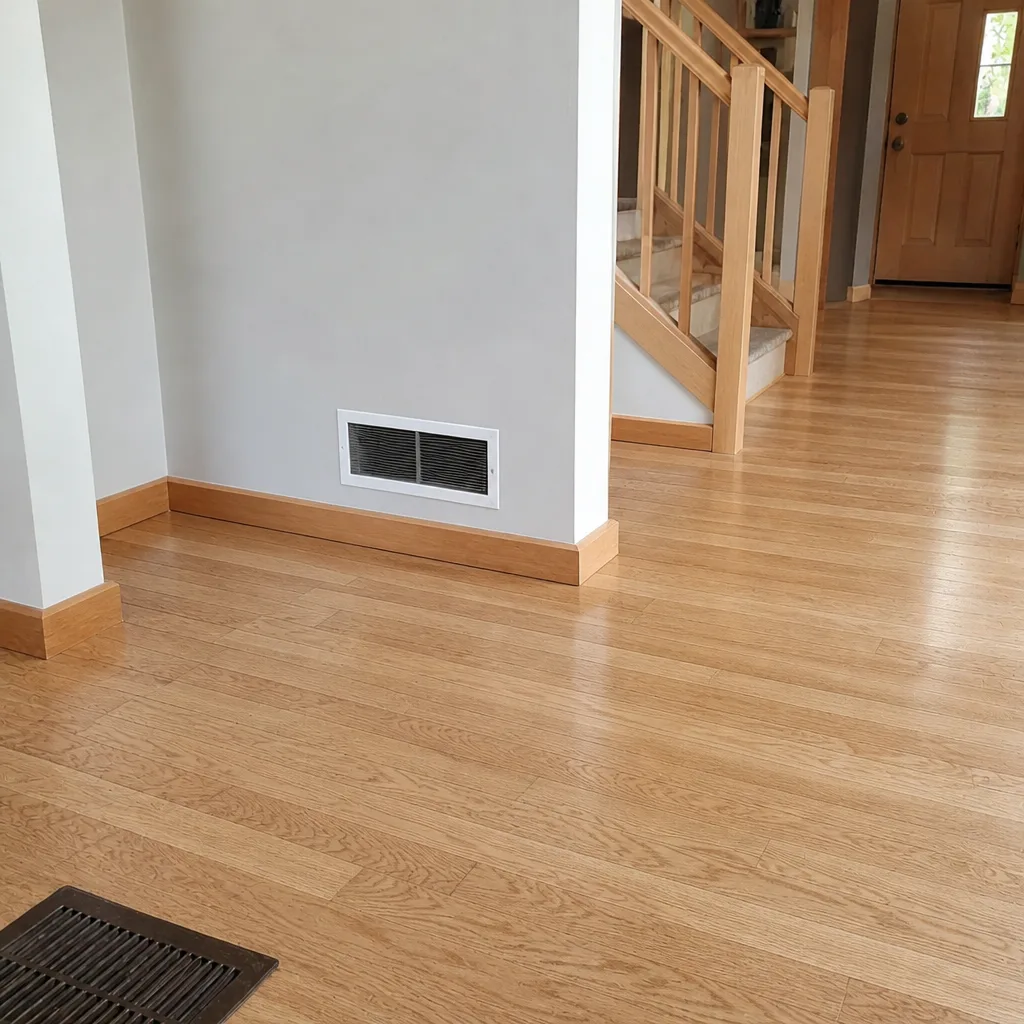 After
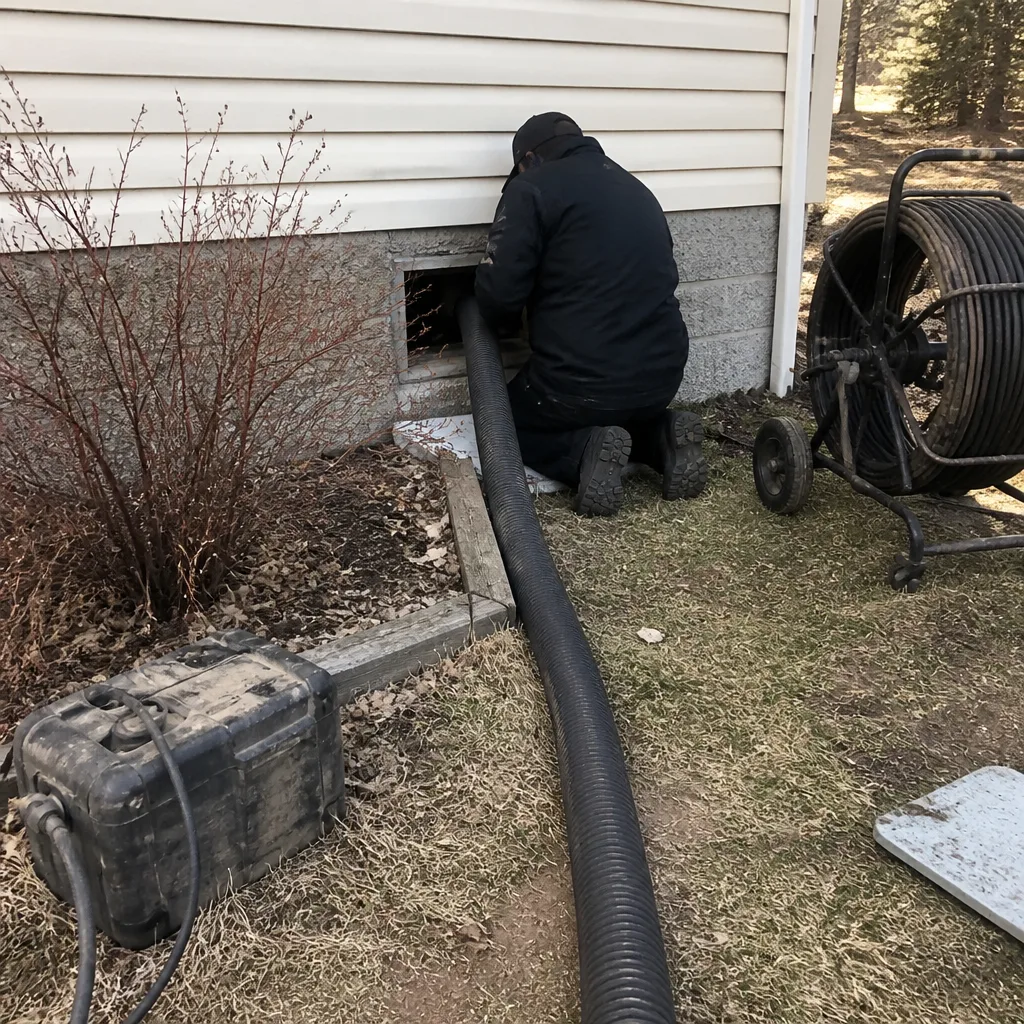 Before
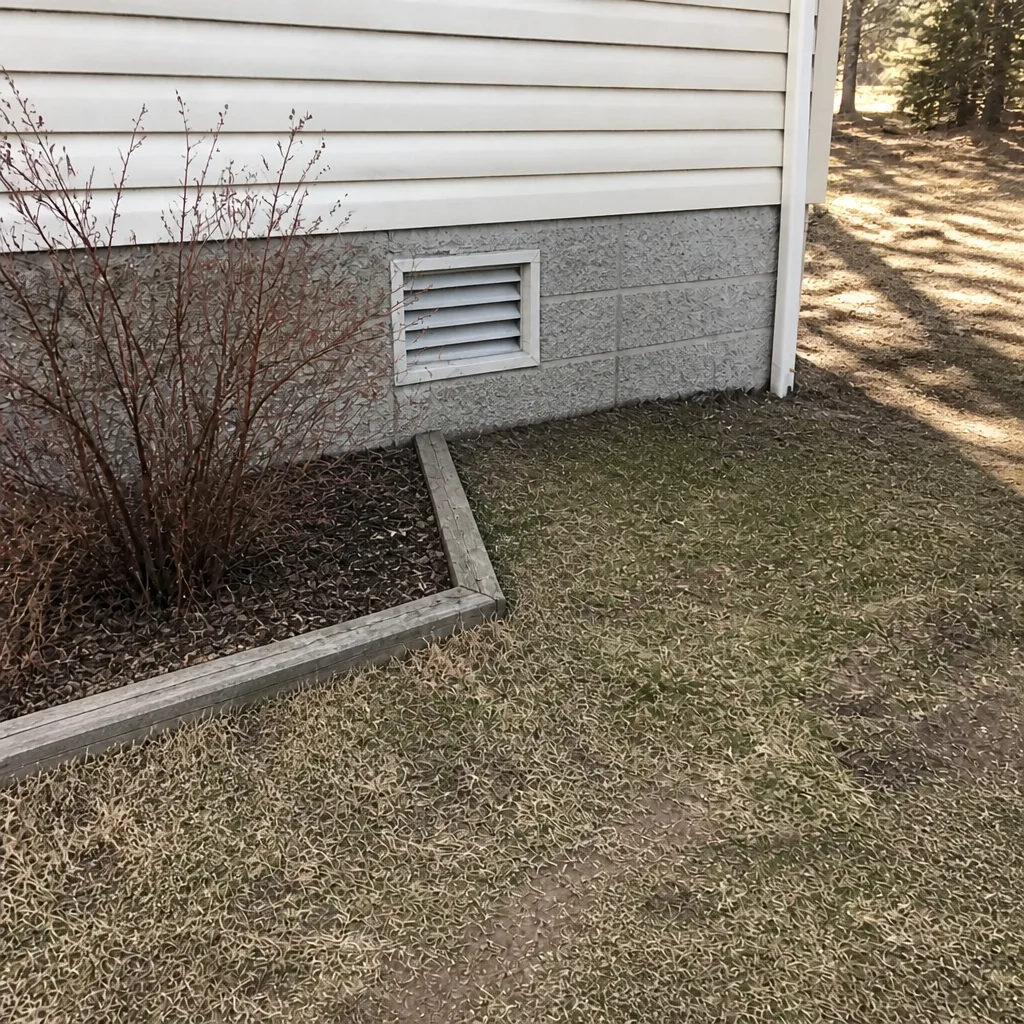 After
When to Call a Professional
Some problems are obvious: visible mold growth feeding out from a register, an unmistakable musty smell every time the system kicks on, a dryer taking twice as long as it used to. Others are less apparent, like a duct seam you can feel moving air from but can’t see, or a return grille that’s collecting dust faster than any other in the house. If your cleaning uncovers damaged, disconnected, or improperly routed ductwork, or if you’re planning a real estate transaction and don’t have a record of prior maintenance, that’s a good moment to have someone look at the system properly.
Air Duct Cleaning Highlands offers free estimates in Highlands. Our technicians have up to 13 years of experience and use professional-grade equipment from brand names like Rotobrush and Nikro, with documentation to match. Call (855) 658-5079 to schedule an assessment or talk through what we’d look for in your system.
Frequently Asked Questions
No, routine air duct cleaning in Highlands doesn’t require a permit, because it’s classified as maintenance rather than new construction or system modification. However, if the work involves duct sealing, cutting new access panels, replacing duct components, or mold remediation, a permit may be required depending on the specific scope. Ask your contractor to clarify the scope in writing before work starts, and contact the relevant building authority if any structural changes to the ducts are involved.
Colorado doesn’t issue a dedicated license for air duct cleaning specifically. General contractors doing construction or modification work are licensed at the state level, and mechanical contractors may need local licensing. What matters most for duct cleaning is the contractor’s equipment, method, and documentation practices. Ask for before-and-after photos, a written scope of work, and details on any products used, since these give you more meaningful information than a license number for pure cleaning work.
Colorado doesn’t issue a specific license for mold remediation, but the Colorado Department of Public Health and Environment (CDPHE) publishes guidance aligned with national standards. In practice, that means remediation should follow professional standards set by the EPA and IICRC rather than a state-specific rulebook. For contamination beyond a small isolated patch, we recommend working with a remediator trained in these standards, and verifying the remediation through independent post-remediation testing.
Yes, any product applied inside your ductwork designed to kill or inhibit organisms must be registered with the EPA under the Federal Insecticide, Fungicide, and Rodenticide Act (FIFRA). Colorado’s pesticide application rules also apply. Ask the contractor for the product name, the EPA registration number, and the written disclosure in your scope of work. If those aren’t provided, don’t allow the product to be applied. Call (855) 658-5079 if you’d like to schedule an assessment with full product documentation.
Yes, in some Highland-area communities they do. HOAs may impose rules around contractor access to shared attic spaces, exterior vent terminations, and equipment staging. Rental property owners have additional obligations around documentation and disclosure to tenants. Review your governing documents before scheduling work, and if you rent out your property, keep written records of every cleaning and inspection.
There’s no universal rule, but for most Highlands homes, cleaning every three to five years is a reasonable starting point. Properties with pets, recent remodeling, or occupants with respiratory sensitivities may benefit from more frequent service. If you’ve recently moved in, aren’t sure of the maintenance history, or found visible contamination during an inspection, schedule a cleaning even if it’s been less than a few years. Call (855) 658-5079 for a free estimate.
The Bottom Line
The core of what you need to know comes down to a few essentials: routine air duct cleaning in Highlands doesn’t require a permit, but the surrounding work often does. Mold remediation has professional standards distinct from cleaning, and treating one as the other creates problems. Any antimicrobial product applied inside your ducts must be EPA-registered and disclosed in writing. Documentation protects you through real estate transactions, insurance claims, and future maintenance decisions. And when a project grows beyond what the original quote covered, don’t assume the contractor handled it correctly. Ask for the paperwork. Learn the difference between maintenance and modification. Insist on real before-and-after photos when verifying that work was done. That’s what separates a carefully managed system from one that slowly accumulates unaddressed problems.
Air Duct Cleaning Highlands offers free estimates in Highlands. If you’d like to talk through what your system needs, whether that’s cleaning, air duct cleaning Highlands, or a conversation about what we’d document along the way, we’re glad to help. Call (855) 658-5079. We answer 24/7. Fast dispatch from 7am to 7pm, Sunday through Friday.
Written by the team at Air Duct Cleaning Highlands.