
Last updated November 23, 2026
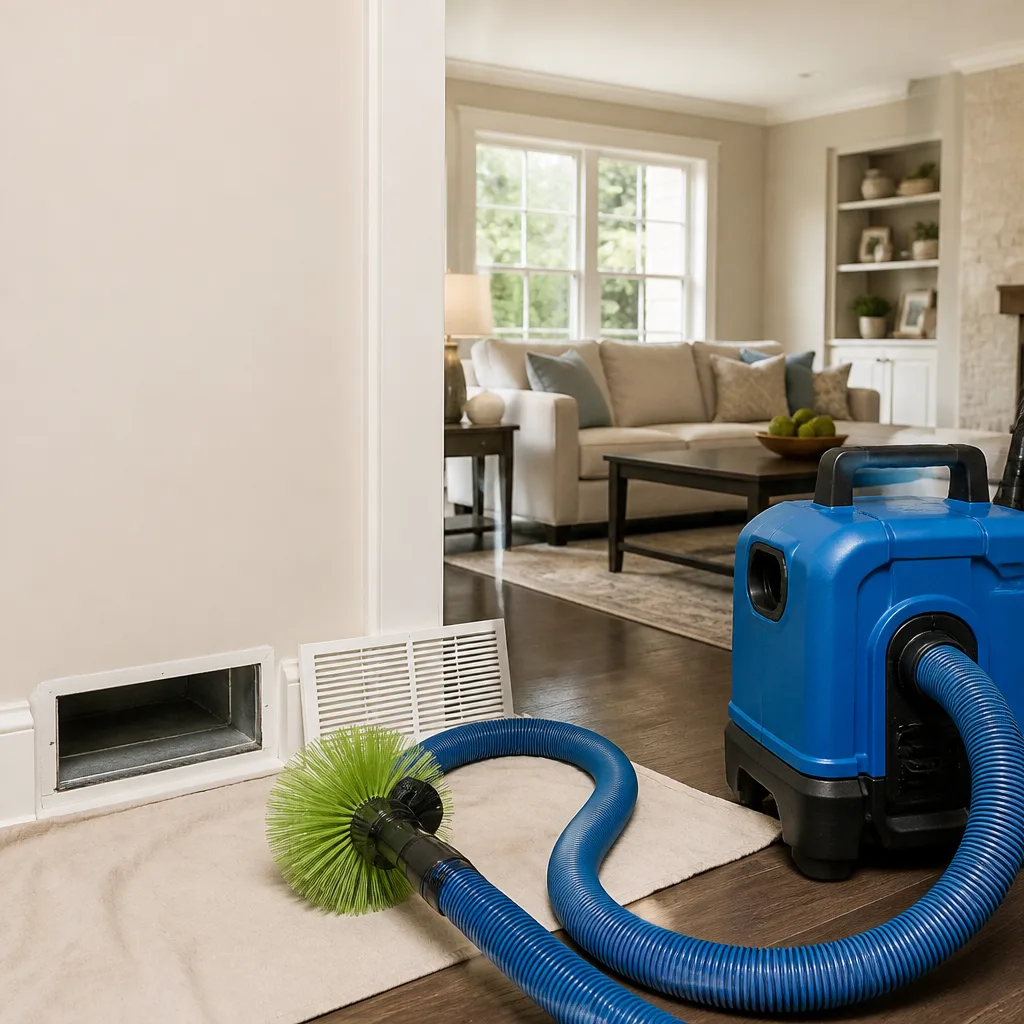 Whole-home duct cleaning
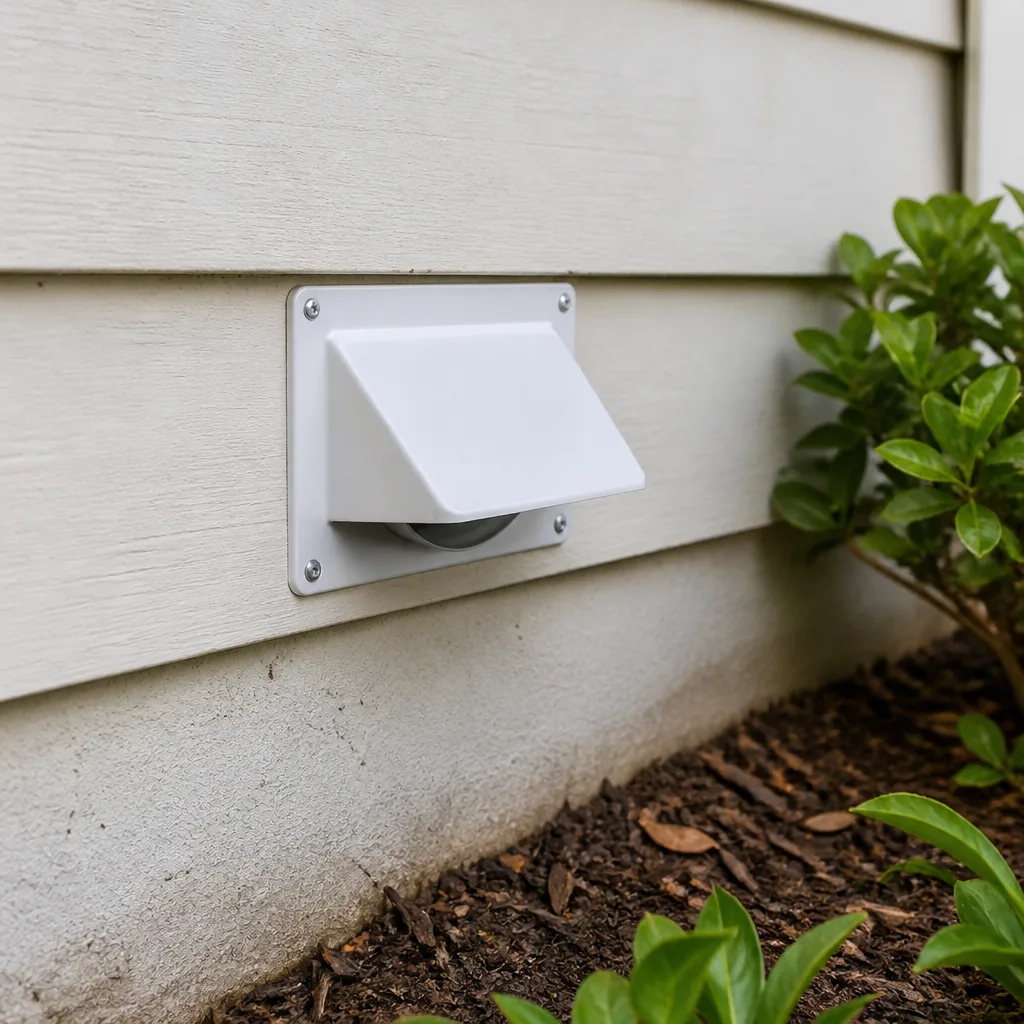 Dryer vent cleaning
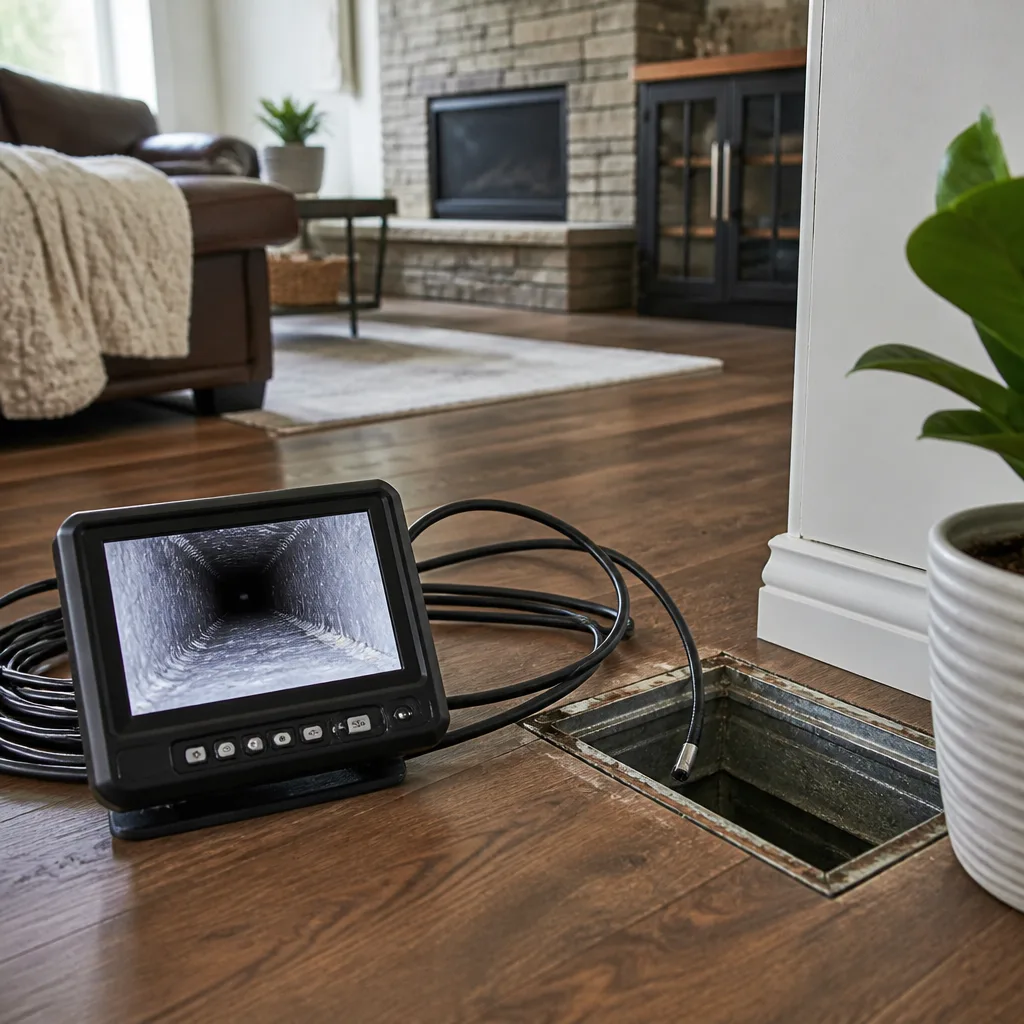 Camera inspection
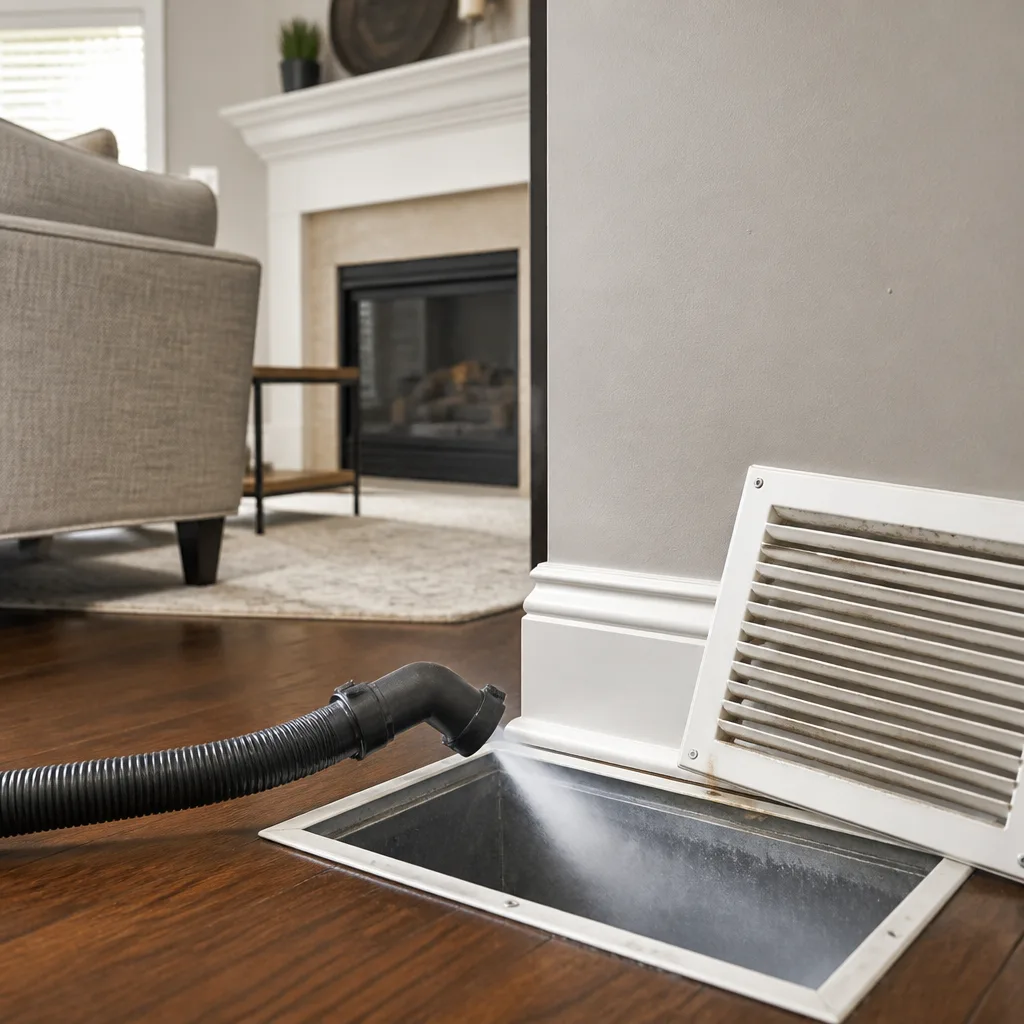 Sanitizing & deodorizing
Whole-system duct and dryer vent check with before-and-after photos - you see exactly what came out of your vents
That "$99 whole-house special" is a bait ad - the real number appears once they are in your hallway, or the "clean" is a shop-vac at the register. We photograph the inside of your ducts before and after instead.
Air Duct Cleaning Emergency Preparedness Guide for Highlands Homes
Most emergency checklists for Highlands homes cover water, food, flashlights, and a go-bag. Almost none mention the two things that keep running through a disaster whether you think about them or not: your return ducts and your air handler. When a nearby wildfire burns, your HVAC system keeps pulling outside air through its returns and filtering the smoke in real time. The fire never has to touch your house for fine particulate to settle on coil surfaces and duct walls. The same is true after a power outage, a burst pipe, or a winter storm that drives water into a basement air handler.
This guide walks through the HVAC dimension of emergency recovery that generic preparedness resources skip. You’ll learn the specific shutdown sequence during a smoke event, the post-flood protocol for homes with floor-level returns, what a post-emergency inspection should document, and how to keep your insurance adjuster on your side. We’re writing from Highlands, where wildfire smoke, freeze-thaw cycles, and hailstorms all shape how ductwork ages.
Quick Answer
After a wildfire smoke event, flood, or extended power outage in Highlands, the correct sequence is: shut the HVAC system off the moment outdoor air quality deteriorates past what your filter can handle, seal returns temporarily with plastic sheeting and painter’s tape, pull and bag the filter afterward, and schedule a professional inspection before restoring normal operation. Contamination inside ductwork and on coil surfaces persists long after the visible emergency passes, and running the system before assessment spreads that contamination through every room in the house.
Styles & brands we work with
- Whole-home duct cleaning
- Dryer vent cleaning
- Camera inspection
- Sanitizing & deodorizing
Table of Contents
- The wildfire smoke shutdown sequence
- Post-flood protocol for floor-level returns and basement air handlers
- What a post-emergency duct inspection should document
- Working with your insurance adjuster on HVAC damage
- Pre-season preparedness actions for Highlands homes
- Keeping a system baseline record for post-event comparison
- Common mistakes to avoid
- Frequently asked questions
The Wildfire Smoke Shutdown Sequence
During a nearby wildfire event, the instinct is to keep the HVAC running because the filter is “cleaning” the indoor air. That’s wrong, and here’s why. A residential furnace filter is roughly the density of a coffee filter. It captures some larger particles, but the sub-micron smoke that makes it into your return plenum passes through and lands on the indoor coil, the blower wheel, and the lining of the supply trunk. The system is doing what it can, but it’s absorbing the smoke event onto surfaces you can’t see and can’t easily clean.
When the AQI in Highlands climbs into the unhealthy range and remains there, or when local authorities issue a smoke advisory for the area, follow this sequence:
- Turn the thermostat to “off.” Not “fan on,” not “auto.” Off. A thermostat set to fan-on runs the blower continuously and pulls return air through the house nonstop, which means more smoke-laden air pulled across the coil.
- Seal the return grilles with 6-mil plastic sheeting and painter’s tape. Work from the outside edges in, and press the tape onto the painted surface, not the grille itself. You’re blocking the path from the room into the return duct, not trying to make the grille airtight from the room side.
- Close fresh-air intakes if you have one. Modern Highlands homes often have a fresh-air intake connected to the return plenum for ventilation. If yours does, close the manual damper on that intake for the duration of the advisory.
- Leave the system off until outdoor air clears. If the interior gets stuffy, use a portable HEPA air purifier in the room you’re occupying rather than turning the HVAC back on.
- Bag and dispose of the filter when you do restart. Don’t reuse it. A filter that has captured smoke particulate is now saturated and will release some of that material back into the air stream on the next run cycle.
- Schedule a professional assessment before relying on the system again. This is the step most homeowners skip and most “preparedness” content ignores entirely. The filter change is not the end of the story.
If you’re in a Highlands neighborhood close to a burn scar, the smell test is a poor guide. Odor can persist in duct lining up to weeks after visible smoke clears. Running the system without assessment pushes that odor through every room on every cycle.
Post-Flood Protocol: Floor-Level Returns and Basement Air Handlers
Water damage in Highlands tends to arrive from two directions: snowmelt-driven seepage in the late winter and spring, and sudden events like a burst washing machine line or a hail-driven roof failure that lets water into the attic and down a stud bay. Whichever way it comes, the HVAC system is vulnerable in ways that don’t show up in the visible damage assessment.
Homes with floor-level return grilles are the highest-risk category. Water pooling on the floor runs into the return the same way coffee runs into a floor drain. The return trunk is the largest single duct in the house, and it typically runs under the floor, in crawl space, or between joists. Once water sits in that duct, it doesn’t dry on its own. The result is standing moisture, then biological growth on porous duct lining, then contamination that keeps circulating through the house long after the visible water has been extracted and the drywall replaced.
Basement air handlers carry a similar risk. If the basement takes on water, the air handler cabinet, the blower motor, and any ductwork in the space absorb moisture. The motor may still spin when you turn the power back on. That doesn’t mean the system is safe to run.
The post-flood protocol looks like this:
- Do not power on HVAC equipment in a flooded space until a qualified technician has inspected it. Running a wet blower motor risks electrical hazard and spreads contamination.
- Document water line height on the air handler cabinet, ductwork, and any return grille with a photo and a measurement. Adjusters ask for this.
- Extract visible water from duct runs that flooded. If a professional water remediation contractor is already on-site, ask them to include the return trunk in their drying scope, not just the floor and walls.
- Schedule a professional duct inspection before restarting the system. Porous duct lining that has been wet is generally not salvageable. Rigid metal duct can often be cleaned and sanitized with the right equipment, but the assessment has to happen first.
- Consider air quality sanitizing after cleaning to address organisms that took hold while the duct was wet.
In our experience working Highlands homes after water intrusion, the duct system is the last thing anyone thinks about and the first thing that should get checked. Visible water is a temporary problem. Contamination inside a wet duct is a persistent one.
What a Post-Emergency Duct Inspection Should Document
A duct inspection after a smoke or water event is not the same as a routine cleaning visit. The purpose is documentation, not just remediation. What gets written down during the inspection becomes the evidence that supports your insurance claim and the record you compare future system performance against.
Any inspection after an emergency event should produce the following:
- Photographs of the duct interior, before any cleaning. At minimum, one shot of the main return trunk, one of the supply plenum, and one representative shot from each branch line.
- A visual condition report on the indoor coil. The coil is where smoke particulate collects and where mold takes hold after a water event. Coil inspection requires removing the access panel and looking at the fins directly. A report that only covers “duct interior visual assessment” and never mentions the coil has skipped the most important surface in the system.
- Notes on duct sealing condition. Smoke and water reach surfaces that duct leaks let them reach. If the inspection finds disconnected joints, missing mastic, or open returns in a crawl space, that leak is part of why the contamination is where it is.
- Filter condition documentation. Type, MERV rating, and condition at inspection. This becomes the “before” reference.
- Moisture readings in any duct that saw water, with a note on the material type (rigid metal, flex, duct board).
- A written scope of recommended work, with a flat price per system, not per vent.
- Before-and-after photos if cleaning is performed, so the documentation trail is complete.
This documentation matters most when you’re filing an insurance claim, but it also matters when you’re not. A documented baseline before the next event makes the after-event assessment faster and more accurate. If you’re getting a post-event inspection from Air Duct Cleaning Highlands, ask for all of the above in writing.
Working With Your Insurance Adjuster on HVAC Damage
Here’s the hard truth about insurance and ductwork: adjusters know the difference between damage caused by a covered event and damage caused by deferred maintenance. The difference between an approved claim and a denial often comes down to documentation.
What supports a claim:
- Photo evidence of smoke residue or water contact inside ductwork, taken before any cleaning.
- A stated date and cause of the event, with the insurance claim number on the inspection report.
- Written findings from a licensed professional identifying the specific damage (contaminated duct lining, saturated duct board, coil fouling from smoke) and the specific repair recommended.
- Photos showing damage that matches the event timeline (e.g., water line height consistent with the reported flood date).
- An itemized invoice for the remediation work, broken out by service line, not a single lump sum.
What gets denied as “normal maintenance”:
- Ductwork cleaning performed without any documented event. If there’s no record of a proximate cause, most policies treat general duct cleaning as maintenance.
- Claims where the only evidence is a homeowner’s verbal description of a smell or symptom.
- Pre-existing leaks or disconnected ducts discovered during the post-event inspection but with no evidence connecting them to the event.
- Work performed before the adjuster has had a chance to review the inspection report.
The order matters. Get the inspection first, get the written report second, submit the report to your adjuster third, then have the work performed. If the claim is approved, the invoice goes in with the report. If the claim is denied, you still have a clean baseline and a clear picture of what your system needs.
When you’re ready to book, call (855) 658-5079. We answer 24/7. Fast dispatch from 7am to 7pm, Sunday through Friday. Estimates are free and the price is set per job by the written estimate.
Pre-Season Preparedness Actions for Highlands Homes
Emergency preparedness for ductwork isn’t only something you do during an emergency. The work you do before the event determines how much damage the system absorbs.
Pre-fire-season actions
- Upgrade the filter to the highest MERV rating your air handler can handle without restricting airflow. The rated limit is usually printed on the air handler label. Going above the rated MERV starves the blower and does more harm than good. A MERV 11 or 13 is a sensible step up for most Highlands homes during smoke season, but only if the equipment is rated for it.
- Check the return plenum and filter slot for gaps. Unfiltered air bypassing the filter slot is the most common way smoke gets past even a good filter. Seal the slot with foil tape if there’s visible daylight or a draft.
- Have the duct system inspected and sealed before smoke season. Leaks in the return are the same leaks smoke uses to reach interior surfaces. air duct cleaning and sealing are two halves of the same job for this reason.
Pre-winter actions
- Get the duct sealing inspected before the first deep freeze. Highlands winters put pressure on any gap in the duct envelope. A leaky return in a crawl space pulls cold air into the system and pushes your heating bill up all season.
- Clean the dryer vent. Dryer fires spike during cold months when the dryer runs more and lint has had a season to accumulate. dryer vent cleaning is a dedicated fire-prevention service for a reason, and it’s a separate job from the HVAC ducts.
- Have the air handler inspected for any water intrusion from roof or condensate issues before the heating season. Water that reached the air handler in the summer or fall can sit through the winter and grow.
Post-storm actions
After a major hailstorm or wind event, walk the attic and check for water intrusion at roof penetrations above the air handler. It’s the most common source of slow, hidden HVAC damage after a storm. If you find any evidence of moisture, treat it as a potential flood event in the system and follow the post-flood protocol above.
Keeping a Baseline Record for Post-Event Comparison
The single most useful thing a Highlands homeowner can do for emergency preparedness on the HVAC side is to have a baseline. A baseline is simply a documented snapshot of your system under normal conditions. When an event happens, you compare the post-event inspection to the baseline, and the difference is what you claim.
A useful baseline record includes:
- Date of the baseline inspection and the name of the company that performed it.
- Photographs of the interior of the return trunk, one supply plenum, and the indoor coil (access panel removed).
- Filter MERV rating and the type currently installed.
- Notes on the duct sealing condition: leaks found, leaks repaired, and where.
- Air handler model information and the rated maximum MERV.
- Any prior remediation work, with photos of the finished condition.
Keep this in the same folder as your insurance policy and your home maintenance records. When the next smoke event, flood, or power outage happens, you have a comparison point. Adjusters respond to documented change, and homeowners who can show a clean baseline and a documented post-event condition have a much easier claim conversation.
A complete HVAC cleaning is a good moment to capture the baseline. Our technicians have up to 13 years of experience and use professional-grade equipment from Rotobrush and Nikro, systems used in commercial and restoration-grade work. We use Abatement Technologies air filtration during service to capture dislodged contaminants rather than recirculate them into the room. When we finish, we photograph what we found and what we fixed. HVAC cleaning is the natural moment to establish a baseline for the whole system.
The Role of Professional Equipment in Post-Emergency Cleaning
Post-emergency cleaning differs from routine cleaning in one important way: the contamination source is usually outside the duct, having come in through a specific event. That means cleaning has to be aggressive enough to handle smoke residue, water-damaged material, or post-fire fine particulate that has bonded to duct surfaces, not just loose household dust.
Consumer-grade vacuums and shop vacs cannot generate the airflow required to dislodge bonded material from duct walls, and they recirculate the exhaust back into the room. That’s the opposite of what you want during a post-emergency cleaning. Professional equipment works differently:
- Rotobrush systems agitate and vacuum simultaneously, using a rotating brush head on a flexible shaft inside the duct while a HEPA-filtered vacuum captures the dislodged material. The dual action is what reaches bonded residue rather than just skating over it.
- Abatement Technologies air filtration captures airborne contaminants released during the cleaning process, holding them inside the negative-pressure envelope rather than letting them drift into the living space.
- High-capacity vacuums with HEPA final-stage filtration pull enough CFM to move material through the full duct run, not just the branch closest to the access point.
After mechanical cleaning, sanitizing treats the duct surfaces. Guardsman-backed treatment options are available for sanitizing and protecting duct surfaces, and we integrate Honeywell and Aprilaire solutions post-cleaning for ongoing air quality management. That last step matters more after an emergency than under normal conditions, because the system has just gone through an event that told you exactly how much contamination it can absorb.
Duct repair and sealing is the step that completes the job. Cleaning a leaky duct and stopping there leaves the contamination pathway open for the next event. Fixing what we find is the difference between a cleaning and a system that’s actually ready for the next emergency.
See the difference
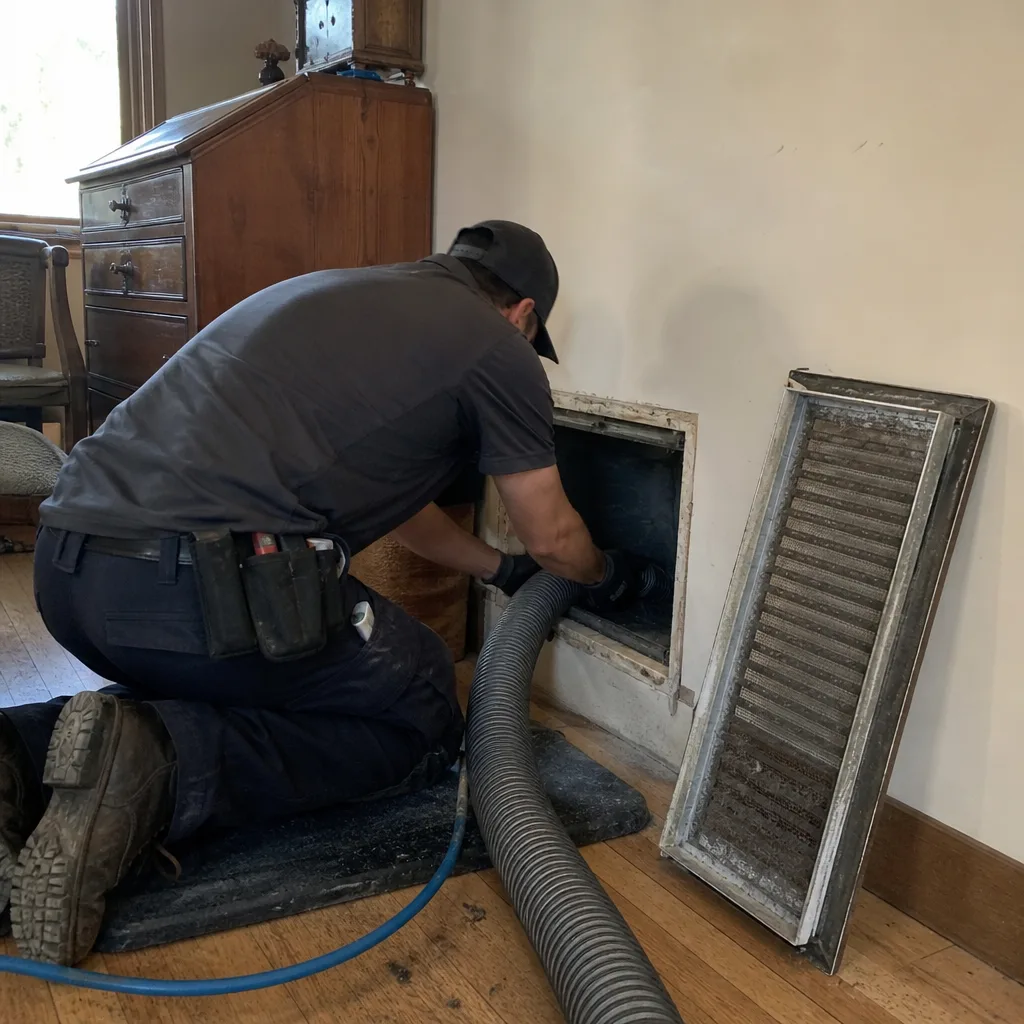 Before
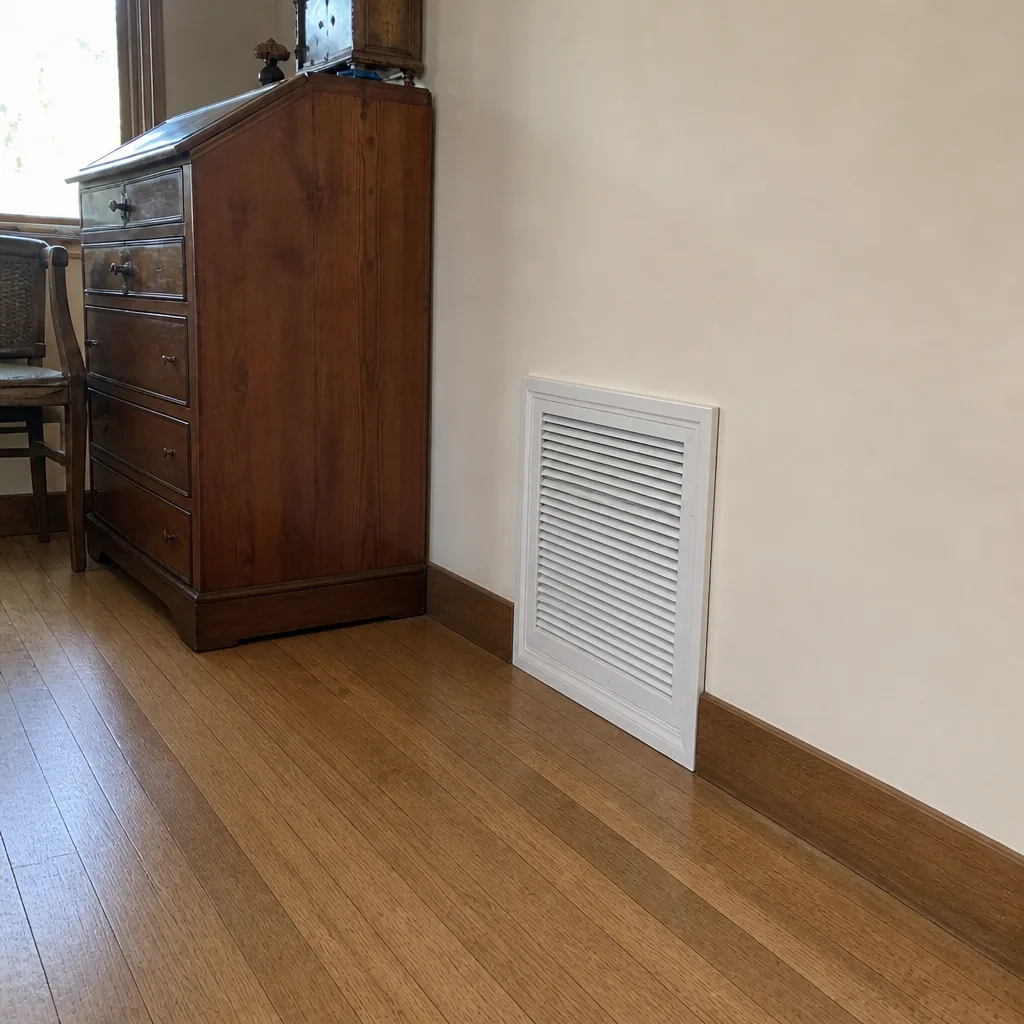 After
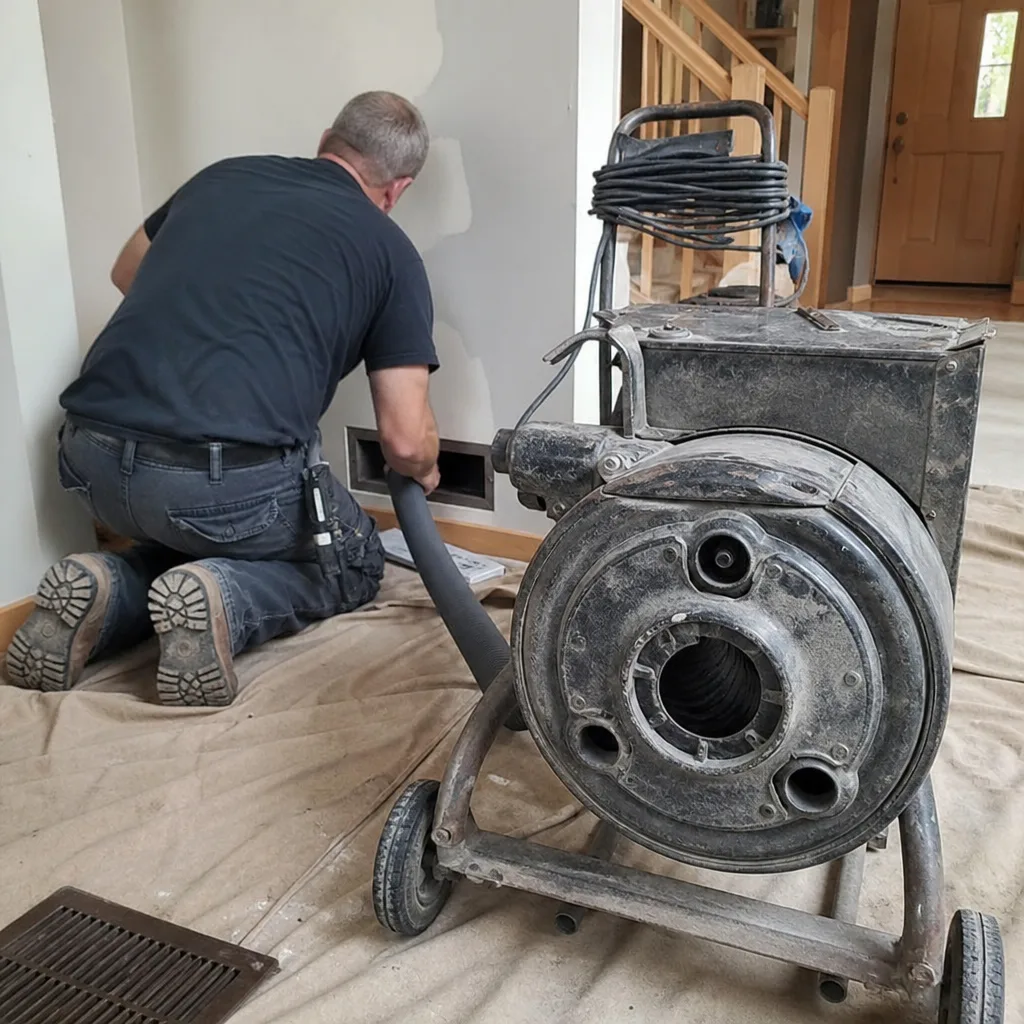 Before
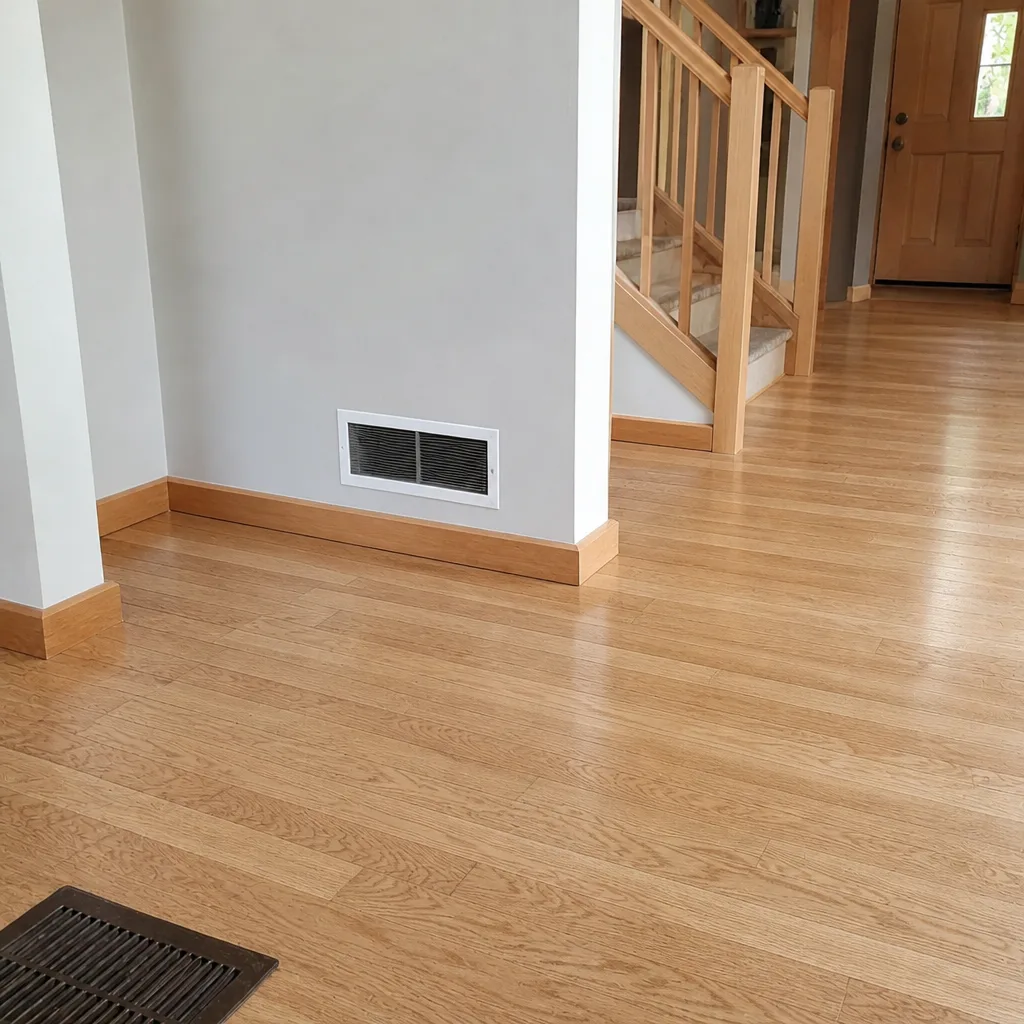 After
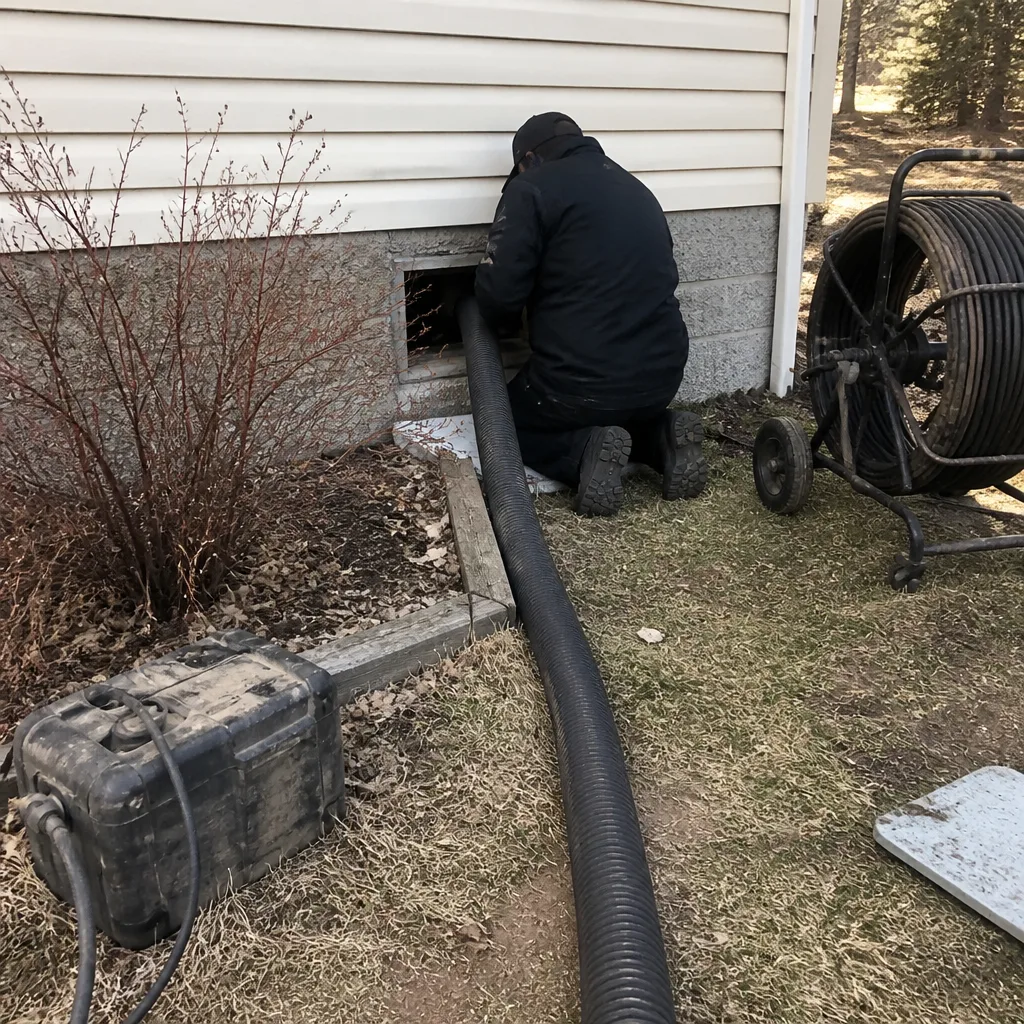 Before
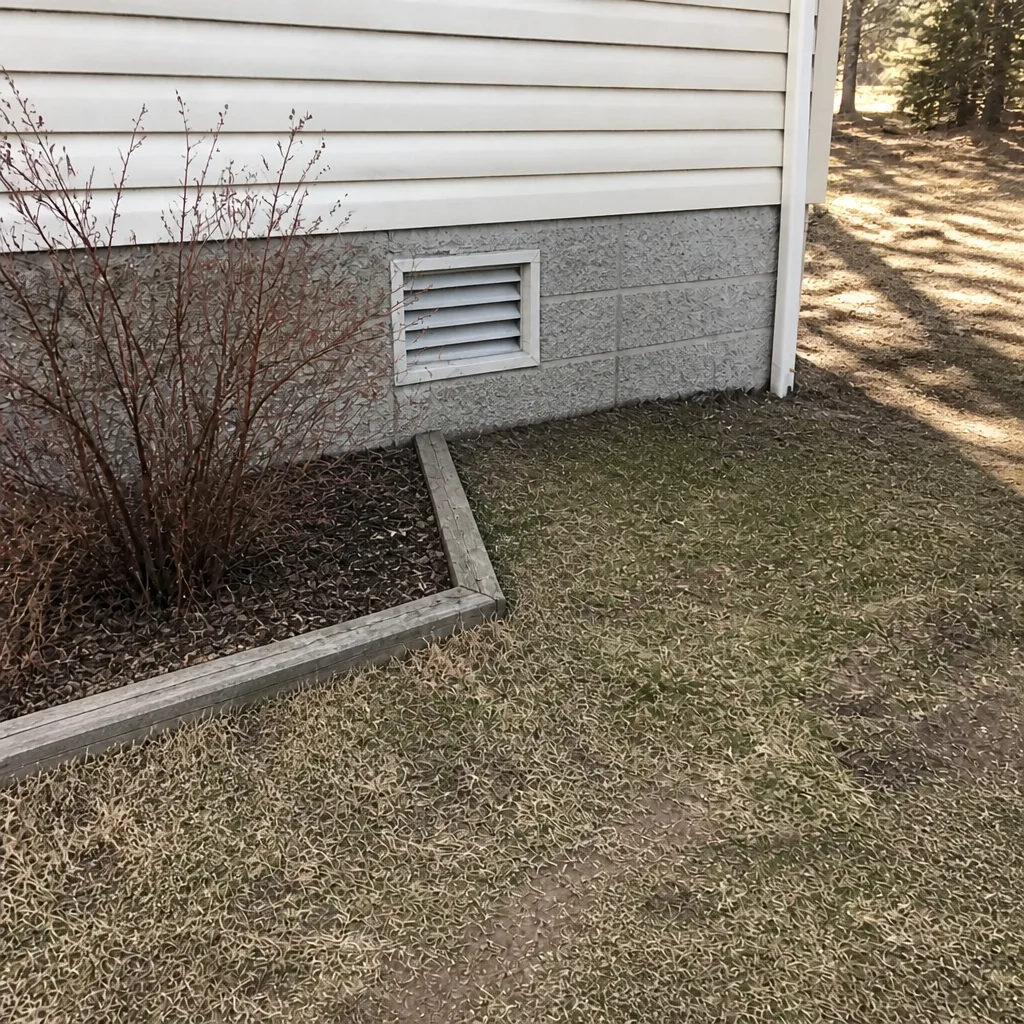 After
Common Mistakes to Avoid
- Running the HVAC system during a smoke advisory. This is the most common one in Highlands. It feels like the filter is helping, but the system is absorbing smoke onto surfaces it can’t clean. Turn it off and use a portable purifier instead.
- Reusing a filter that’s captured smoke or water. A filter that has seen an event is saturated. Reinstalling it releases some of what it captured on the next run cycle. Bag it and replace it.
- Restarting the system after a flood without an inspection. A blower motor that spins doesn’t mean the air handler and ductwork are dry. Running a wet system spreads contamination through the entire house.
- Assuming a duct cleaning quote that mentions only “duct interior” is complete. Coil inspection is where smoke particulate and post-flood growth actually collect. A scope that skips the coil has skipped the most important surface.
- Scheduling a cleaning before an adjuster has seen the inspection report. Cleaning first destroys the documentation evidence that supports the claim. Inspection, report, adjuster, then cleaning.
- Ignoring the dryer vent during emergency prep. Dryer fires are a separate risk from HVAC smoke damage, but they belong in the same preparedness conversation. Most duct cleaners skip or underperform on dryer vent work; treat it as a real service line.
- Skipping the baseline inspection. Without a pre-event record, an adjuster has no way to distinguish post-event damage from pre-existing conditions. Get the baseline before the event, not after.
When to Call a Professional
Call us when a wildfire smoke event has kept your HVAC running for more than a day, when any water reaches a return grille or air handler, when you’re getting an insurance quote on a claim and need an inspection report, or when the system has run through an extended power outage and the air handler has been off for days. Call us before you restart after an event, not after the smell has persisted for a season. Call us if your dryer vent has never been professionally cleaned and you’re in a Highlands home with an interior laundry room, where the vent run is longer and lint accumulation is faster. Air Duct Cleaning Highlands offers free estimates in Highlands. Call (855) 658-5079. We answer 24/7. Fast dispatch from 7am to 7pm, Sunday through Friday.
Frequently Asked Questions
Yes, in most cases if your HVAC system ran during a smoke advisory for more than a day, the ductwork and indoor coil absorbed fine particulate that won’t clear on its own. The need is higher in Highlands than in a low-wildfire-risk area because smoke events here are more frequent and more intense. Call (855) 658-5079 for a free inspection estimate so we can confirm what your system actually absorbed before you schedule anything.
Yes. Setting the thermostat to “off” and sealing the return grilles with plastic sheeting stops the system from pulling more smoke into the duct system. The filter is not fine enough to catch sub-micron smoke, so running the system deposits that material on coil surfaces. Use a portable HEPA purifier in the room you’re occupying and call (855) 658-5079 when the advisory clears to book an inspection.
Do not power on the system until a technician has inspected and dried the duct run. Water in a floor return doesn’t dry on its own, and wet porous duct lining can harbor biological growth that keeps circulating after the visible water is gone. Call (855) 658-5079 for a free inspection estimate and we’ll document the water line, photograph the duct interior, and recommend the right remediation.
Often yes, if the damage is documented as event-related rather than deferred maintenance. The key is getting a written inspection report with photos and a stated cause before any cleaning happens. Call (855) 658-5079 and ask for a post-event inspection with full documentation so you have what the adjuster needs.
Once a year as a baseline inspection, plus a post-event inspection after any wildfire smoke advisory, flood, or extended power outage. Highlands homes with interior laundry rooms and dryer vents longer than about 10 feet benefit from annual dryer vent cleaning on top of the annual duct inspection. Call (855) 658-5079 to book a baseline or a post-event inspection.
A proper post-emergency inspection includes photographed duct interior, indoor coil visual assessment with the access panel removed, duct sealing condition notes, filter condition documentation, and a written scope of recommended work with a flat price per system. Before-and-after photos are part of the record if cleaning is performed. Call (855) 658-5079 for a free estimate on the inspection itself.
The Bottom Line
Emergency preparedness for a Highlands home doesn’t end with the visible damage. Your HVAC system absorbs the event too – smoke deposits on the coil, water lodges in the return trunk, and the ductwork carries contamination through the house long after the crisis is over. Shut the system off during a smoke advisory, bag the filter, treat any water in the system as a contamination event, and inspect before you restart. Document a baseline now so you have something to compare the next event against. Keep the dryer vent on the annual list, fix the leaks when they’re found, and treat indoor air quality as a system rather than a single service. Call (855) 658-5079 for a free estimate. We answer 24/7, with fast dispatch from 7am to 7pm, Sunday through Friday. The written estimate sets the final price, and it’s the same price before the work starts as after.
Written by the team at Air Duct Cleaning Highlands.