
Last updated November 23, 2026
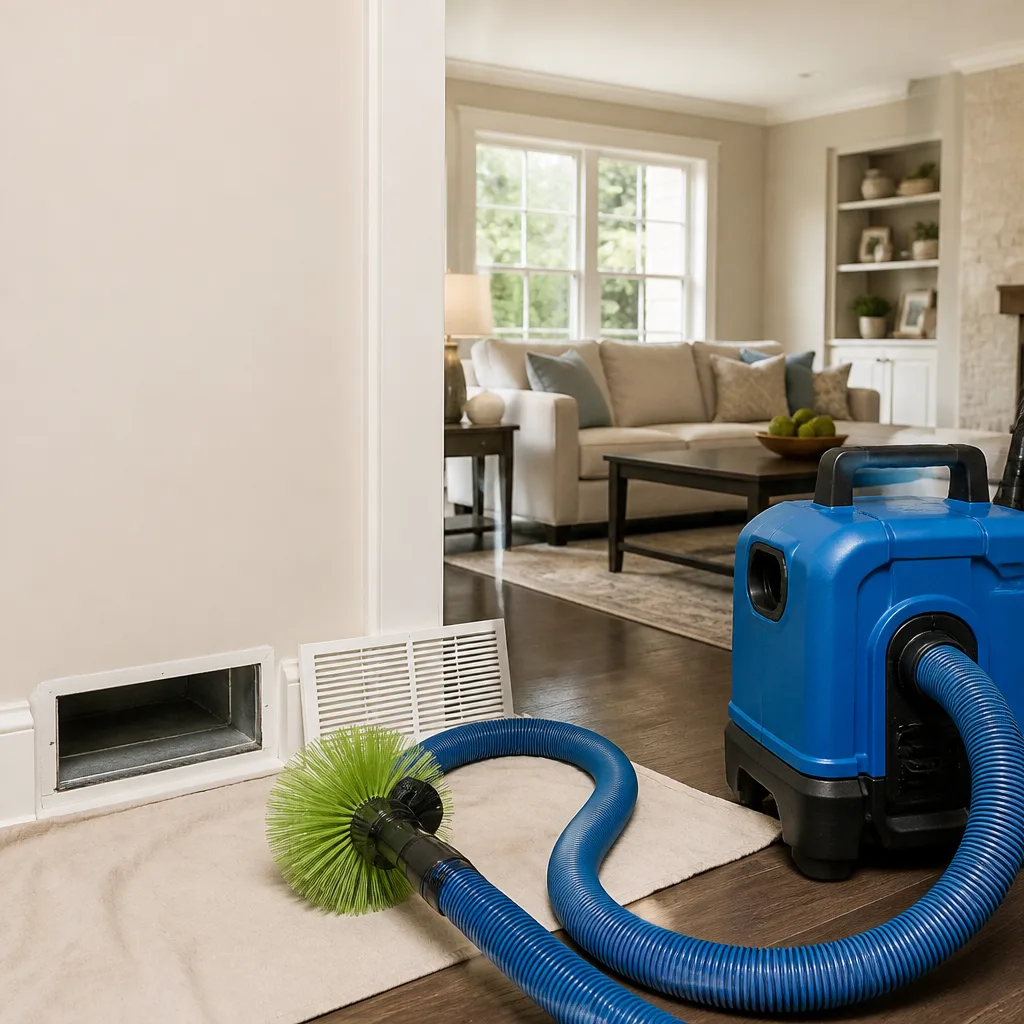 Whole-home duct cleaning
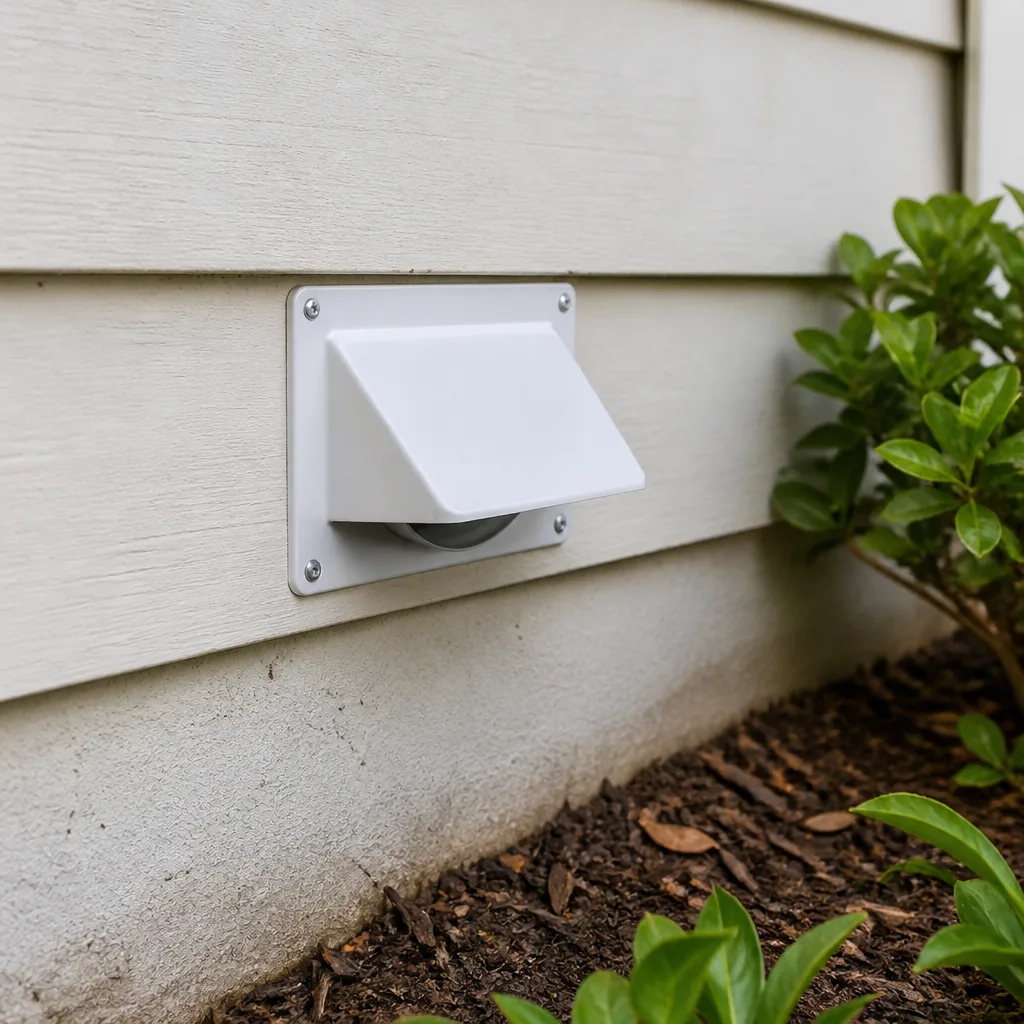 Dryer vent cleaning
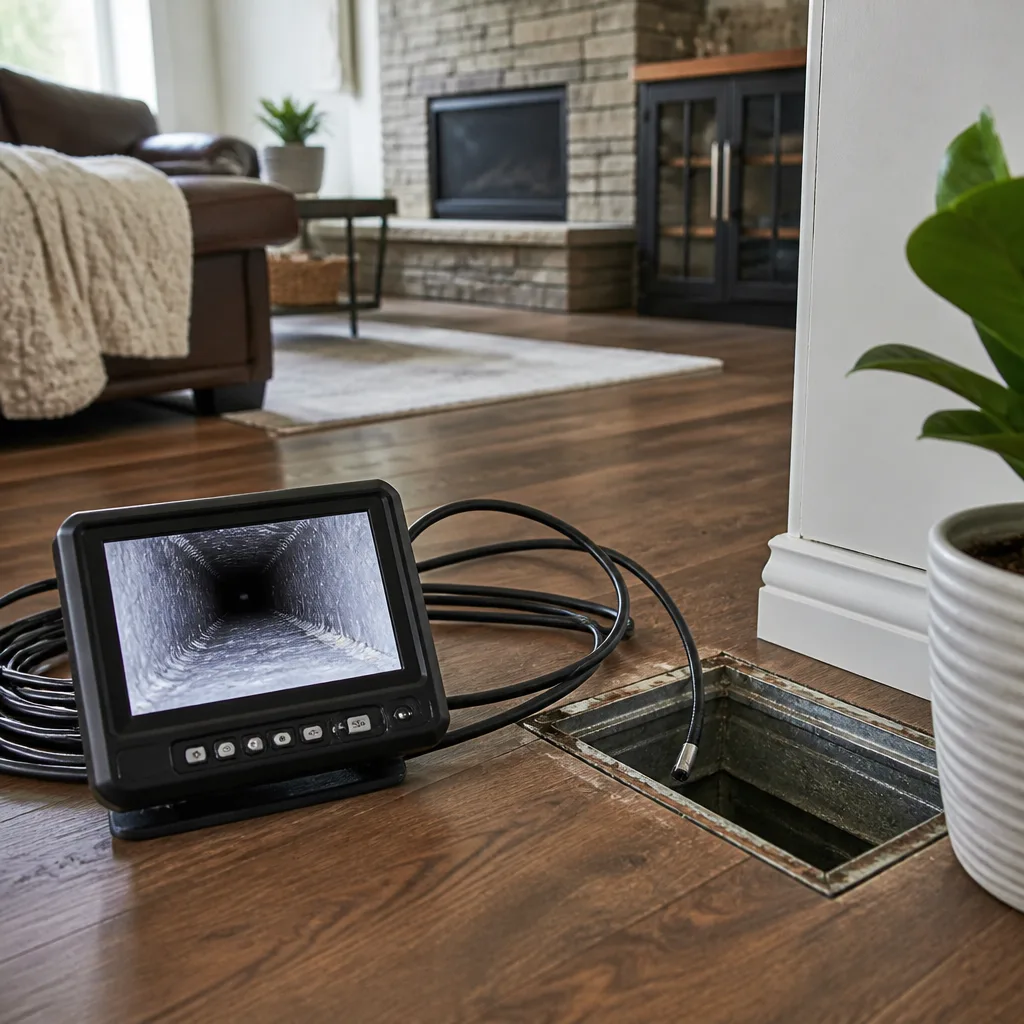 Camera inspection
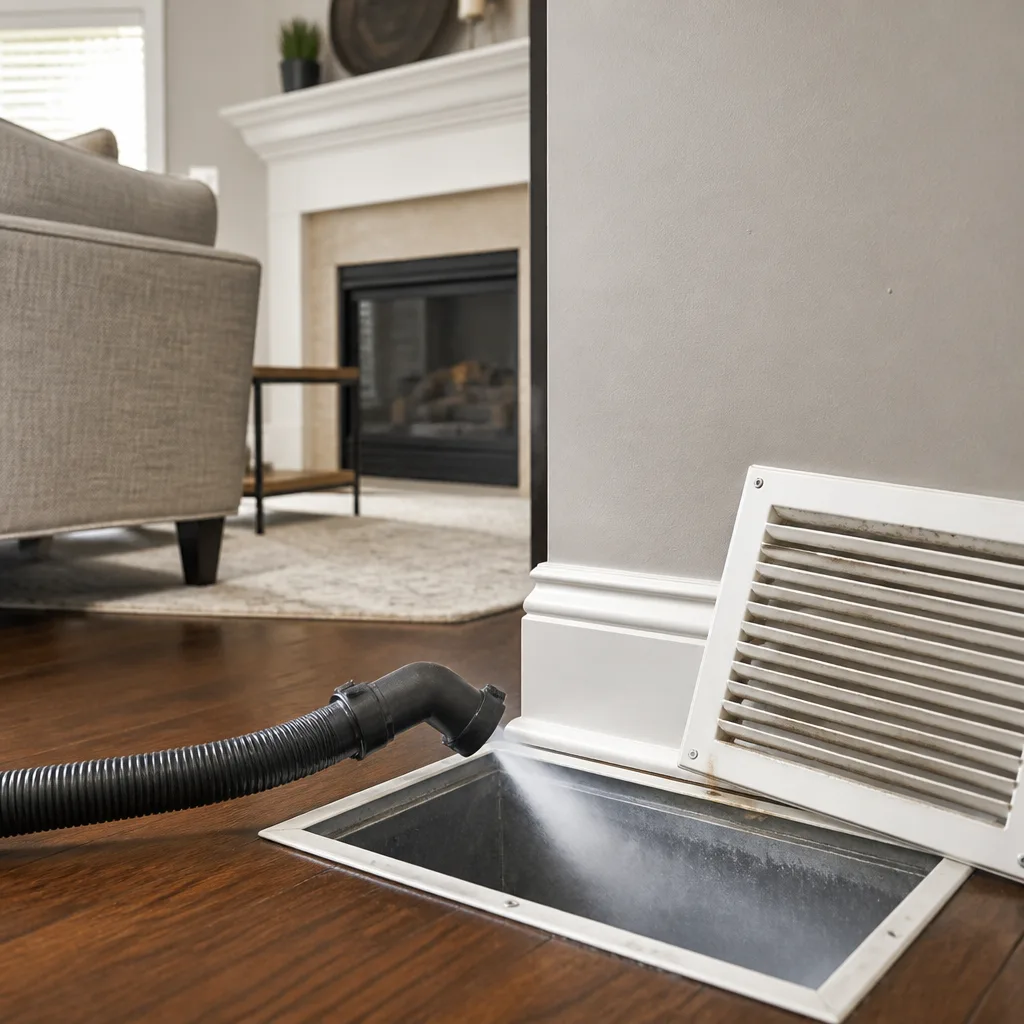 Sanitizing & deodorizing
Whole-system duct and dryer vent check with before-and-after photos - you see exactly what came out of your vents
That "$99 whole-house special" is a bait ad - the real number appears once they are in your hallway, or the "clean" is a shop-vac at the register. We photograph the inside of your ducts before and after instead.
How to Hire an Air Duct Cleaning Contractor in Highlands: A Step-by-Step Guide
A portable shop-vac hooked to a return grille is, technically, cleaning under negative pressure. That’s what some low-bid operators mean when they use the term in their advertising. The phrase sounds professional. The equipment behind it often isn’t. And because the duct cleaning trade has almost no barrier to entry, the signals homeowners in Highlands naturally rely on (star ratings, a low quote, next-day availability) tell you very little about whether a real job will be done. This guide teaches you to screen like an informed buyer. You’ll learn what to ask about equipment and process, which credentials actually mean something, and which red flags in a quote are worth walking away from.
Quick Answer
To hire an air duct cleaning contractor in Highlands, verify three things before you book: the equipment (a truck-mounted or high-CFM portable vacuum plus mechanical agitation tools), the credentials (NADCA membership as a baseline, plus source-removal and vent-inspection certifications for the technicians), and the process (access holes that get sealed, documented before-and-after photos, flat per-system pricing rather than per-vent). Ask those questions in that order, get the scope in writing, and confirm how the contractor handles damage to sealed ductwork before anyone cuts into anything.
Styles & brands we work with
- Whole-home duct cleaning
- Dryer vent cleaning
- Camera inspection
- Sanitizing & deodorizing
Table of Contents
- What equipment questions should you ask before booking?
- How are access holes created and sealed?
- Why is NADCA membership a floor, not a ceiling?
- What do red flags in a quote actually look like?
- How do you evaluate before-and-after photos?
- What insurance and liability questions matter most?
- What makes duct cleaning in Highlands different?
- What should a complete job actually include?
What equipment questions should you ask before booking?
A legitimate duct cleaning company will answer equipment questions without hesitation. In fact, the answer tells you more about the likely outcome than any review. Here’s what to ask.
What is the CFM rating of the vacuum unit? CFM stands for cubic feet per minute, and it measures how much air the vacuum moves. Consumer shop-vacs and lightweight portables move very little air compared to professional duct vacuums. Ask for the number. A contractor who can’t tell you is either running underpowered equipment or hasn’t been trained to think about airflow. Professional truck-mounted or high-capacity portable units run in a completely different range, and the technician should know their unit’s rating offhand.
Do you use mechanical agitation tools? Vacuum alone will not dislodge the layer of dust, debris, and biological buildup that adheres to duct walls. Agitation tools (rotary brushes, whips, air whips, or compressed-air nozzles) physically loosen the material so the vacuum can pull it out. Rotobrush systems, for example, agitate and vacuum simultaneously along the full length of the run. If a contractor’s process amounts to sticking a hose in the register and pulling for a few minutes, that isn’t cleaning; it’s surface dusting.
What happens to contaminants while you work? Professional outfits use air filtration and containment equipment during service so dislodged debris gets captured rather than blown back into living space. Abatement Technologies filtration equipment is typical of restoration-grade work, and it’s a fair question to ask whether anything like it is used during your job.
- Ask for the CFM rating of the primary vacuum.
- Ask which agitation tools are used inside the ducts.
- Ask what containment or air filtration is used during cleaning.
- Ask whether the same equipment is used for dryer vent work or only duct runs.
Equipment questions separate serious contractors from marketing operations fast, and in our experience they’re the single most predictive screen a homeowner in Highlands can run before booking.
How are access holes created and sealed?
Access holes are cut into duct runs so the technician can reach the interior with agitation tools and vacuum. This is standard practice; cleaning through the register opening alone cannot reach the full length of a duct run, especially in the long horizontal trunks that are common in Highlands attic and crawlspace configurations. The important question is not whether holes will be cut. It’s how many, where, and how they’ll be sealed afterward.
- Ask how many access holes the job requires. A typical residential system needs several to reach all runs. A contractor who says “we don’t cut holes” is either working from a different definition of cleaning or isn’t cleaning the full duct interior.
- Ask where the holes will go. The technician should be able to describe the intended locations before starting. Vague answers are a sign the crew will figure it out in the moment.
- Ask how the holes are sealed after cleaning. This is where unqualified contractors come up short. Proper sealing uses mastic, foil tape, or fitted caps so the duct stays airtight. An open hole left behind forces the system to pull air from the attic or crawlspace, which is a real efficiency and air quality problem.
- Ask whether the sealing is included in the quoted price. It should be. If it isn’t, find out what it costs before work starts.
- Ask whether the contractor repairs damaged ductwork found during cleaning. If a run is disconnected, crushed, or leaking, cleaning around it leaves the problem in place. Look for a company that can fix what it finds in the same visit.
This is the question that most often exposes a gap in capability. Many generalist HVAC companies clean ducts but don’t carry the sealing and repair scope to leave the system in better shape than they found it. A contractor who can clean, seal, and repair in one visit is saving you a second appointment and an incomplete handoff.
Why is NADCA membership a floor, not a ceiling?
NADCA stands for the National Air Duct Cleaners Association. Membership signals that a contractor has agreed to industry standards and has a baseline of professionalism, but it is not a guarantee that every technician who shows up at your door has been trained to a specific level. It’s a floor, not a ceiling. The ceiling comes from additional credentials, and those are worth asking about specifically.
ASCS (Air Systems Cleaning Specialist) certification is an individual credential that a technician earns by passing an exam on cleaning methods, system components, and industry standards. It indicates the person doing the work has been tested on how duct systems actually function, not just how to run a machine.
CVI (Certified Ventilation Inspector) certification goes further into the inspection side: identifying conditions in a duct system that need attention beyond routine cleaning. A technician with CVI training can look at a system and explain what’s wrong with it, which matters if your ducts have any history of moisture, pest intrusion, or poor airflow.
When you call a contractor, ask:
- Are you a NADCA member?
- Do your technicians hold ASCS or CVI certifications?
- Who will actually be doing the work in my home?
- Are the technicians trained on the specific equipment being used?
None of these questions should feel adversarial to a real professional. In our experience, the contractors worth hiring answer credential questions with pride because their training is a real part of their value. If the person on the phone doesn’t know what ASCS or CVI stand for, that tells you everything you need to know about how much they’ve invested in technician training.
What do red flags in a quote actually look like?
The cheapest quote is usually not the cheapest job. That’s not a sales line; it’s what happens when two contractors bid very differently because they’re delivering very different services. Learning to spot the difference in writing, before any money changes hands, is the best protection you have.
Per-vent pricing. A quote built on per-vent charges creates a perverse incentive: the contractor earns more by working faster, not by cleaning more thoroughly. If your system has 14 registers and the quote is a dollar amount times 14, ask what specifically will be done to each. Whole-system pricing tied to the size and configuration of the system is the fairer structure, and it removes the reason to rush.
“Sanitizer included” as a headline selling point. Sanitizing is a legitimate step when there’s documented biological growth in the ducts. It’s a sales hook when it’s bundled into every quote automatically. Ask the contractor: how did you determine that sanitizing is needed here? If the answer is “it’s included in every job,” you’re paying for something you may not need. Ask instead whether sanitizing is priced separately and how the contractor evaluates the need. In Highlands’ dry, dusty conditions, sanitizing genuinely matters when ducts have been exposed to moisture from condensation or roof leaks, and it doesn’t when they haven’t.
Vague equipment descriptions. “Professional equipment” tells you nothing. Ask for brands and models. Professional-grade systems from Rotobrush, Nikro, and Abatement Technologies come up in restoration and commercial work, and a contractor who uses them will name them without prompting.
No written scope. Get it in writing: the number of access holes, the agitation method, the containment equipment, the sealing approach, and the price. A contractor who resists putting the scope in writing has a reason.
Pressure to book immediately. A fair quote doesn’t expire by dinnertime. If the price depends on you saying yes in the next hour, that’s a sales tactic, not a scheduling fact.
How do you evaluate before-and-after photos?
Photo documentation of duct cleaning is now standard practice among serious contractors, and it’s genuinely useful: if you can see before-and-after photos of your own registers and duct interiors, you have real evidence the work was done. But not all photos prove the same thing.
A photograph of a register interior before and after cleaning shows that the register itself was cleaned. That’s the easy part. It tells you nothing about what happened twenty feet down the duct run. Ask the contractor whether they photograph duct interiors with a camera inspection tool, not just the registers visible from your living room. A camera photo showing the duct wall before and after cleaning is far more meaningful than a clean grille cover.
Watch for what photos typically omit:
- The trunk line. Most systems have a main trunk feeding multiple branches, and buildup in the trunk is often heavier than what shows up at any single register. If there’s no photo of the trunk, ask why.
- The blower and coil area. If the contractor cleaned the air handler side, there should be documentation of that region too.
- The access holes after sealing. Ask for photos of the sealed access panels. This is the only way to confirm they were closed properly.
- The end of the run. Long duct runs can have buildup at the far end that a quick pass through the middle never reaches.
Before-and-after photos are also how you verify a job was done the way it was quoted. If the contractor promised agitation tools inside the ducts and no photo shows the interior, the question is worth asking before final payment. This pairs naturally with air duct cleaning work, where the camera work is built into the professional process.
What insurance and liability questions matter most?
Air duct cleaning involves cutting into ductwork that may still be under a builder’s warranty, and in some cases into sealed ducts within your home’s envelope. If something goes wrong, the cost of undoing it can exceed what the cleaning itself was worth. That’s why insurance questions are worth asking every time, even though they feel bureaucratic.
Ask these directly:
- Do you carry general liability insurance? Any legitimate contractor does. Ask for a certificate of insurance before work starts. If the contractor can’t or won’t provide one, don’t book.
- Are the technicians covered by workers’ compensation insurance? If a technician is injured in your home and isn’t covered, you could be exposed. A legitimate contractor will have this. Ask.
- What happens if a duct is damaged during cutting? Get the answer in writing. A capable contractor repairs damage as part of the job; a contractor without repair capability may not disclose the damage at all.
- What if your system is under a builder’s warranty? Cutting access holes and resealing them can affect warranty coverage in some cases. Call your builder before booking and ask whether duct cleaning affects your warranty. Get the answer from the builder in writing if you can.
- Do you carry a written guarantee of workmanship? Ask what it covers and for how long. The answer varies, but the question tells you whether the contractor stands behind the job.
In Highlands, home construction ranges from older homes with original galvanized ductwork to newer builds with more flexible systems, and each has its own repair and warranty considerations. A contractor who can’t address those should not be cutting into your system.
What makes duct cleaning in Highlands different?
Highlands has a specific set of conditions that shape what duct cleaning actually accomplishes here. Dirt is dirt, but the way a duct system collects it, and what causes problems more quickly, looks different in this climate than in wetter parts of the country.
Dry air and dust accumulation. Low humidity means dust stays suspended and settles more slowly, and it also means ducts that aren’t cleaned accumulate a fine, dusty film rather than the sticky, damp buildup you see near the coast. That’s good news in one sense, because dry dust is easier to remove. It’s also a reason regular cleaning matters: dry fine dust is exactly what gets picked up and redistributed through the house every time the system runs.
Seasonal pollen. Spring pollen in the Highlands area is heavy, and a system running in a house with open windows during pollen season will pull that material into the return ducts. A cleaning scheduled after pollen season sees a very different load than one scheduled in mid-winter.
Altitude and system efficiency. Highlands sits at elevation, which means HVAC systems work against thinner air and cabinetry, return duct sizing, and filter pressure drop all matter more than they would at sea level. Leaky ducts hurt more here. Sealing matters, which is one reason a complete scope that includes sealing and repair is genuinely worth asking for.
Housing stock variety. The area’s mix of older cabins, mid-century homes, and newer builds means duct systems vary substantially in age and configuration, and a contractor who has worked in the region understands the typical layouts. When you ask a company about their experience in Highlands specifically, you want to hear specifics about the kind of systems they see here, not a generic answer about serving the area.
This is one more reason to ask about HVAC cleaning as part of the scope, since the air handler, coil, and blower are downstream of everything your ducts carry.
What should a complete job actually include?
A complete duct cleaning job in Highlands is more than vacuuming each register. Here’s what the full scope should look like, laid out as a checklist you can compare against a contractor’s written proposal.
- Inspection before cleaning. The contractor should look at the system before quoting, noting anything unusual: disconnected runs, crushed ducts, moisture, pest evidence, or previous repair work.
- Source removal with mechanical agitation. Vacuum alone doesn’t dislodge adhered buildup. Mechanical agitation tools reach the duct walls. Ask what tools the contractor uses.
- Containment or air filtration during cleaning. Dislodged debris should be captured, not blown back into living space.
- Cleaning of the air handler and coil. The blower motor and evaporator coil gather buildup too, and cleaning them alongside the ducts makes the whole system work more effectively afterward. This overlaps directly with a proper HVAC cleaning scope.
- Duct repair and sealing. Leaks, disconnections, and crushed runs found during cleaning should be repaired in the same visit. Otherwise the cleaned system leaks as badly as it did before.
- Sanitizing when warranted. Guardsman-backed treatment options are a real part of the service when a system has documented biological growth or has been exposed to moisture. The key is that sanitizing is a decision based on findings, not a bundled upsell.
- Dryer vent cleaning as a separate service. Dryer vents aren’t part of the HVAC duct system, but they’re a leading cause of residential fires, and dedicated dryer vent cleaning is a service most duct cleaners skip or perform hurriedly. If the contractor offers it, ask how it’s done and whether they check the full vent path from the dryer to the exterior termination.
- Documentation and before-and-after photos. You should have visual evidence of the work, including duct interiors and the sealed access holes.
- Post-cleaning filtration recommendations. Once ducts are clean, upgraded filtration (Honeywell and Aprilaire systems are common references) helps keep them that way. Ask whether the contractor can recommend and install filtration, or whether you’d need a second company for that step.
If a contractor’s scope covers only steps 2 and 3, you’re getting a partial job. If it covers all nine, you’re getting a system that’s been brought back to spec. The difference often shows up six months later in how much dust returns to the registers.
Common Mistakes to Avoid
- Hiring based on the lowest quote without comparing scope. Two quotes for “duct cleaning” can describe completely different jobs. If one is a third of the price, find out what’s missing from the scope before you decide.
- Assuming “negative pressure cleaning” means full agitation. Negative pressure is a technical term, and any contractor with a vacuum line can claim it. Ask about agitation tools, access holes, and containment before you take the term seriously.
- Ignoring the sealing question. In a dry climate like Highlands, small duct leaks matter more than they might elsewhere because the system runs against thinner air. Every access hole must be sealed, and the quote should say so.
- Accepting before-and-after photos of registers only. A clean register is easy. Ask for photos of duct interiors and sealed access panels too.
- Booking in the middle of pollen season and expecting a light cleaning. Highlands’ spring pollen load means ducts cleaned right after pollen season may be significantly dirtier than the duct cleaner expects. Schedule accordingly, or ask what the contractor found and why.
- Skipping the warranty question on newer homes. If your home is still under a builder’s warranty, ask the builder before cutting access holes. Duct cleaning can affect warranty coverage in some cases.
- Skipping the dryer vent. A contractor who cleans HVAC ducts but not the dryer vent leaves a fire hazard in the house. Ask whether dryer vent cleaning is offered and how it’s done.
See the difference
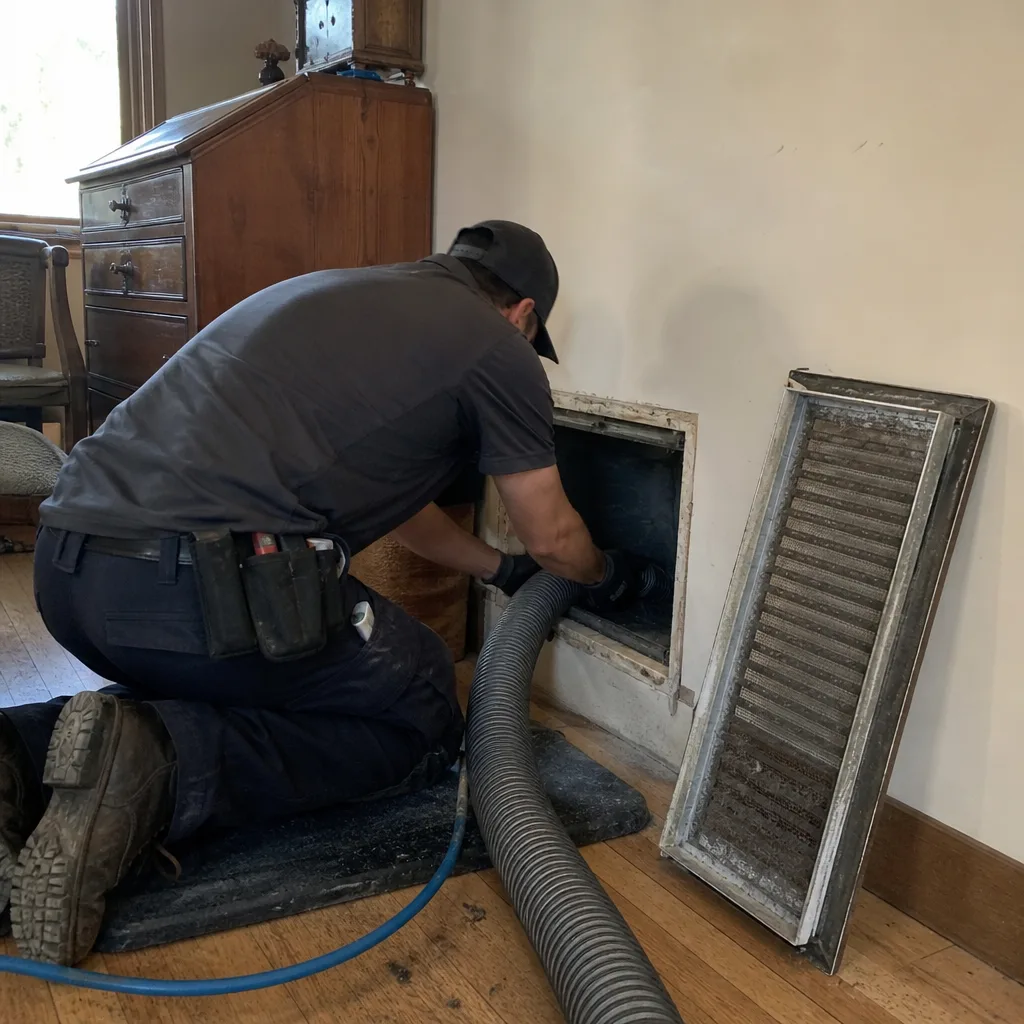 Before
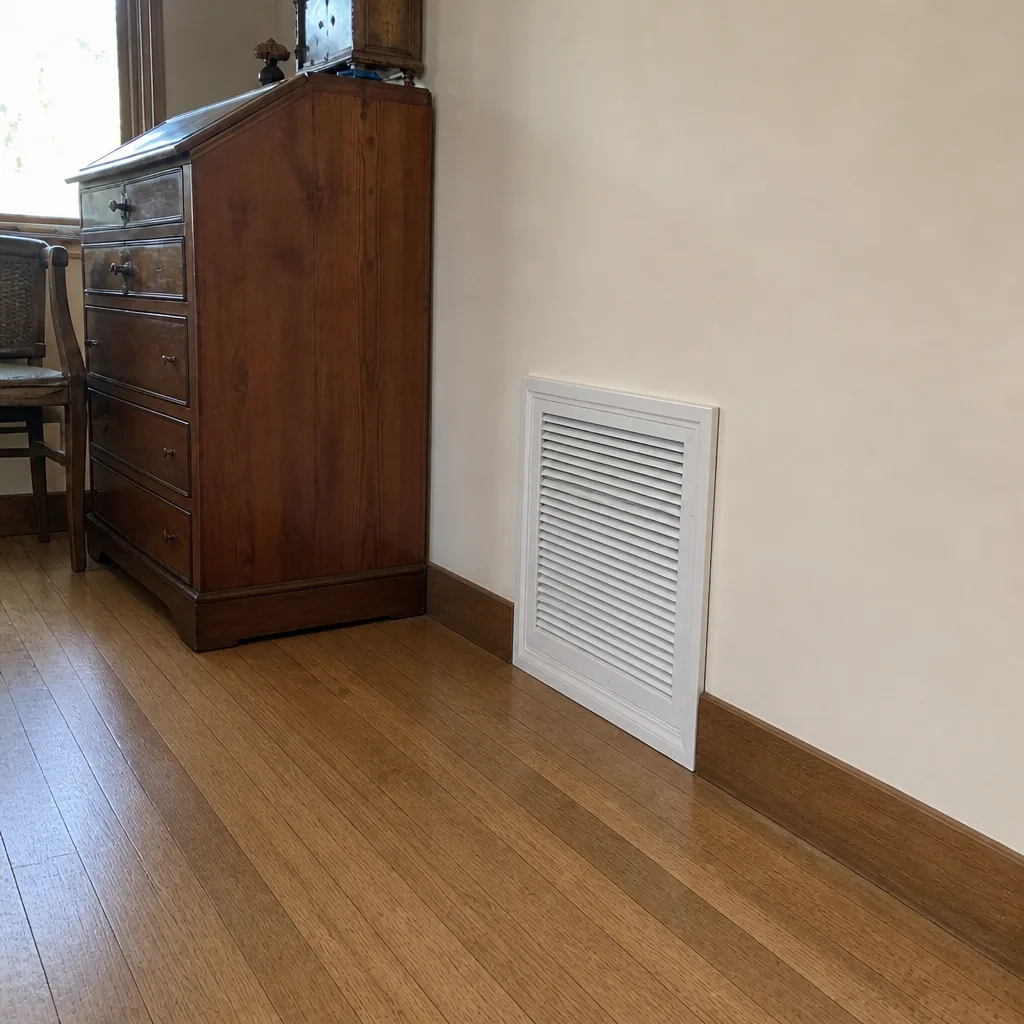 After
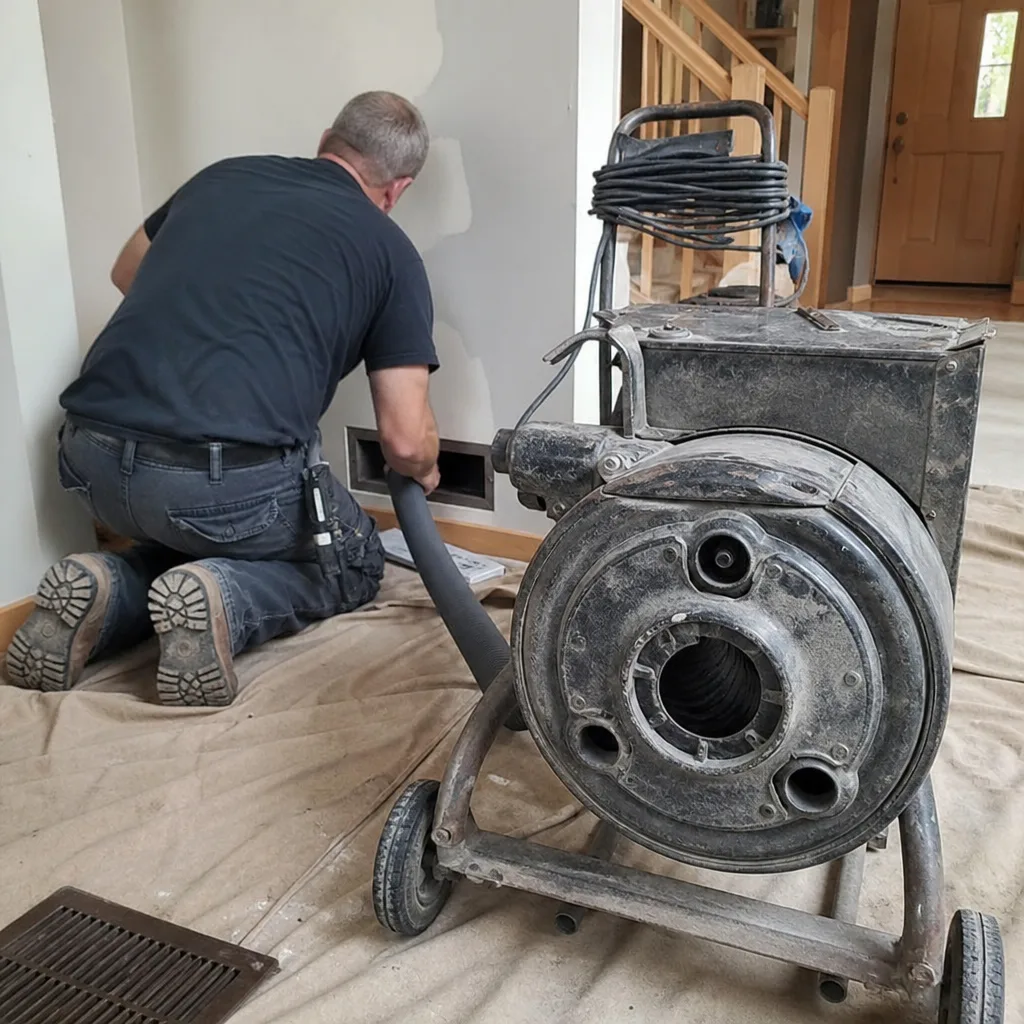 Before
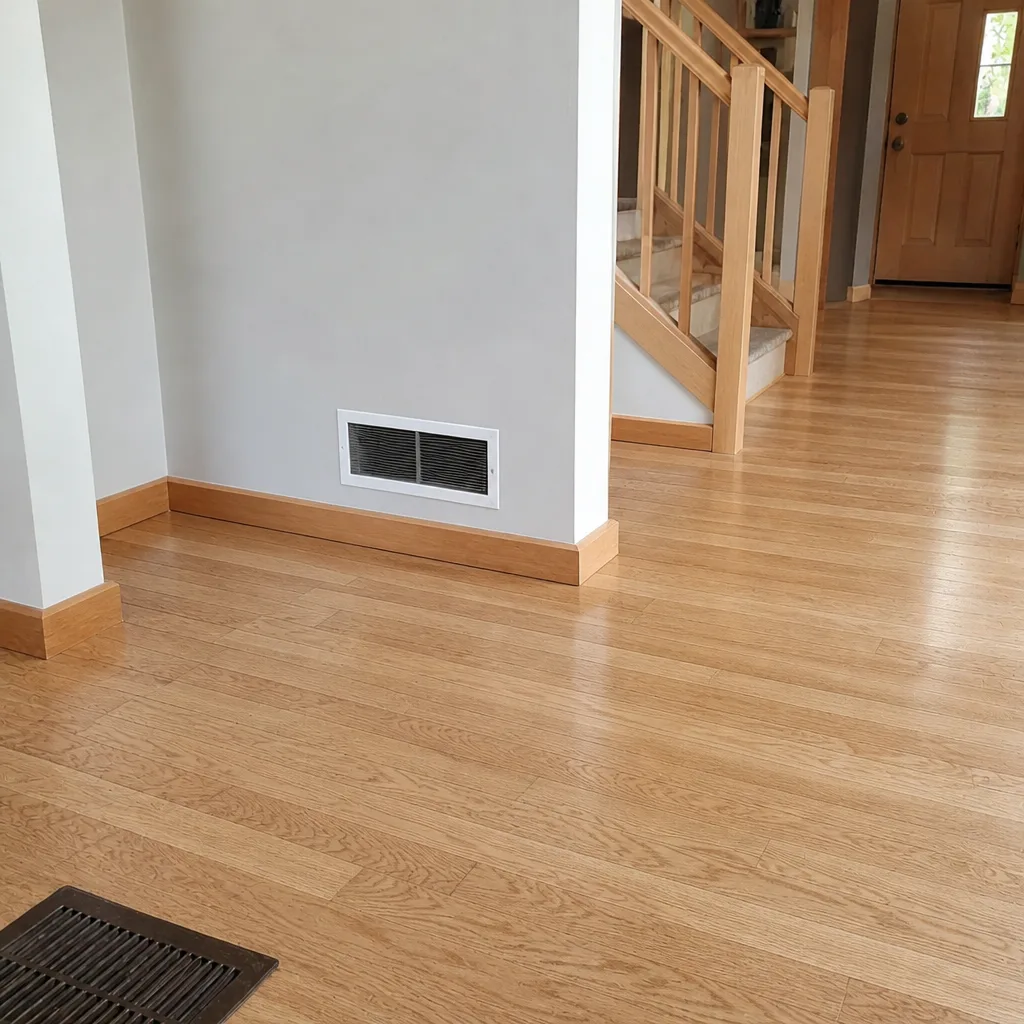 After
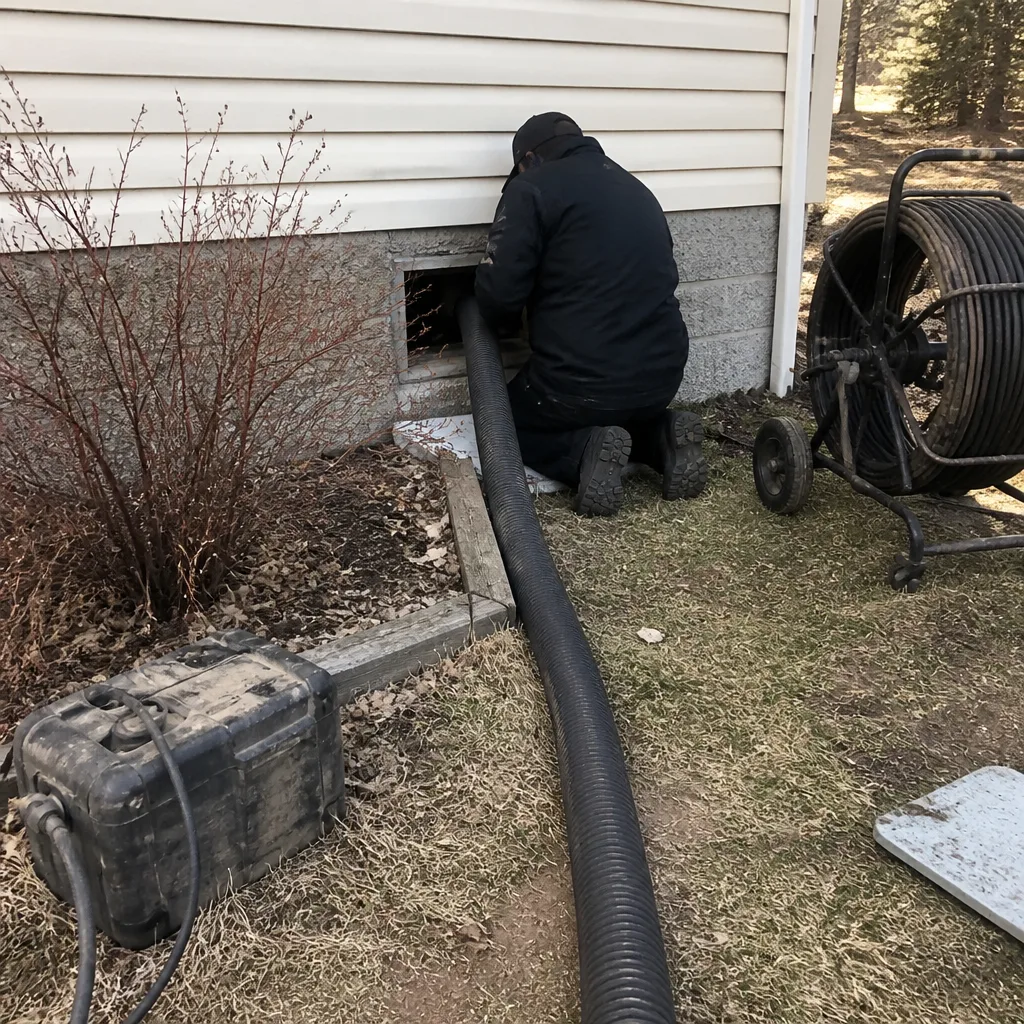 Before
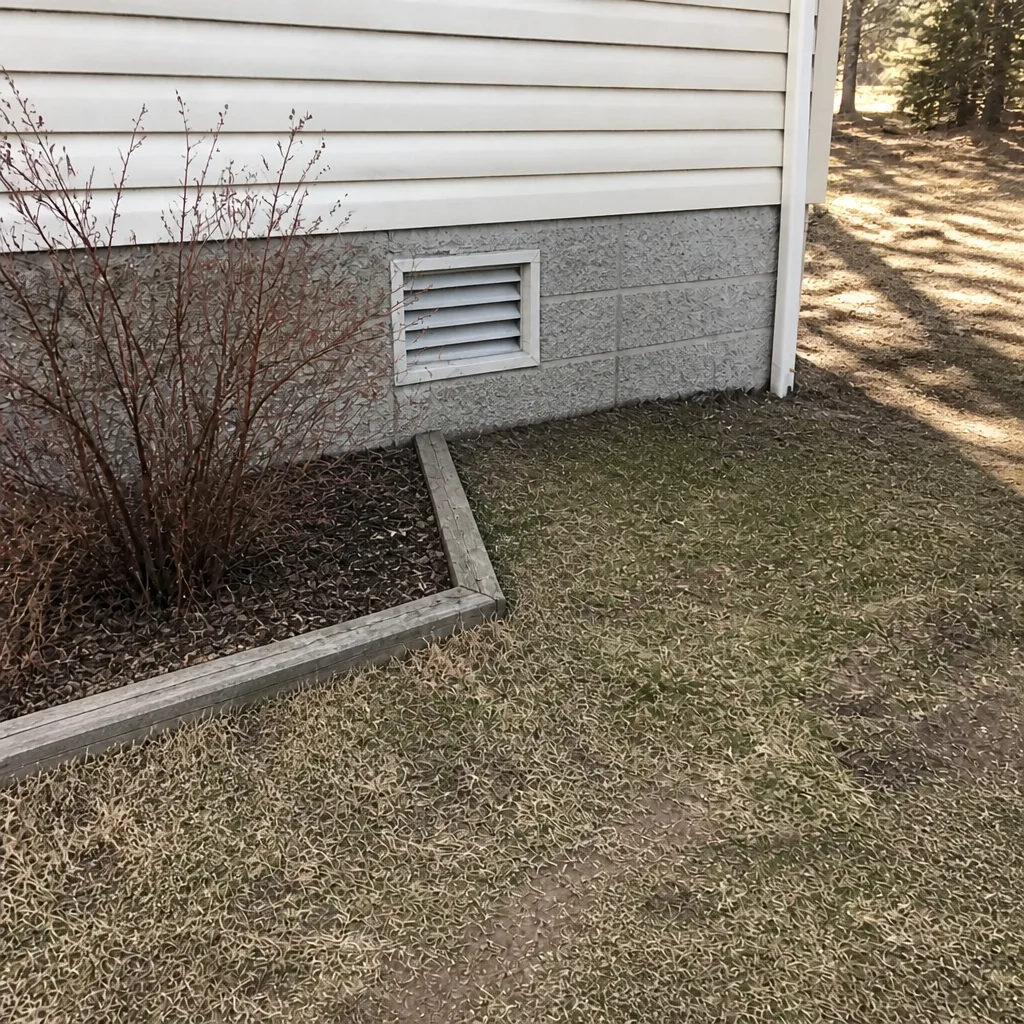 After
When to Call a Professional
Some duct conditions are worth a call even if you weren’t planning one. If you notice visible dust blowing out of registers when the system starts, persistent musty or dusty smells when the HVAC runs, or a visible buildup on register grilles, the ducts are overdue. If someone in the home has new respiratory sensitivities that seem tied to the HVAC system, that’s worth investigating. If you’re buying or selling a home in Highlands and the inspection report flags the ducts, call a contractor before close of escrow. If the dryer takes longer than it used to or the exterior vent flap doesn’t open fully when the dryer runs, treat that as urgent: dryer vent blockages are a fire risk. And if a recent remodel produced visible dust in the system, get the ducts cleaned before the HVAC starts moving that dust around. Air Duct Cleaning Highlands offers free estimates in Highlands. Call (855) 658-5079.
Frequently Asked Questions
Before-and-after photos of your duct interiors, taken with a camera inspection tool, are the strongest evidence. Ask the contractor to document the trunk line, the air handler area, and the sealed access panels, not just register grilles. If photos don’t cover the interior, ask why before final payment.
Ask for the CFM rating of the vacuum unit, the agitation tools used inside the ducts, and the containment or air filtration equipment used during cleaning. A serious contractor answers all three without hesitation. Professional systems from Rotobrush and Nikro are standard for duct cleaning, and Abatement Technologies filtration equipment is typical of restoration-grade work.
NADCA membership is a useful baseline, but it’s not sufficient on its own. Ask whether the technicians doing the work hold ASCS or CVI certifications, and ask which technicians will be in your home. Certification is held by individuals, not just companies, and the tests cover duct system function, cleaning methods, and inspection.
After pollen season is generally better in Highlands, because the system pulls in spring pollen while windows are open and settles it in the return ducts. Cleaning after the pollen load has passed gets more of the material out. There’s no single right answer, though; a duct cleaner should be able to inspect the system and tell you what’s actually in it.
Pricing depends on the size and configuration of the system, the number of runs, and whether repair, sealing, or sanitizing are part of the scope. Whole-system pricing is more reliable than per-vent pricing for the reason in the red flags section: per-vent pricing rewards speed. Ask for a written, flat, whole-system quote and compare scope line by line. Call (855) 658-5079 for a free estimate.
Cheap quotes usually reflect a smaller scope: no agitation tools, no access holes, no containment, no sealing, and no documentation. The price looks lower because the job is smaller, and the ducts may look the same afterward as they did before. Ask what’s in the quote line by line. Call (855) 658-5079 for a free estimate and a written scope.
Dedicated dryer vent cleaning is a separate service from duct cleaning, and it’s worth asking about explicitly. Dryer vents are a leading cause of residential fires and most duct cleaners skip or underperform this work. Ask whether the contractor inspects the full vent path from the dryer to the exterior termination. Call (855) 658-5079 for a free estimate.
They should be repaired and sealed in the same visit. Leaky or disconnected ducts undermine the cleaning, since the system pulls air from unconditioned space afterward. Ask the contractor in advance whether repair and sealing are part of the standard scope or quoted separately. Call (855) 658-5079 to discuss the system in your home.
The Bottom Line
The best protection you have when hiring a duct cleaning contractor in Highlands is knowing what questions to ask before booking: equipment (CFM, agitation, containment), credentials (NADCA as a baseline, ASCS and CVI as a step up), and scope (access holes, sealing, repair, documentation). Cheap quotes usually mean a smaller job, not a better deal. Get the scope in writing. Ask for interior before-and-after photos, not just cleaned registers. Confirm how damage gets repaired and how access holes get sealed. And don’t overlook the dryer vent, which is a fire safety issue on its own. None of these questions should feel adversarial to a professional. They’re the difference between hiring a contractor and hoping one shows up.
If you want help applying this guide to your system, we can walk through the equipment we use, the training our technicians have (up to 13 years of experience), and what the scope for your home would look like. Call (855) 658-5079. We answer 24/7. Fast dispatch from 7am to 7pm, Sunday through Friday. The estimate is free and the price is set per job by the written estimate.
Written by the team at Air Duct Cleaning Highlands.